
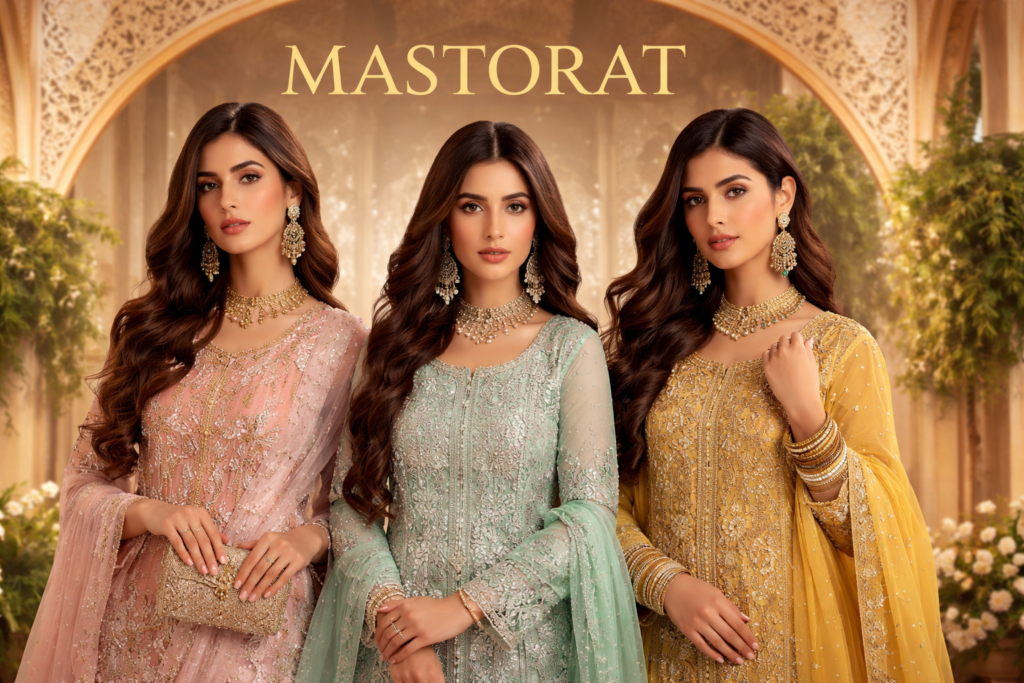
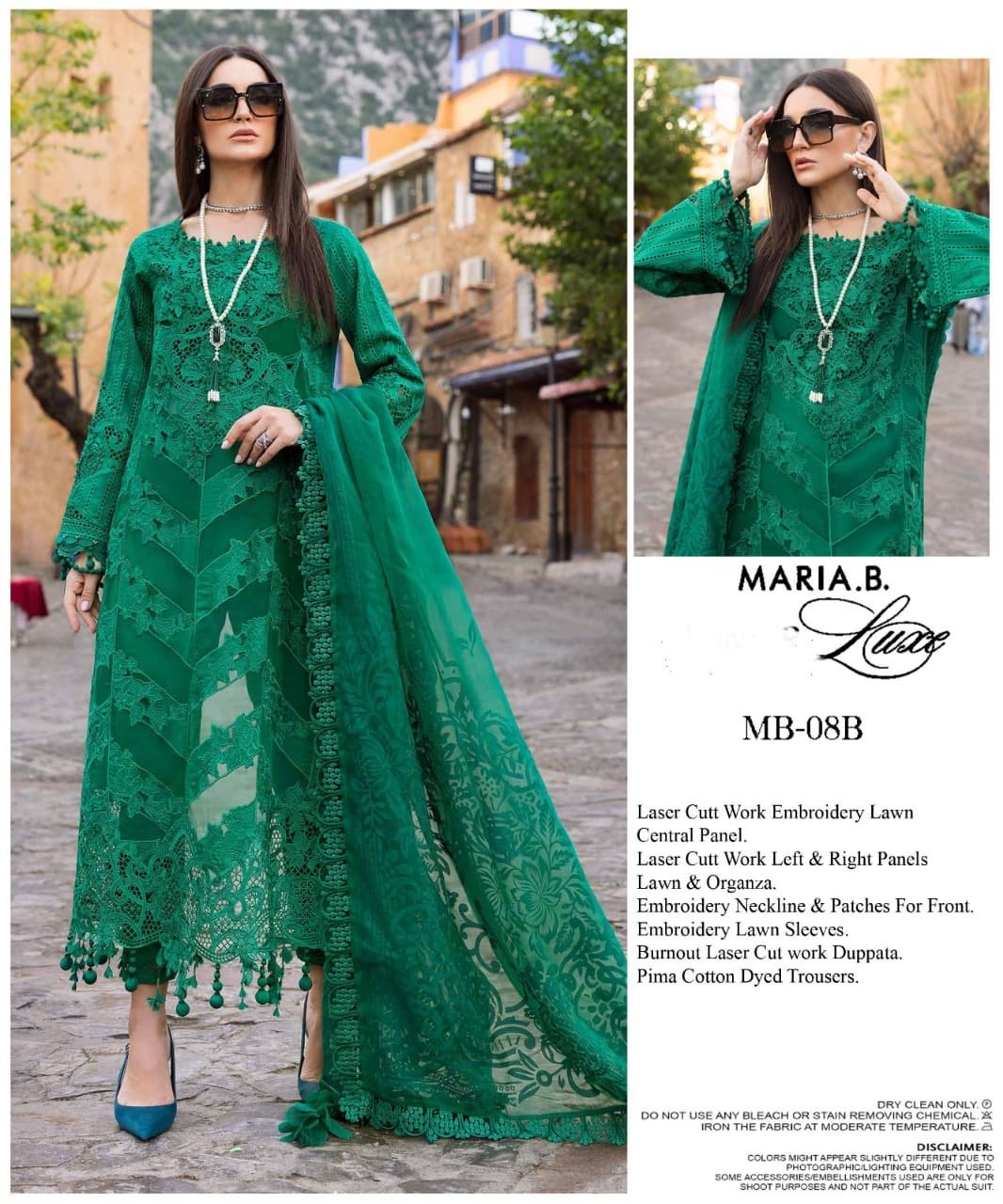
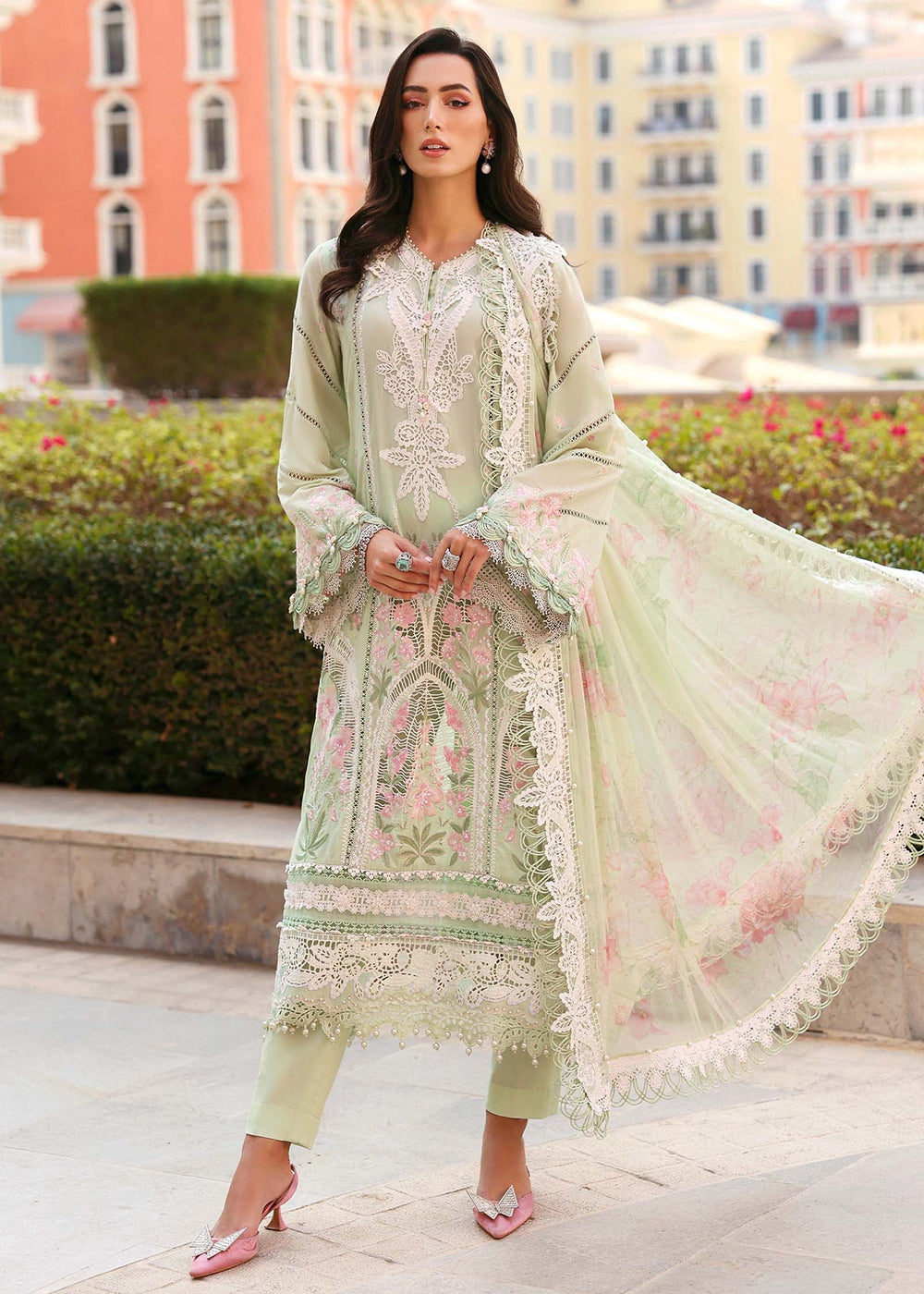
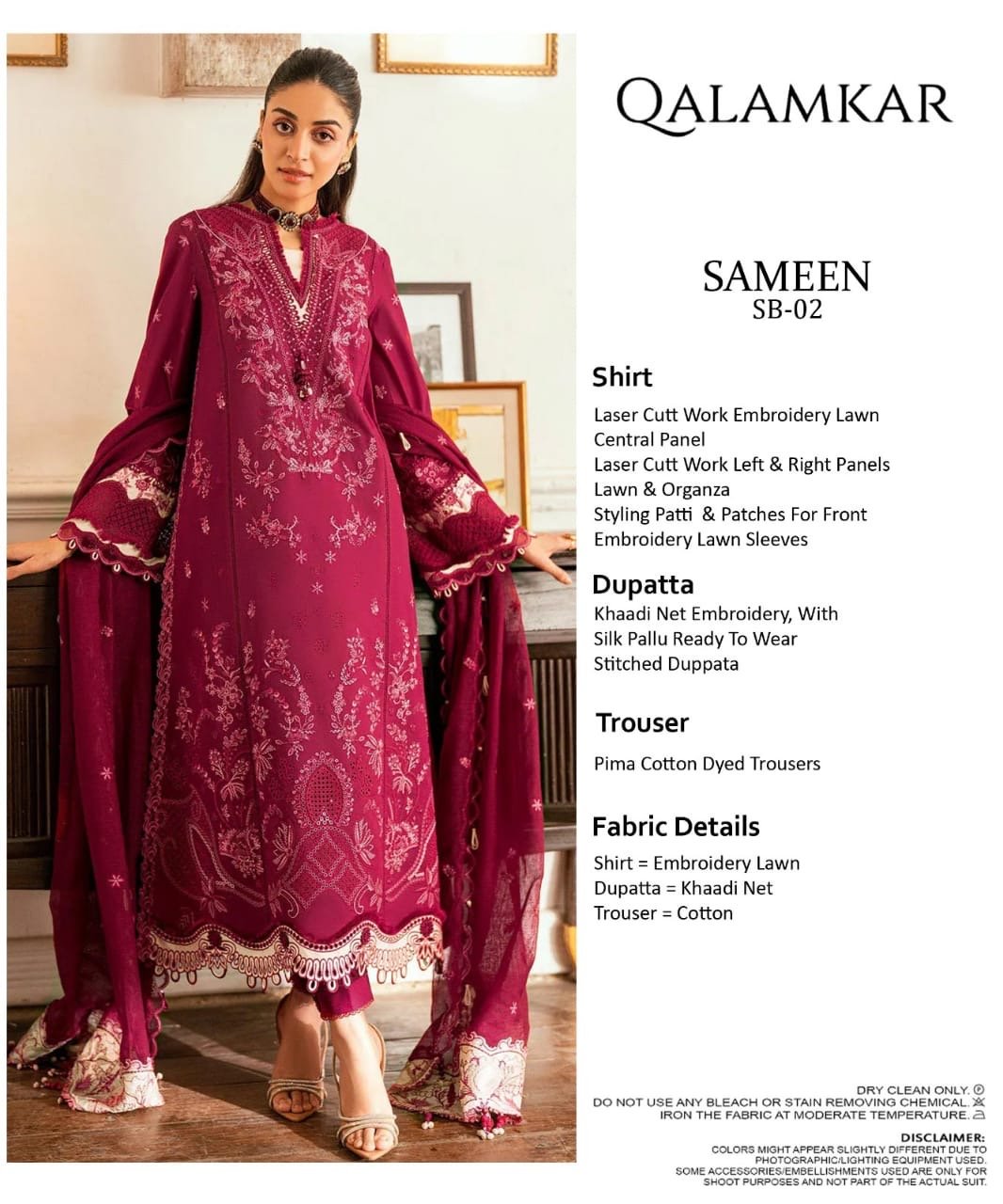
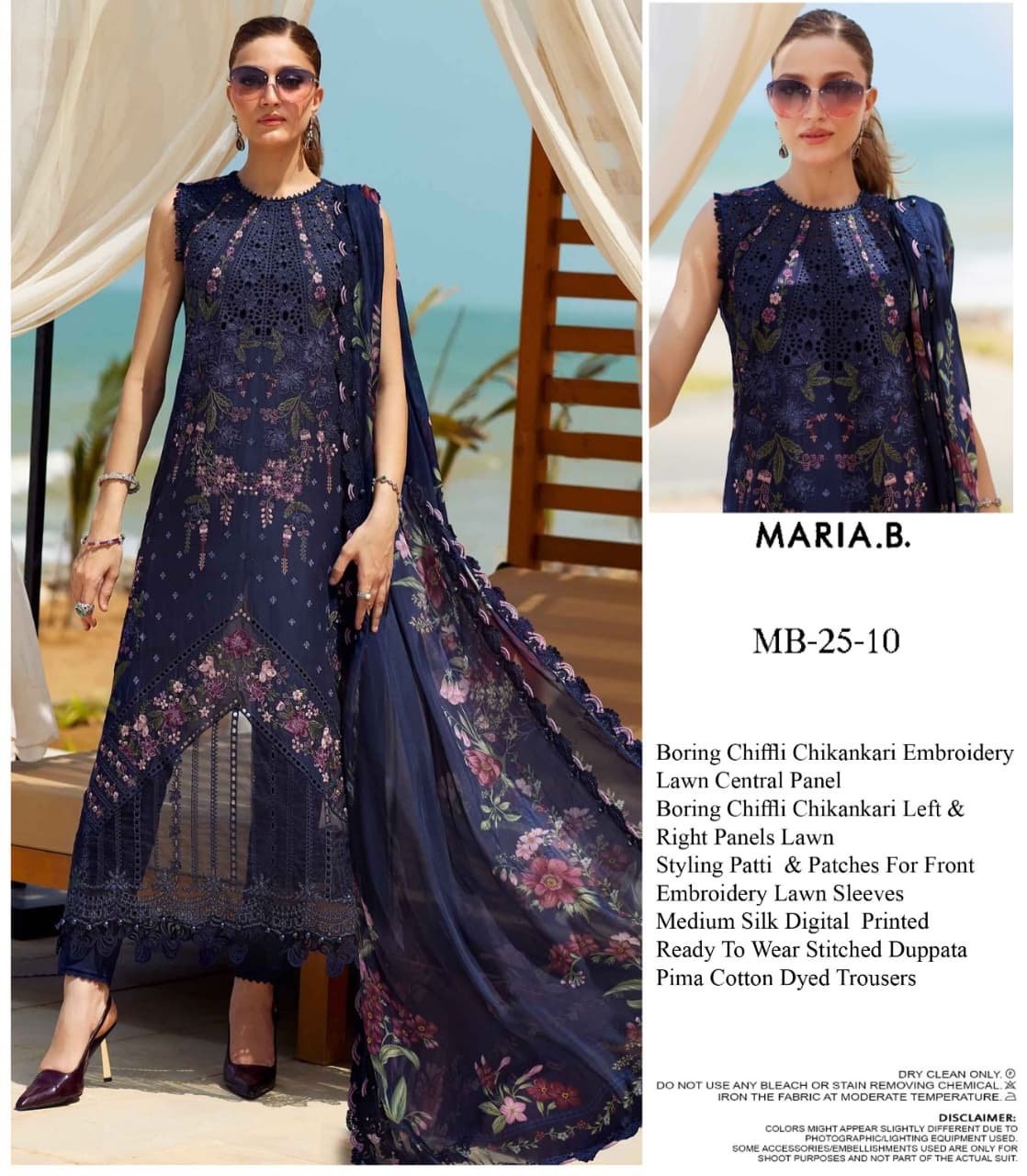
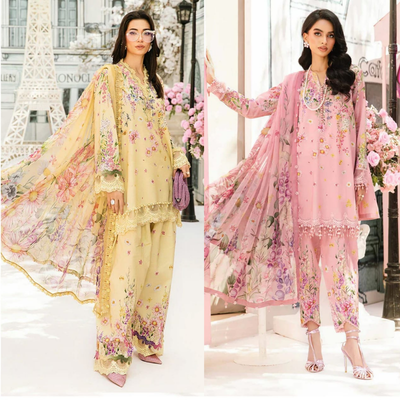
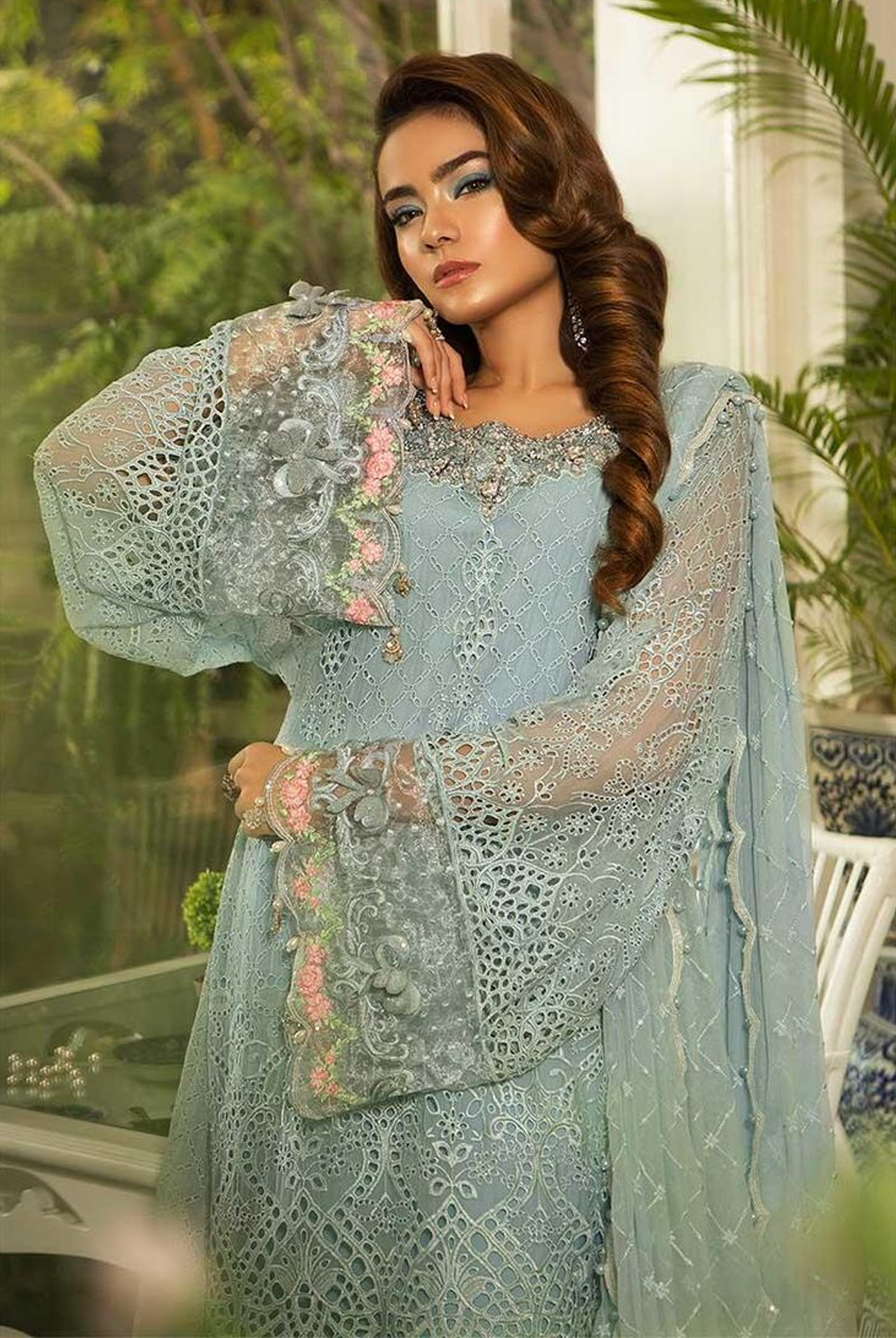
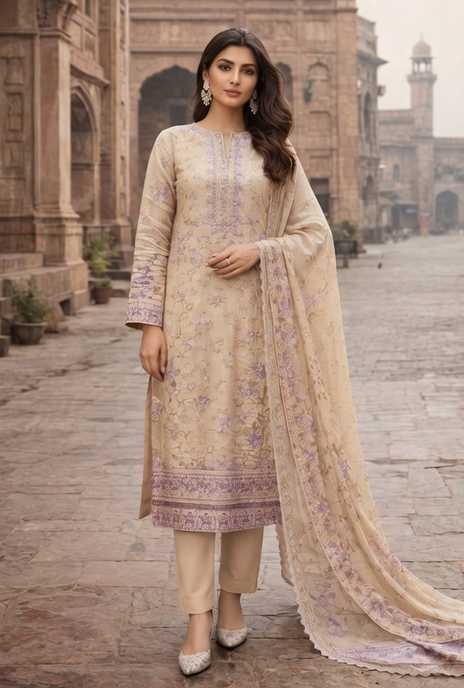
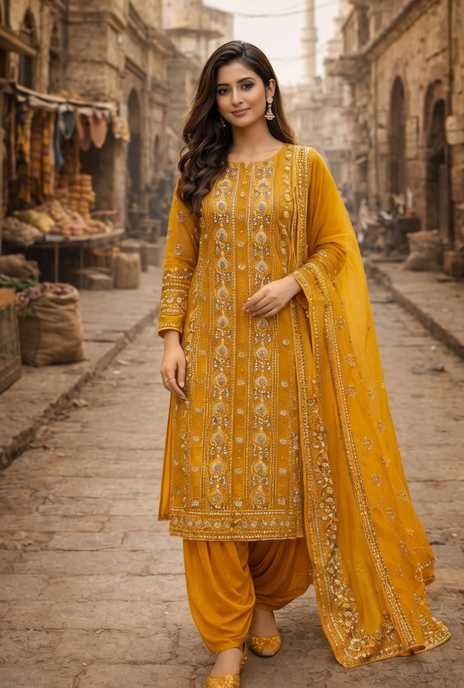
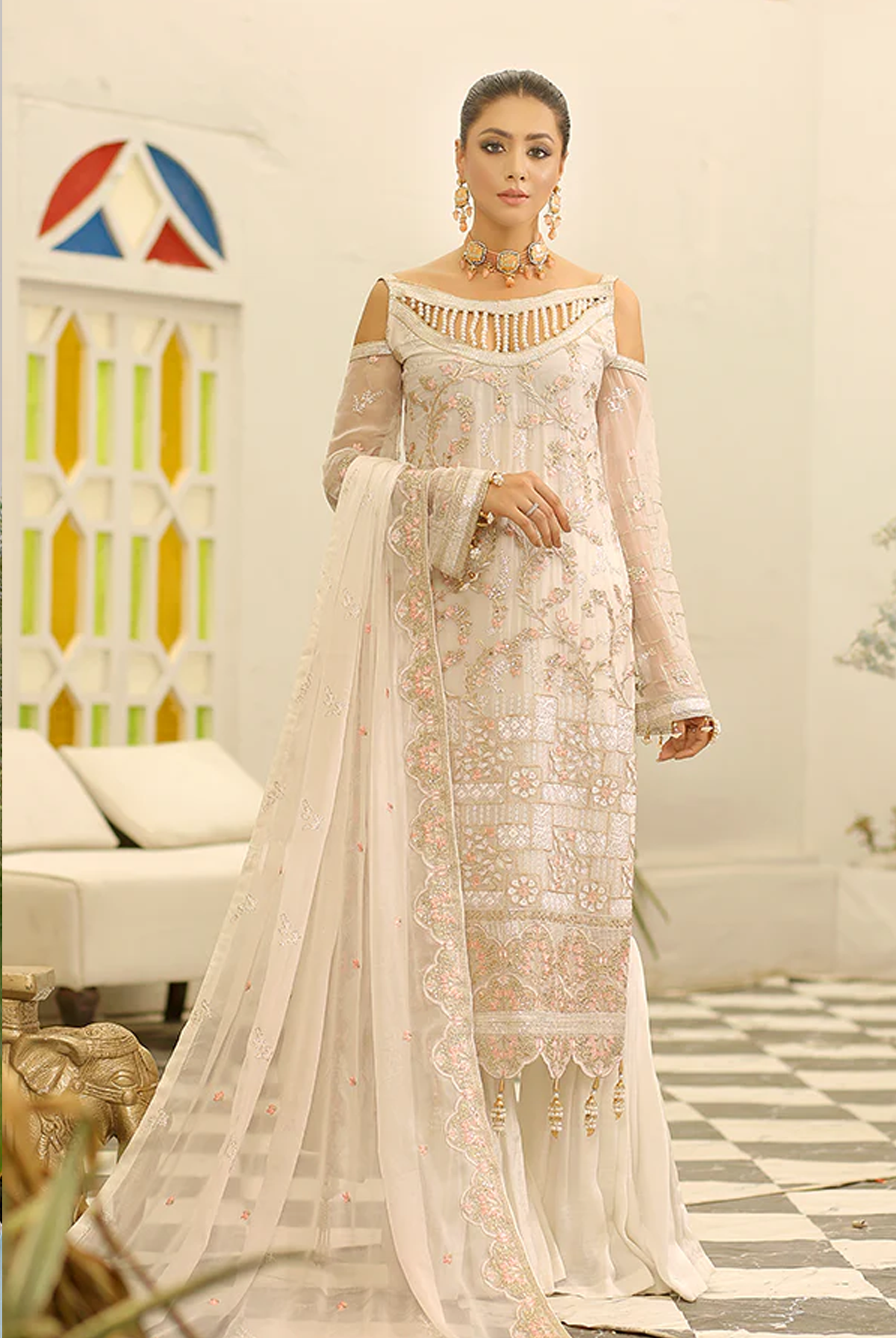
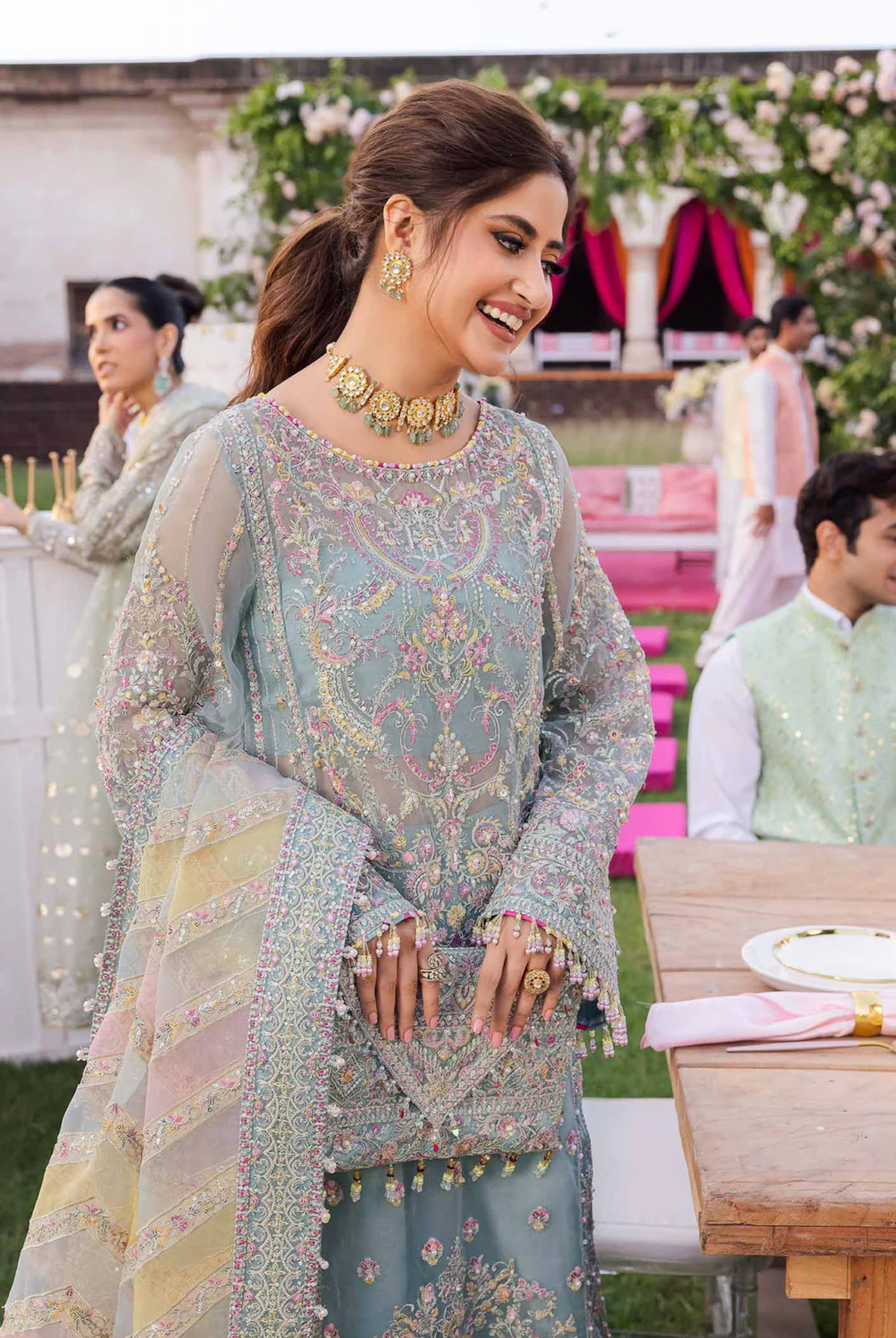
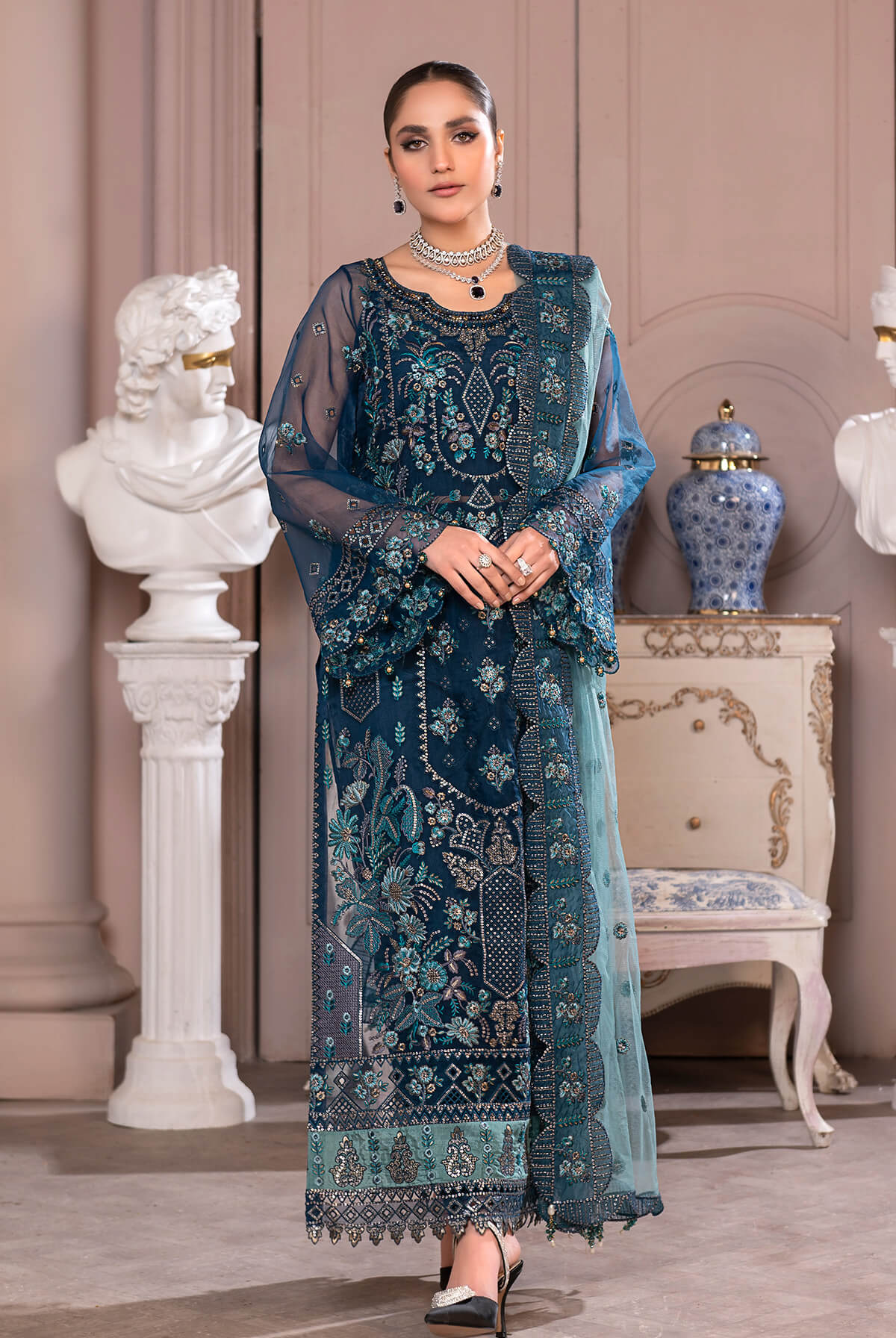
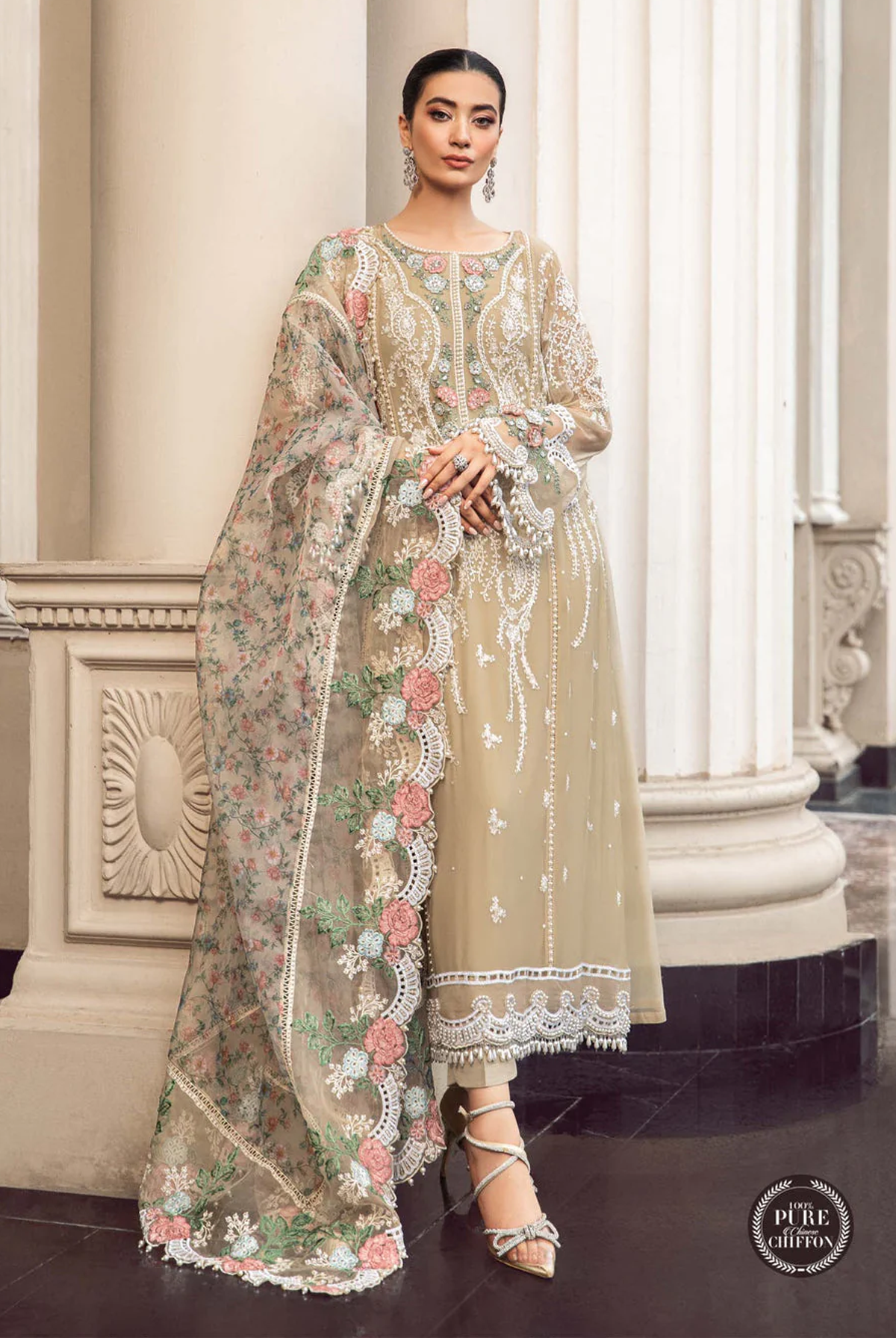
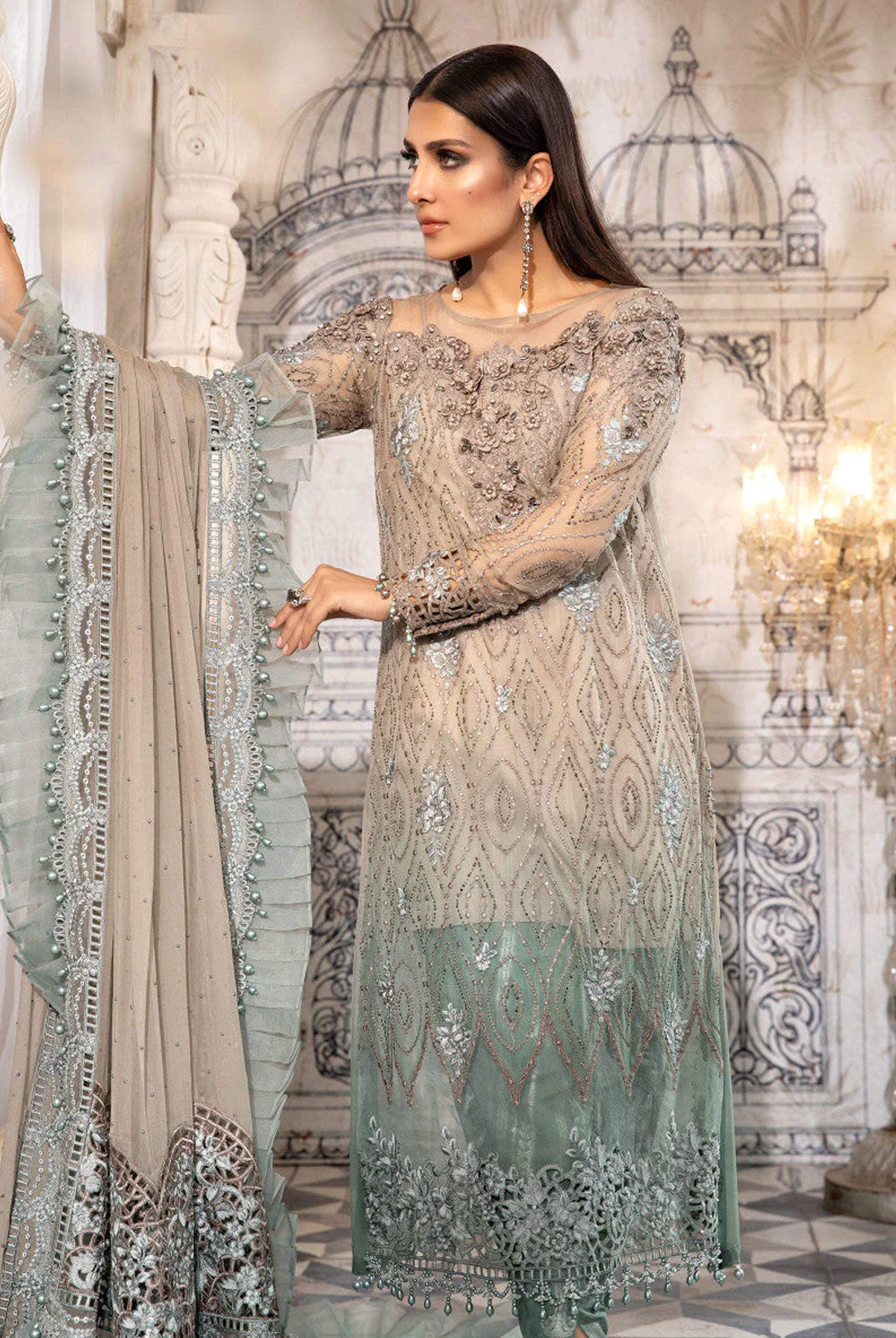
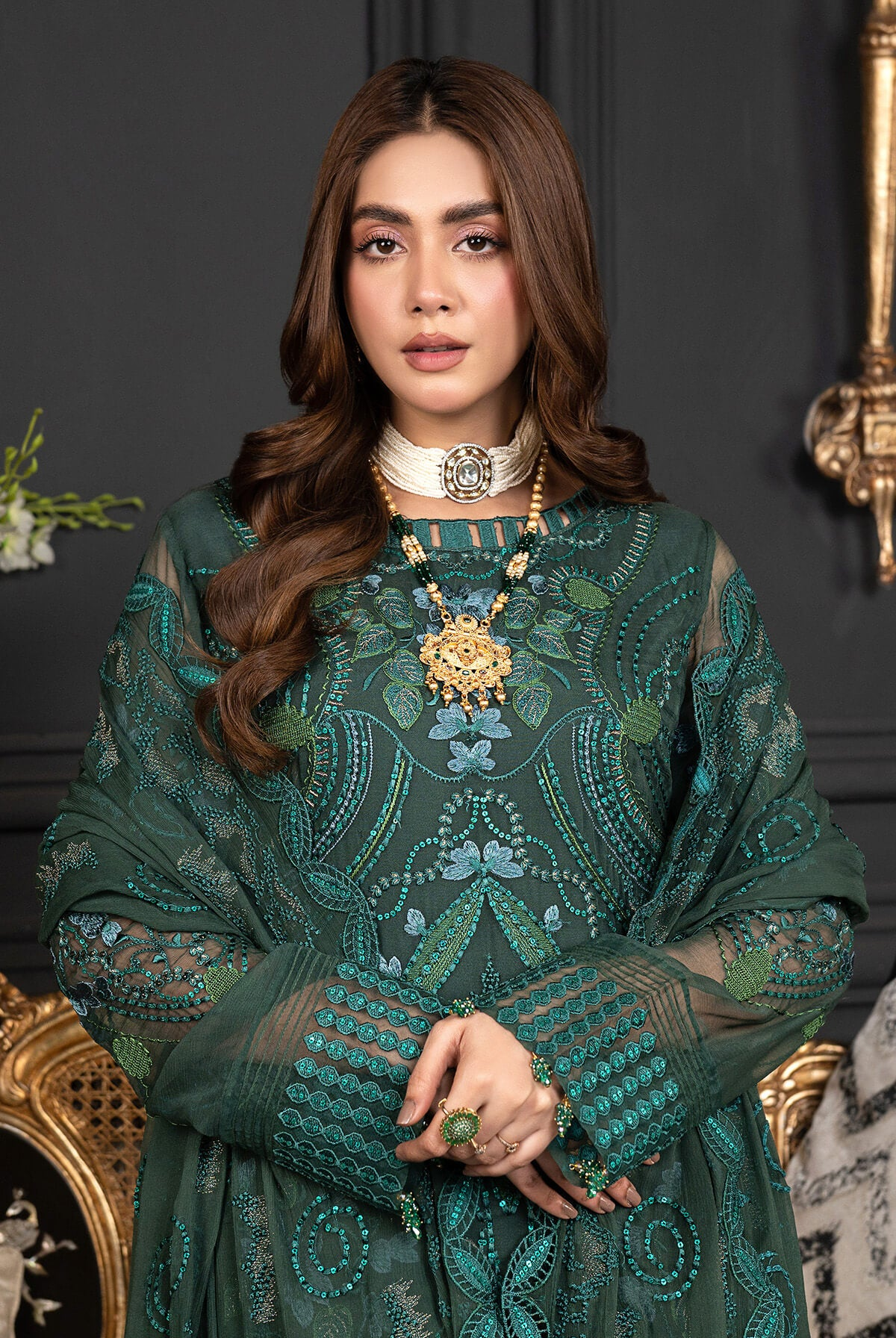
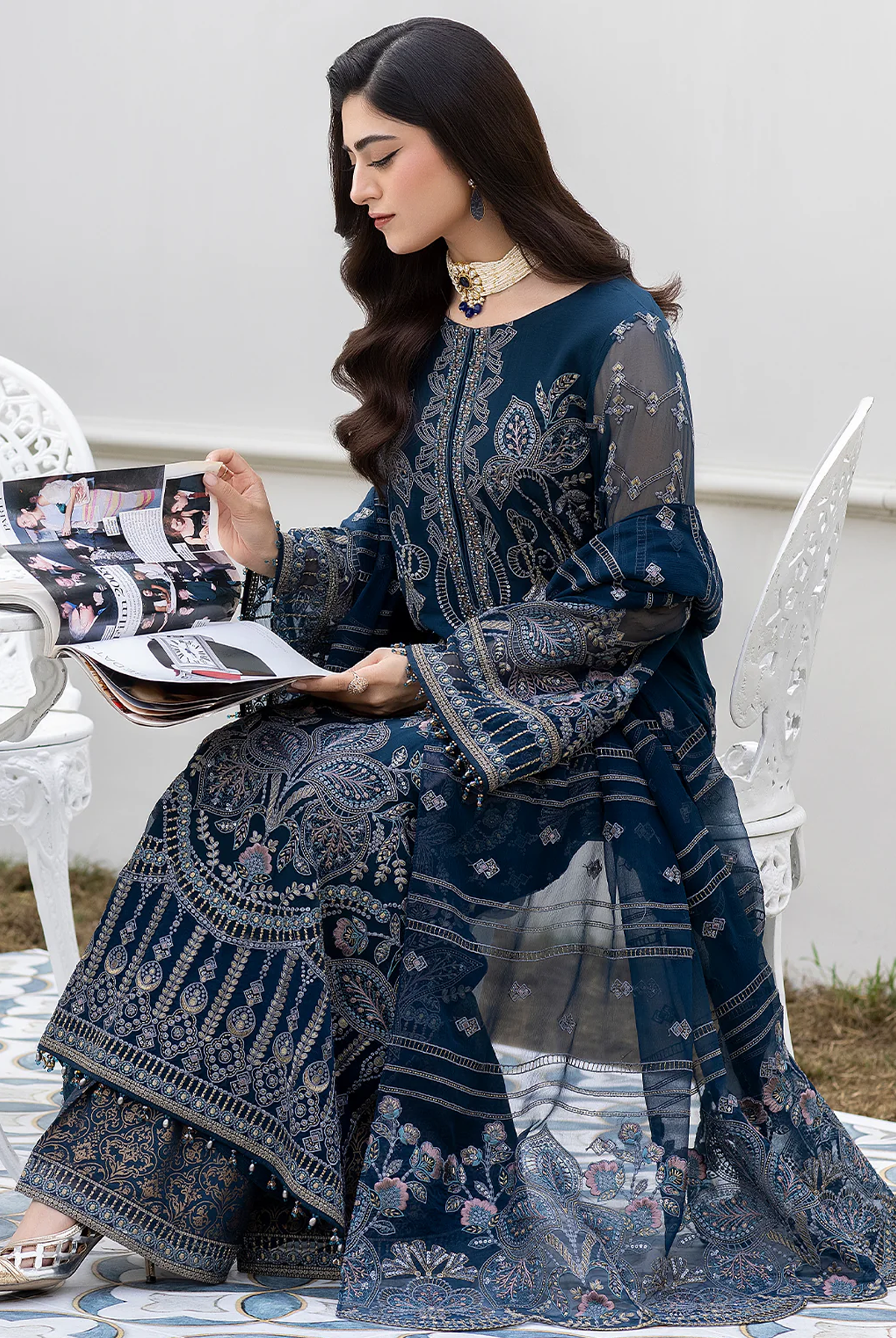
Over the past decade, the Pakistani clothing business has experienced remarkable global growth. What was once a regionally appreciated fashion segment has now evolved into a powerful international industry supplying Pakistani dresses worldwide. From traditional handcrafted garments to modern fusion wear, Pakistan has become a hub for high-quality, affordable, and trend-driven fashion.
The global appeal of Pakistani fashion lies in its diversity. Designers and manufacturers produce a wide range of clothing styles, including:
- Traditional salwar kameez wholesale collections
- Luxury bridal wear with intricate embroidery
- Casual lawn and cotton suits for everyday wear
- Formal chiffon and silk outfits
- Men’s shalwar kameez and eastern formalwear
Pakistan’s textile sector is one of the largest in Asia, contributing significantly to exports. Cities like Lahore, Karachi, and Faisalabad are major production centers, offering everything from small boutique production to large-scale manufacturing.
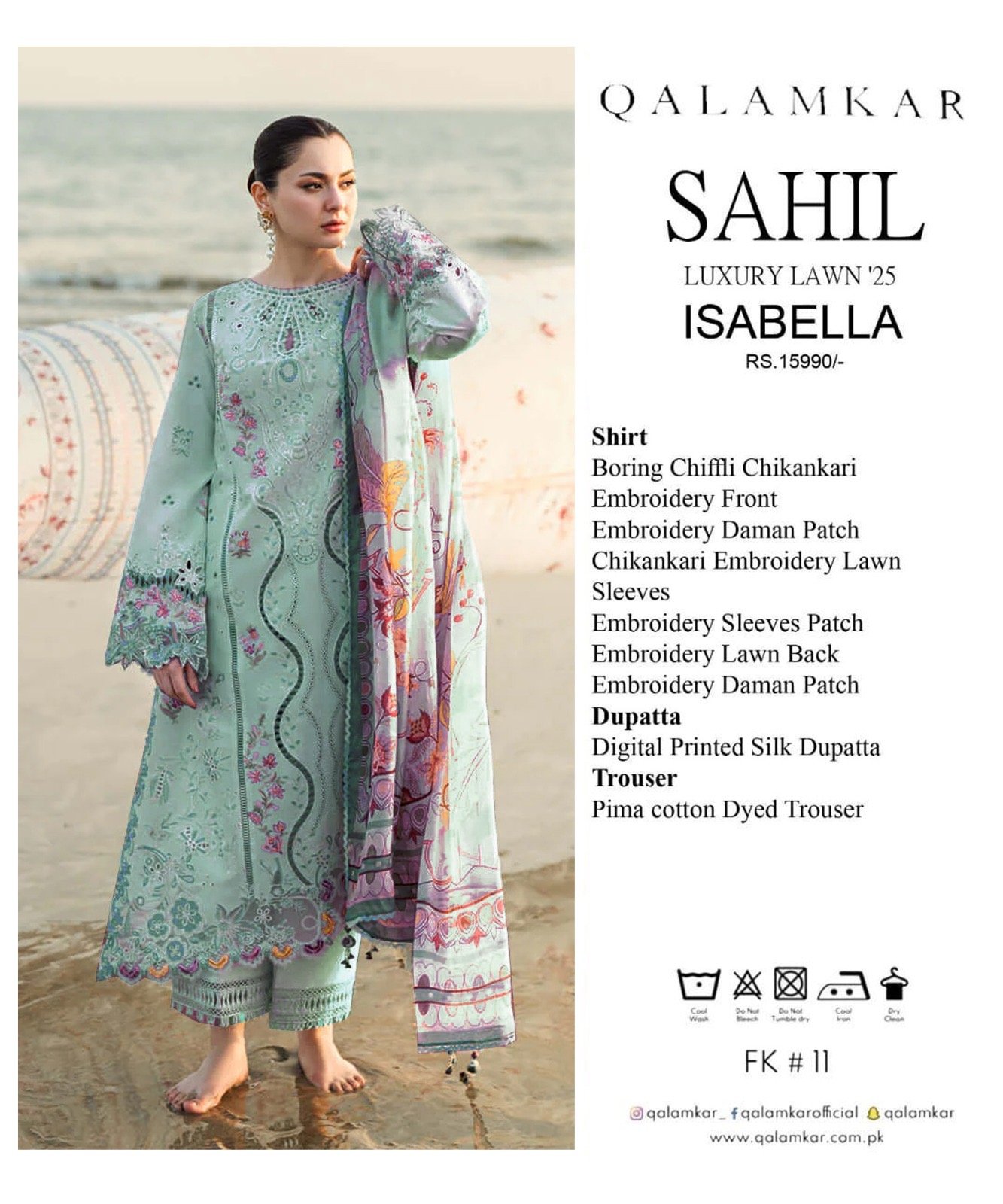
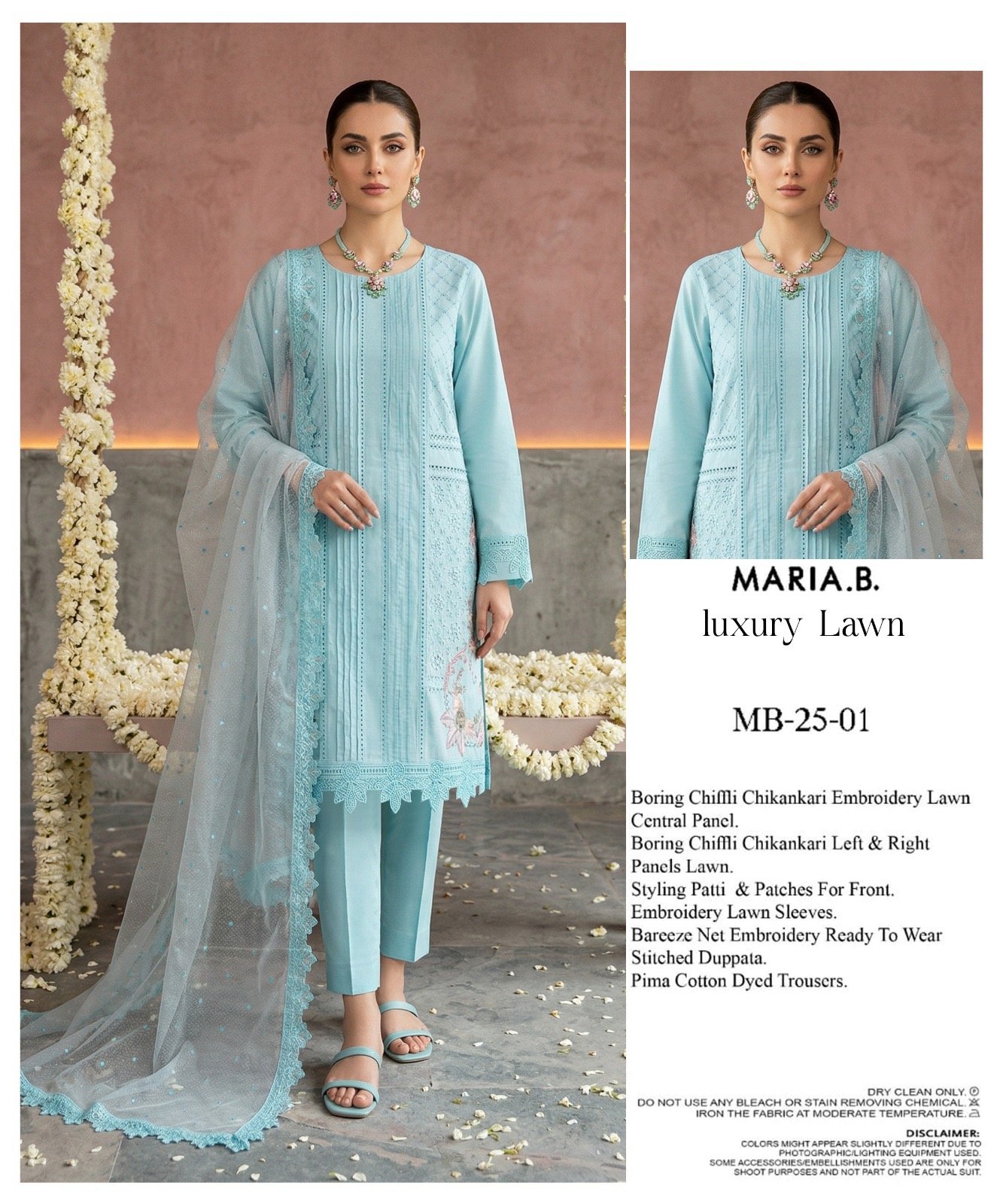
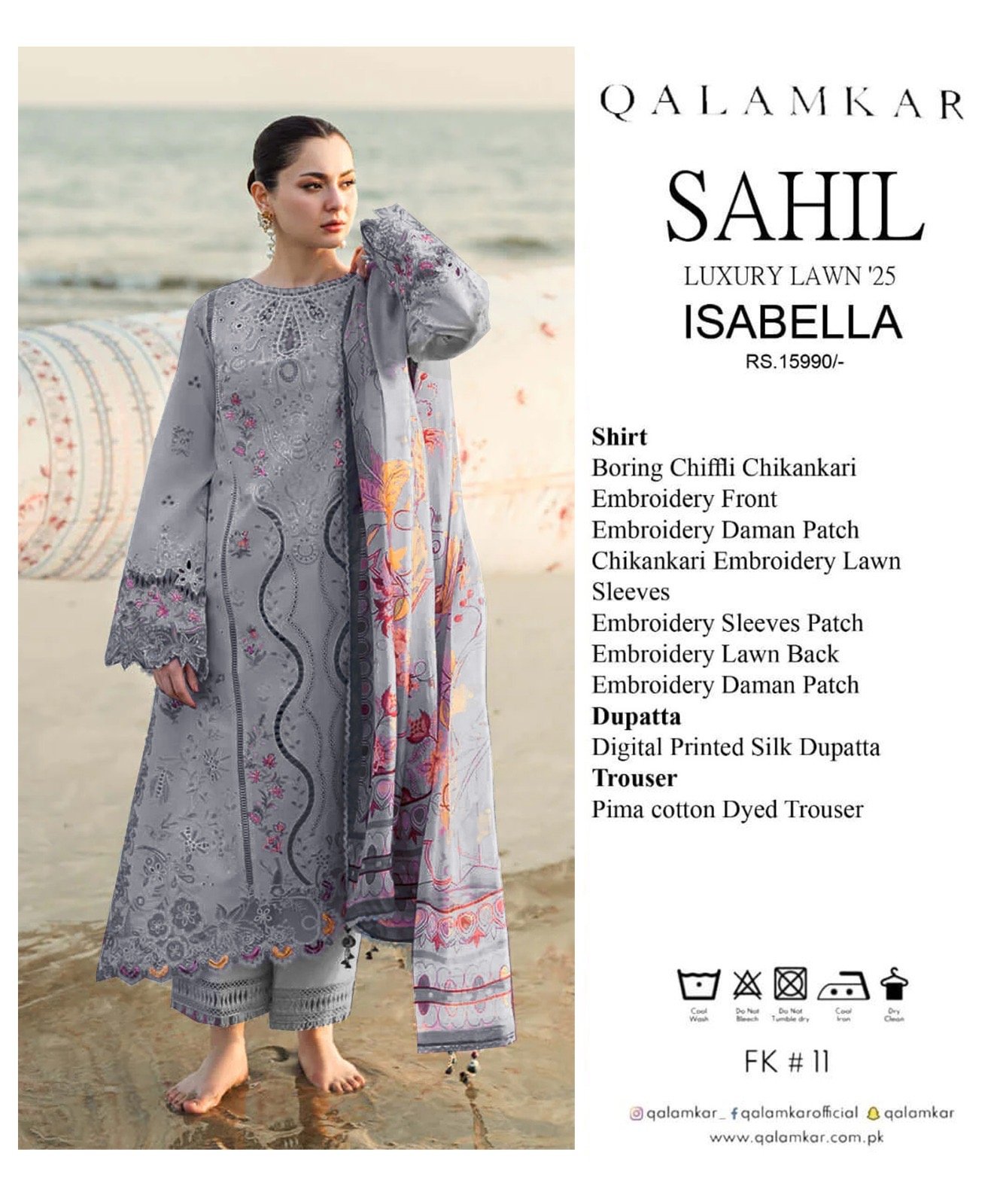
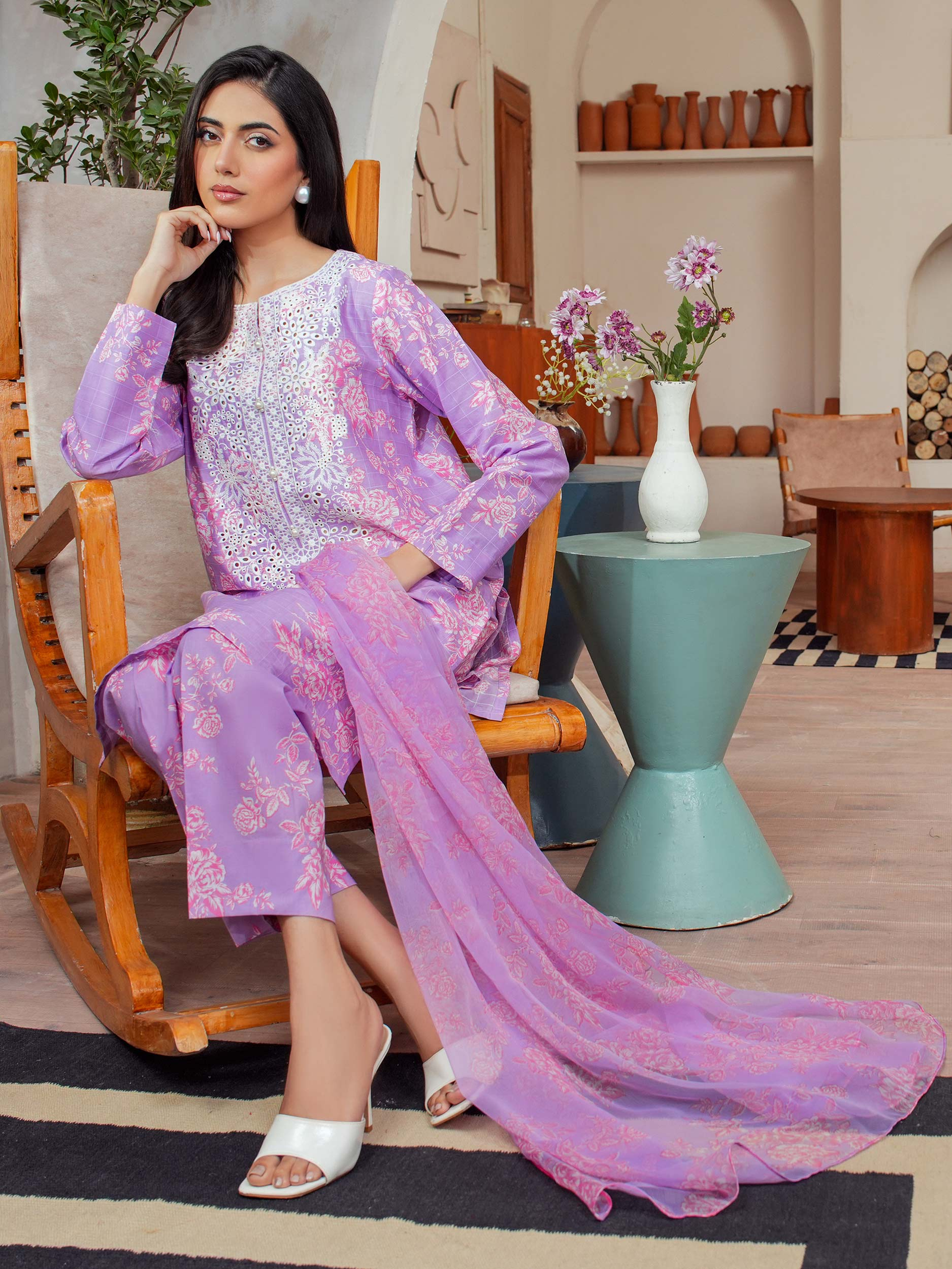
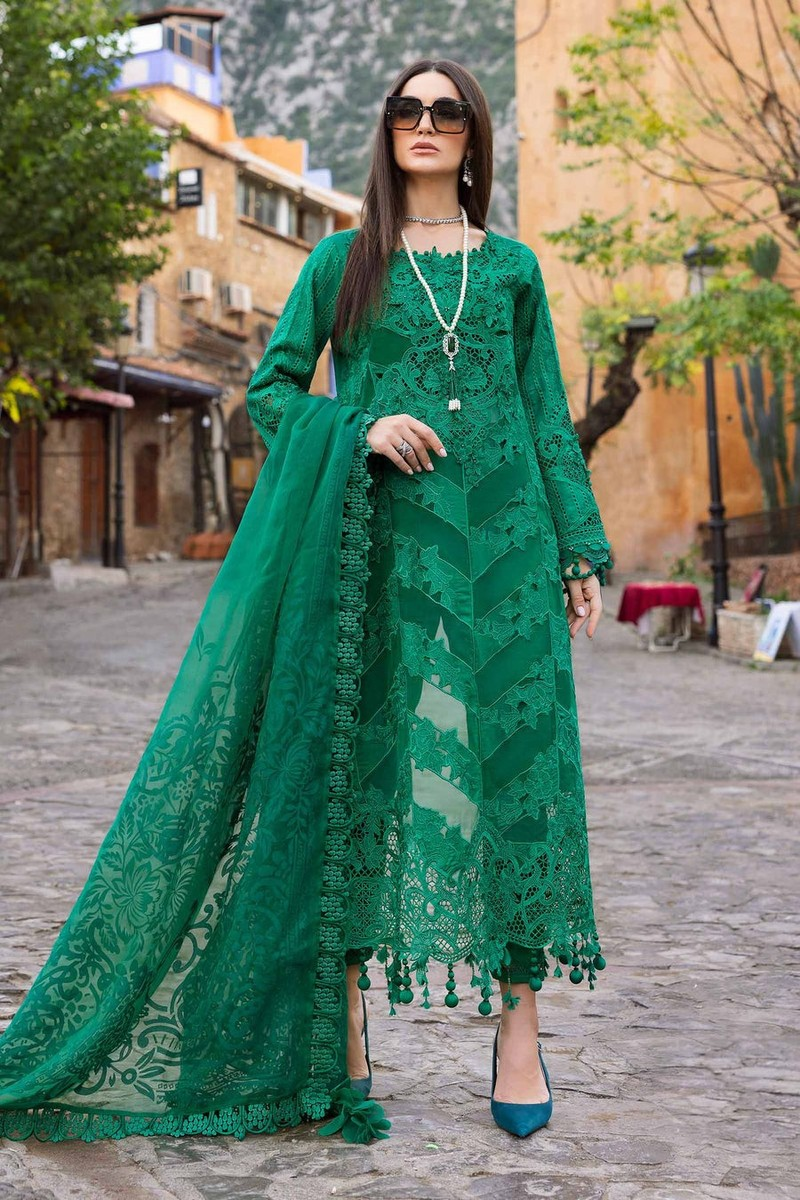
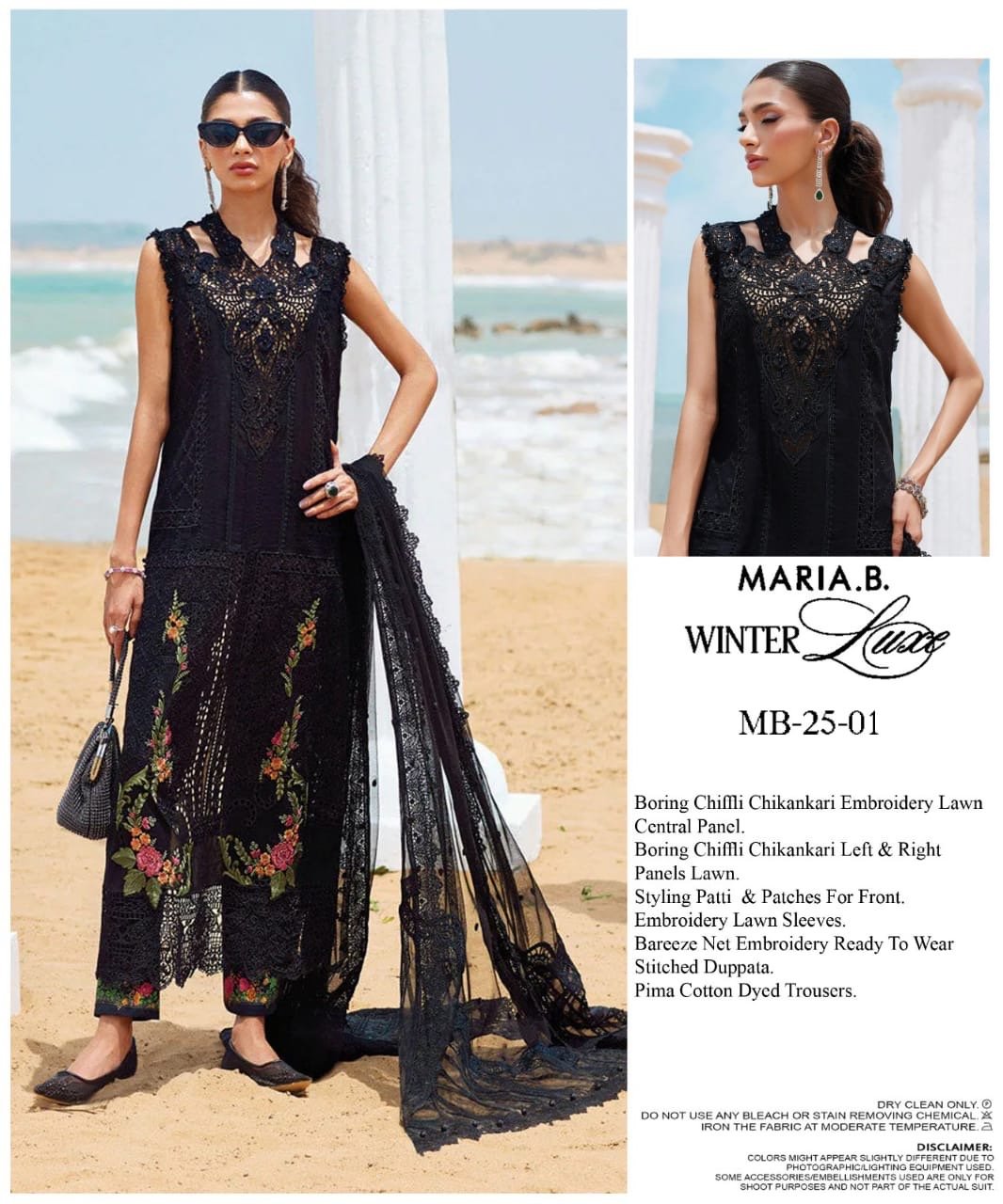
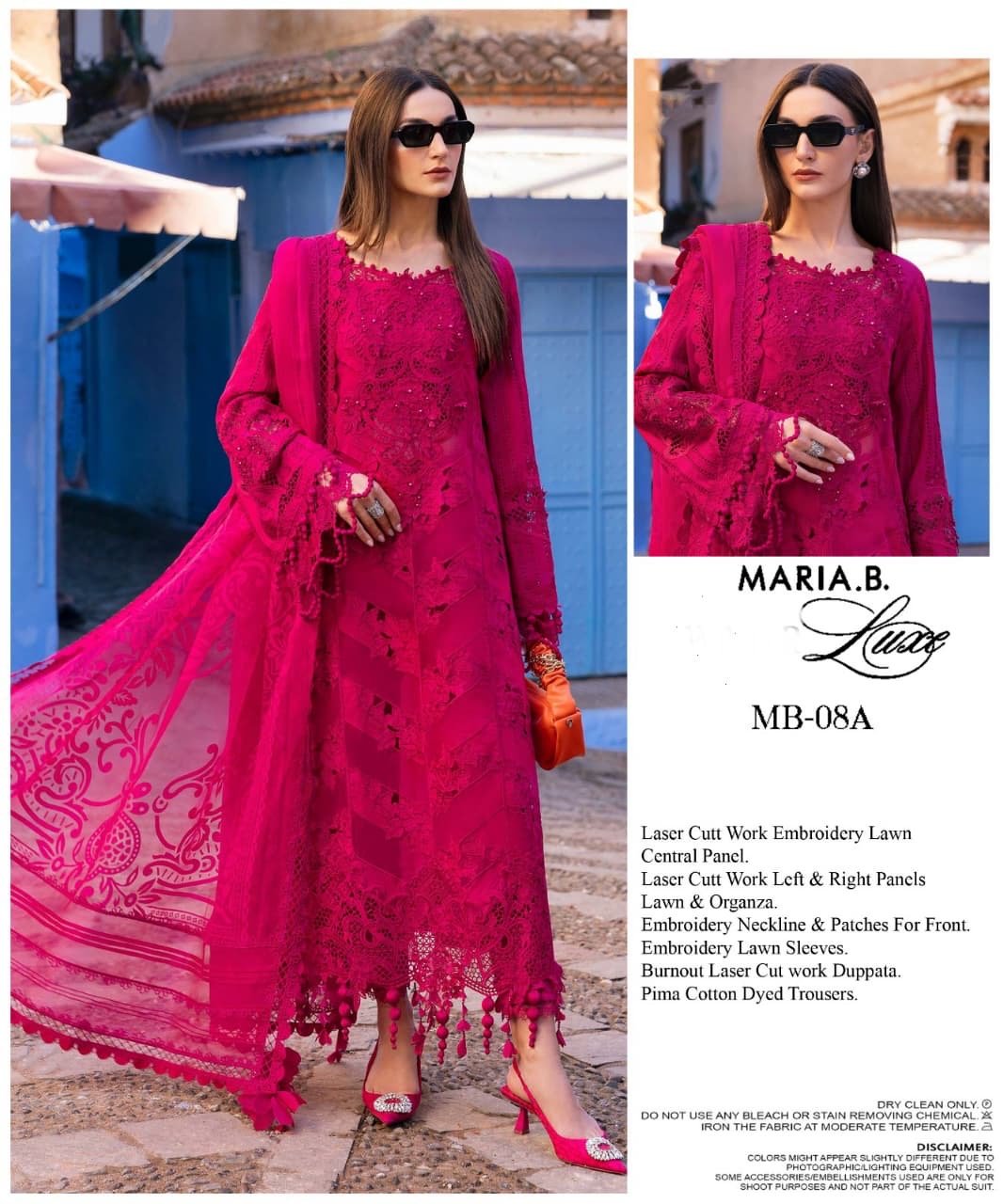
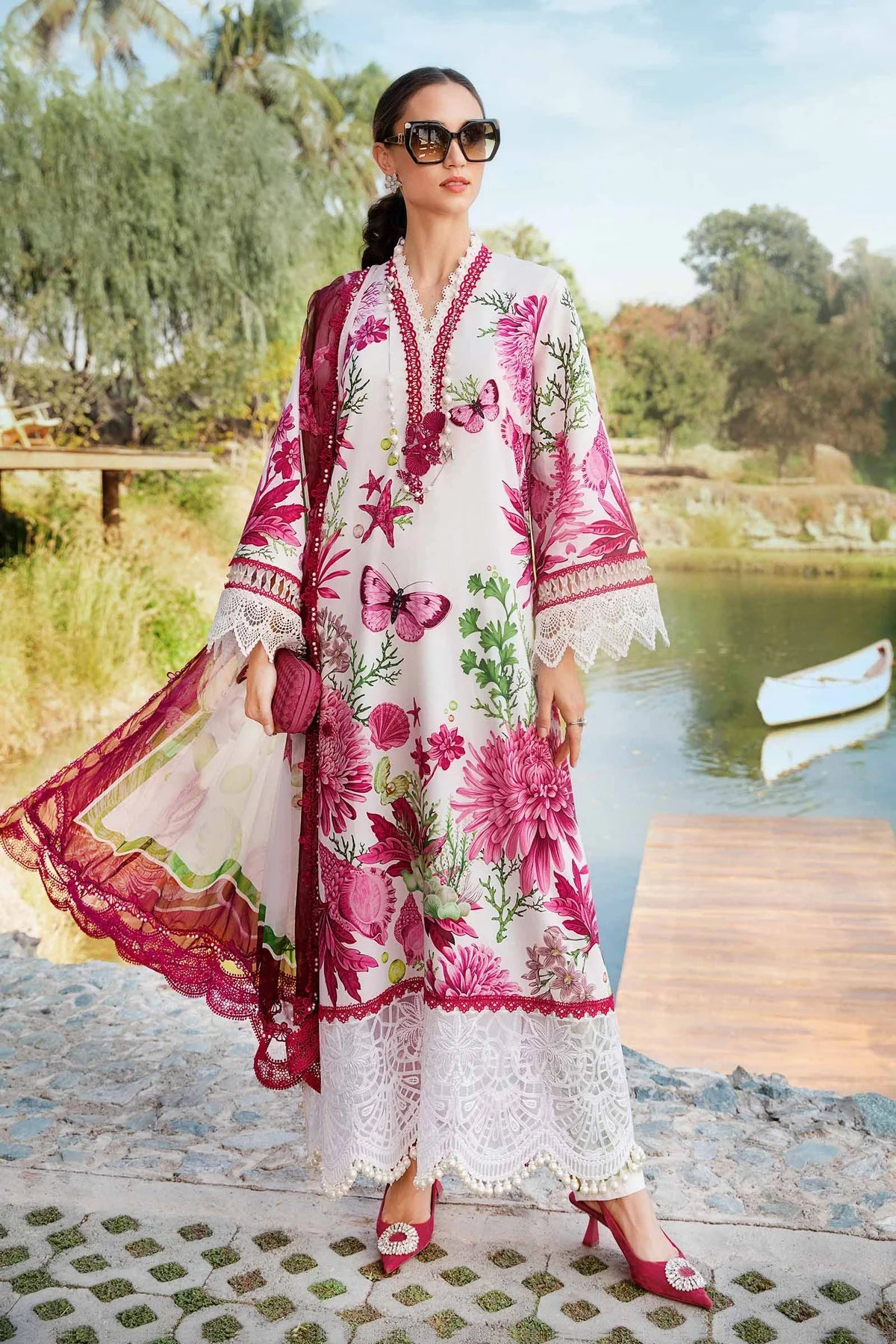
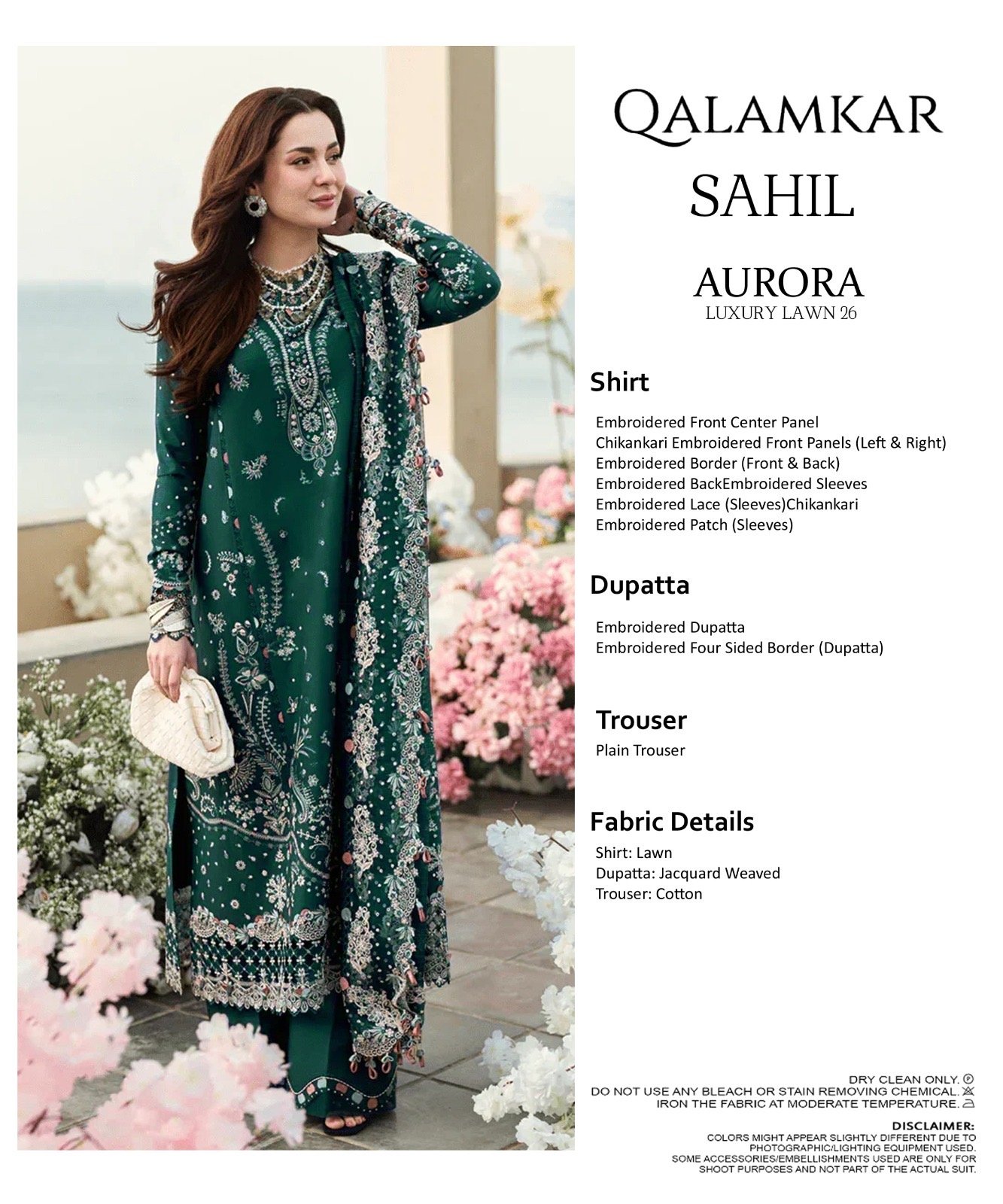
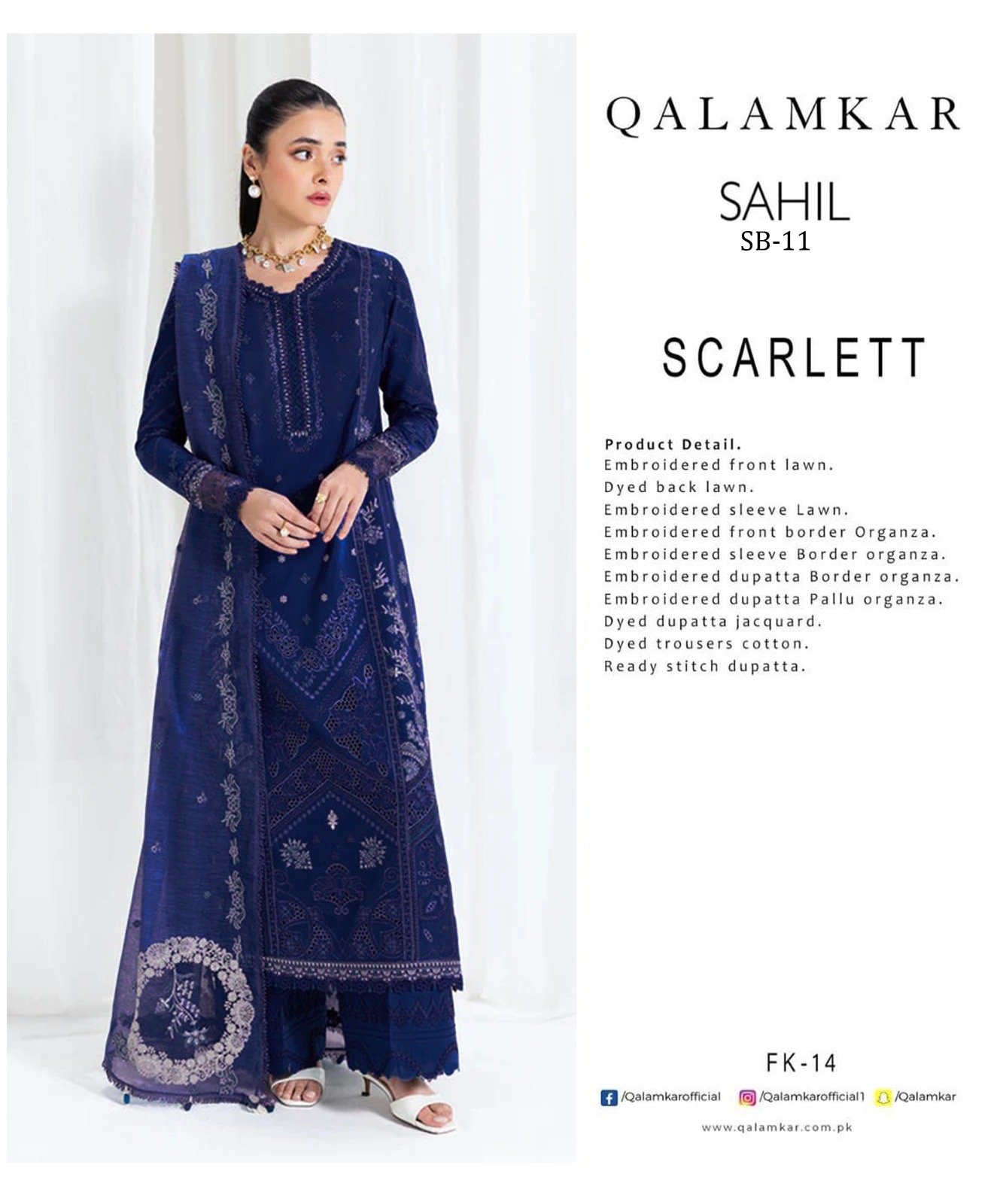
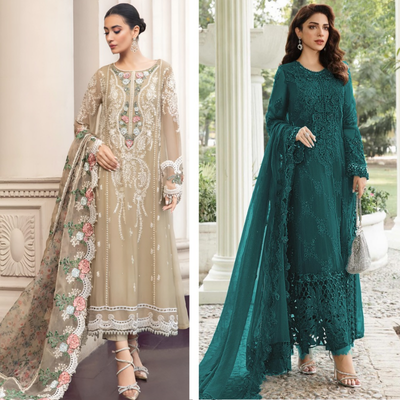
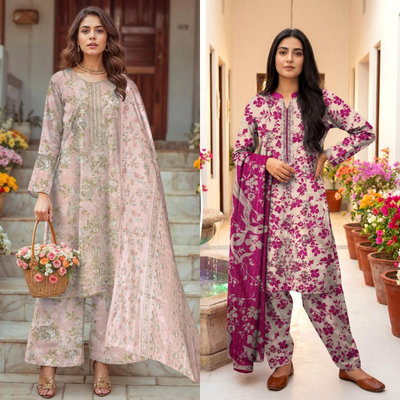
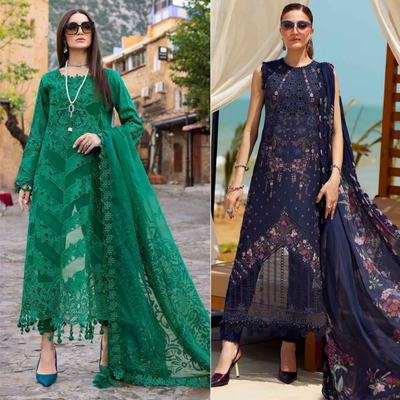
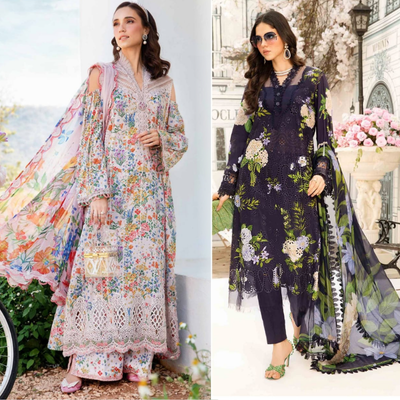







👉 Request Wholesale Pricing
👉 Submit your details to get bulk prices, MOQ information, and worldwide shipping details. We respond within 24 hours.
For entrepreneurs in the USA, this presents a massive opportunity. Importing bulk clothing from Pakistan allows access to:
- Competitive pricing
- Unique cultural designs
- High-quality fabrics
- Custom manufacturing options
Whether you are starting an online store or supplying retail boutiques, tapping into Asian clothing suppliers in Pakistan can give you a strong competitive advantage.
Market Demand Worldwide (USA, UK, UAE, Europe)
The demand for Pakistani dresses worldwide is growing rapidly, especially in countries with large South Asian communities. However, the appeal is no longer limited to diaspora markets—mainstream fashion audiences are increasingly embracing ethnic and fusion styles.
Key Markets Driving Demand
1. United States
- Large South Asian population in cities like New York, Houston, and Chicago
- Growing interest in modest fashion
- High demand for bridal and festive wear
- Rising popularity of eCommerce fashion stores
2. United Kingdom
- One of the biggest markets for Pakistani clothing business
- Strong demand for salwar kameez wholesale and wedding collections
- Established retail and wholesale networks
3. UAE & Middle East
- High purchasing power
- Demand for luxury and designer wear
- Frequent cultural events and weddings
4. Europe (Germany, France, Italy)
- Emerging markets for ethnic fashion
- Increasing online purchases of Asian clothing
Why Pakistani Clothing is in Demand
- Unique embroidery and craftsmanship
- Affordable compared to Western designer brands
- Versatility (casual, formal, bridal)
- Cultural and festive relevance
For US-based entrepreneurs, importing directly from Pakistan allows you to meet this growing demand while maintaining strong profit margins.
Target Audience Analysis
Understanding your target audience is critical before starting your import business. The success of your Pakistani clothing business depends heavily on how well you define and serve your ideal customers.
Primary Target Segments
1. South Asian Diaspora
- Pakistani, Indian, Bangladeshi communities
- Regular buyers for weddings, Eid, and cultural events
- High demand for traditional clothing
2. Boutique Owners
- Small retail stores looking for unique inventory
- Prefer bulk purchasing at competitive rates
- Interested in customization and exclusivity
3. Online Shoppers
- Fashion-conscious buyers
- Looking for trendy, affordable outfits
- Prefer fast shipping and easy returns
4. Modest Fashion Consumers
- मुस्लिम and modest fashion audience
- Demand for full-coverage stylish outfits
- Growing segment globally
5. Bridal Market
- High-value customers
- Looking for premium designs
- Willing to pay higher margins
Customer Behavior Insights
- Prefer visual platforms like Instagram for discovery
- Value fabric quality and stitching
- Expect accurate sizing and descriptions
- Trust brands with reviews and social proof
By aligning your product offerings with these audience segments, you can build a profitable and sustainable business.
Business Models for Importing Pakistani Clothing
There are multiple ways to structure your business when importing from Pakistan. Choosing the right model depends on your budget, risk tolerance, and long-term goals.
1. Online Store (eCommerce)
This is the most popular model for beginners.
Advantages:
- Low startup cost
- Global reach
- Easy scalability
Requirements:
- Website (Shopify, WooCommerce)
- Payment gateway
- Digital marketing strategy
2. Retail Boutique
Opening a physical store in the USA can be highly profitable in areas with strong demand.
Advantages:
- Direct customer interaction
- Higher perceived trust
- Ability to showcase products physically
Challenges:
- Higher rent and operational costs
- Inventory management
3. Wholesale Distribution
You import in bulk and supply to other businesses.
Advantages:
- Large order volumes
- Stable revenue streams
- Less marketing required
Target Clients:
- Boutiques
- Online sellers
- Event planners
4. Dropshipping Model
You partner with suppliers who ship directly to customers.
Advantages:
- No inventory required
- Minimal upfront investment
Disadvantages:
- Lower profit margins
- Less control over quality and shipping
Product Selection Strategy
Choosing the right products is one of the most important steps in building a successful import business. Not all clothing categories perform equally in the US market.
High-Demand Categories
1. Lawn Suits
- Lightweight and breathable
- Perfect for summer
- High sales volume
2. Chiffon & Formal Wear
- Ideal for parties and events
- Higher profit margins
3. Bridal Wear
- Premium category
- Lower volume but high profit
4. Men’s Shalwar Kameez
- Consistent demand
- Popular for religious and cultural events
5. Kids’ Ethnic Wear
- Growing niche market
- High repeat purchases
Factors to Consider
- Seasonality (summer vs winter fabrics)
- Cultural events (Eid, weddings)
- Price sensitivity of your audience
- Shipping weight and cost
Example Strategy
A smart beginner approach:
- 50% casual lawn collection
- 30% formal wear
- 10% bridal
- 10% men’s clothing
This balanced mix ensures both volume sales and high-margin items.
Supplier Sourcing (Pakistan & Global Suppliers)
Finding reliable suppliers is the backbone of your import business. The quality, pricing, and consistency of your supplier will directly impact your brand reputation.
Where to Find Suppliers in Pakistan
1. Manufacturing Hubs
- Lahore: Designer and boutique production
- Karachi: Export-quality garments
- Faisalabad: Textile and fabric production
2. Online Platforms
- B2B marketplaces
- Supplier websites
- Social media (Instagram, Facebook)
3. Trade Shows
- Textile exhibitions
- Fashion expos
Types of Suppliers
- Manufacturers: Best for bulk orders and customization
- Wholesalers: Ready-made stock, faster delivery
- Exporters: Experienced in international shipping
What to Look for in a Supplier
- Product quality consistency
- Competitive pricing
- Minimum order quantity (MOQ)
- Communication and responsiveness
- Export experience
Questions to Ask Suppliers
- What is your MOQ?
- Do you offer private labeling?
- What are your production timelines?
- Can you provide samples?
- What shipping methods do you use?
Sample Testing is Critical
Before placing a large order, always:
- Order samples
- Check fabric quality
- Evaluate stitching
- Test sizing accuracy
Building Strong Supplier Relationships
Long-term success in Pakistani fashion export depends on strong relationships with your suppliers.
Tips for Success
- Communicate clearly and professionally
- Pay on time
- Start with smaller orders
- Build trust gradually
- Visit suppliers if possible
A reliable supplier can:
- Offer better pricing
- Prioritize your orders
- Provide exclusive designs
- Help you scale faster
Common Beginner Mistakes to Avoid
Many new entrepreneurs make costly mistakes when starting their import journey.
Avoid These Pitfalls
- Choosing the cheapest supplier without quality checks
- Ignoring shipping costs
- Overordering without testing demand
- Not understanding US import regulations
- Poor product photography and branding
Final Thoughts for Part 1
Importing bulk clothing from Pakistan to the USA is a highly profitable opportunity if done correctly. With the rising demand for Pakistani dresses worldwide and access to top-tier Asian clothing suppliers, entrepreneurs have a unique chance to build a scalable fashion business.
In this first part, we covered:
- The global rise of the Pakistani clothing business
- Market demand across key regions
- Target audience insights
- Business models to choose from
- Product selection strategies
- How to find and evaluate suppliers
Business Registration (Global Perspective)
Before importing bulk clothing from Pakistan to the USA, you need to legally establish your business. A properly registered business not only builds trust but also ensures smooth import operations, payment processing, and tax compliance.
Choosing the Right Business Structure in the USA
The most common business structures for a Pakistani clothing business in the USA include:
1. Sole Proprietorship
- Easy to start
- Low cost
- Suitable for beginners
- Limited liability protection
2. Limited Liability Company (LLC)
- Most recommended option
- Protects personal assets
- Flexible tax structure
- Ideal for eCommerce and wholesale
3. Corporation (C-Corp or S-Corp)
- Best for scaling businesses
- Suitable for large operations
- More complex compliance
For most entrepreneurs importing Pakistani dresses worldwide, forming an LLC is the best balance between simplicity and protection.
Steps to Register Your Business
- Choose a unique business name
- Register your LLC in your state
- Obtain an EIN (Employer Identification Number)
- Open a business bank account
- Apply for a sales tax permit
Why Registration is Important
- Enables legal importing
- Required for payment gateways like Stripe and PayPal
- Builds trust with Asian clothing suppliers
- Helps in scaling and partnerships
Import/Export Rules and Compliance
Understanding US import regulations is critical when dealing with Pakistani fashion export. Ignoring compliance can lead to shipment delays, fines, or even confiscation.
Key Authorities Involved
- U.S. Customs and Border Protection (CBP)
- Federal Trade Commission (FTC)
- Food and Drug Administration (FDA) (only if applicable for textiles with special treatments)
Essential Import Requirements
1. Importer of Record (IOR)
You (or your business) must be listed as the official importer.
2. HS Code Classification
Clothing items fall under specific Harmonized System (HS) codes. These codes determine duties and taxes.
Examples:
- Cotton garments
- Synthetic clothing
- Embroidered apparel
3. Duties and Taxes
- Typically range from 10% to 30% depending on fabric and type
- Must be calculated before pricing products
4. Textile Labeling Requirements
All garments must include:
- Fabric composition
- Country of origin (e.g., “Made in Pakistan”)
- Care instructions
Import Documentation Checklist
When importing salwar kameez wholesale or other clothing, ensure you have:
- Commercial invoice
- Packing list
- Bill of lading or airway bill
- Certificate of origin
- Importer ID (EIN or SSN)
Common Compliance Mistakes
- Incorrect HS codes
- Missing labels on garments
- Under-declaring shipment value
- Not calculating duties in advance
Avoiding these mistakes ensures smooth customs clearance and faster delivery.
Shipping & Logistics (DHL, FedEx, Bulk Shipping)
Shipping is one of the most important aspects of importing clothing. Your logistics strategy directly affects delivery time, cost, and customer satisfaction.
Shipping Methods from Pakistan to the USA
1. Air Freight (DHL, FedEx, UPS)
Best for small to medium shipments.
Advantages:
- Fast delivery (3–7 days)
- Reliable tracking
- Ideal for eCommerce
Disadvantages:
- Higher cost
2. Sea Freight (Bulk Shipping)
Best for large wholesale orders.
Advantages:
- Cost-effective for bulk
- Suitable for scaling
Disadvantages:
- Longer delivery time (20–40 days)
- Requires planning
Choosing the Right Shipping Method
| Business Stage | Recommended Shipping |
|---|---|
| Beginner | DHL / FedEx |
| Growing | Mixed (Air + Sea) |
| Established | Sea Freight |
Cost Factors in Shipping
- Weight and volume
- Shipping method
- Delivery speed
- Customs duties
- Insurance
Pro Tips for Shipping Success
- Start with air freight for testing products
- Negotiate shipping rates with couriers
- Use freight forwarders for bulk shipments
- Always insure high-value goods
Setting Up an eCommerce Store
To sell Pakistani dresses worldwide, you need a strong online presence. Your website is your digital storefront and plays a key role in conversions.
Best Platforms for eCommerce
1. Shopify
- Easy to use
- Ideal for beginners
- Built-in payment integration
2. WooCommerce (WordPress)
- More customizable
- SEO-friendly
- Lower long-term cost
3. Wix / Squarespace
- Simple setup
- Limited scalability
Key Features Your Store Must Have
- Mobile-friendly design
- High-quality product images
- Clear product descriptions
- Size charts
- Secure checkout
- Customer reviews
Product Page Optimization
Each product page should include:
- Fabric details (lawn, chiffon, cotton)
- Stitching information (stitched/unstitched)
- Size guide
- Delivery timeline
- Return policy
Example of High-Converting Product Strategy
Instead of listing generic items:
- Use lifestyle images
- Show models wearing outfits
- Add short videos
- Highlight unique features
This approach increases trust and improves sales.
Payment Gateways (Global Methods)
To operate internationally, you need reliable payment systems that support global transactions.
Top Payment Gateways
1. Stripe
- Accepts credit/debit cards
- Seamless integration
- Ideal for scaling
2. PayPal
- Trusted worldwide
- Easy for international customers
- Slightly higher fees
3. Shopify Payments
- Built into Shopify
- Lower transaction fees
Alternative Payment Options
- Apple Pay / Google Pay
- Buy Now, Pay Later (Klarna, Afterpay)
- Bank transfers for wholesale clients
Currency & Pricing Strategy
- Display prices in USD
- Offer multi-currency for global customers
- Clearly mention shipping costs
Payment Security Tips
- Use SSL certificates
- Enable fraud protection tools
- Monitor suspicious transactions
Inventory and Order Management
Managing inventory efficiently is crucial for maintaining profitability and customer satisfaction.
Inventory Models
1. Bulk Inventory
- You stock products
- Faster shipping
- Higher upfront investment
2. Just-in-Time Inventory
- Order from supplier when needed
- Lower risk
- Slower delivery
3. Hybrid Model
- Stock bestsellers
- Order low-demand items on request
Inventory Management Tools
- Shopify Inventory
- Zoho Inventory
- TradeGecko (QuickBooks Commerce)
Order Fulfillment Options
1. Self-Fulfillment
- Pack and ship orders yourself
- More control
- Time-consuming
2. Third-Party Logistics (3PL)
- Outsource storage and shipping
- Faster scaling
- Additional cost
Handling Returns & Exchanges
A clear return policy builds trust.
Include:
- Return timeframe (7–14 days)
- Condition requirements
- Refund or exchange options
Pricing Strategy for Profitability
Pricing your products correctly is essential for success in the Pakistani clothing business.
Cost Breakdown Example
- Product cost (Pakistan supplier)
- Shipping cost
- Customs duties
- Packaging
- Marketing expenses
Pricing Formula
Retail Price = Total Cost × 2.5 to 3
Example:
- Total cost: $20
- Selling price: $50–$60
Wholesale Pricing
- Offer bulk discounts
- Maintain minimum order quantity (MOQ)
- Ensure consistent margins
Building Trust with Customers
Trust is a major factor when selling clothing online.
Ways to Build Trust
- Display customer reviews
- Use real product images
- Offer easy returns
- Provide responsive customer support
- Show social proof (Instagram, testimonials)
Common Operational Challenges
1. Delayed Shipments
Solution: Work with reliable couriers and plan ahead
2. Quality Issues
Solution: Always test samples before bulk orders
3. Payment Disputes
Solution: Use secure payment gateways
4. Inventory Mismanagement
Solution: Use automated inventory tools
Final Thoughts for Part 2
In this section, we covered the operational backbone of importing clothing from Pakistan to the USA. From legal setup to logistics and eCommerce systems, every step plays a crucial role in building a successful business.
You now understand:
- How to legally register your business
- Import/export rules and compliance
- Shipping methods and logistics planning
- Setting up an online store
- Payment gateway integration
- Inventory and order management
With these systems in place, you are ready to move toward growth and scaling.
Building a Strong Brand Identity
Before diving into advanced marketing, you need a clear and memorable brand identity. In a competitive market of Pakistani dresses worldwide, branding is what separates a successful business from a generic store.
Key Elements of a Strong Brand
- Brand Name & Logo – Simple, memorable, and culturally relevant
- Color Palette & Design Style – Consistent across website and social media
- Brand Voice – Professional, friendly, and relatable
- Unique Selling Proposition (USP) – What makes you different?
Examples of Strong Positioning
- Affordable everyday salwar kameez wholesale
- Luxury bridal Pakistani fashion export
- Modern fusion wear for young audiences
- Modest fashion for global consumers
Advanced Marketing Strategies for Global Reach
Once your foundation is set, it’s time to scale your visibility and attract international customers.
1. Content Marketing
Content marketing helps you educate, engage, and convert your audience.
Types of Content to Create:
- Styling guides (e.g., how to wear lawn suits)
- Trend blogs on Pakistani clothing business
- Seasonal collections (Eid, weddings)
- Behind-the-scenes manufacturing content
Benefits:
- Builds authority
- Improves SEO rankings
- Drives organic traffic
2. Email Marketing
Email marketing remains one of the highest ROI channels.
Build Your Email List By:
- Offering discounts (10% off first order)
- Collecting emails at checkout
- Using pop-ups on your website
Email Campaign Ideas:
- New arrivals
- Seasonal sales
- Restock alerts
- Exclusive wholesale offers
3. Paid Advertising (Performance Marketing)
Paid ads can quickly scale your Pakistani clothing business.
Platforms to Focus On:
- Facebook Ads
- Instagram Ads
- Google Shopping Ads
Best Practices:
- Target specific audiences (diaspora, fashion lovers)
- Use high-quality visuals
- Test multiple creatives
- Optimize based on performance
Social Media Growth (Instagram, TikTok, Facebook)
Social media is the backbone of fashion marketing, especially for Pakistani dresses worldwide.
Instagram Strategy
Instagram is ideal for showcasing clothing visually.
Content Ideas:
- Model photoshoots
- Reels of outfit transitions
- Customer testimonials
- Styling tips
Growth Tips:
- Post consistently (daily or 4–5 times/week)
- Use relevant hashtags (#pakistanifashion, #modestwear)
- Collaborate with influencers
- Engage with comments and DMs
TikTok Strategy
TikTok is rapidly growing and offers viral potential.
Content Ideas:
- Quick outfit changes
- “Before & After” styling videos
- Trending sounds with fashion clips
- Packing orders videos
Why TikTok Works:
- High organic reach
- Viral potential
- Younger audience
Facebook Strategy
Facebook is still effective for targeting older audiences and running ads.
Use Facebook For:
- Running paid campaigns
- Building a community page
- Customer support via Messenger
Influencer Marketing (Global Reach)
Influencer marketing is one of the fastest ways to build trust and reach global audiences.
Types of Influencers
- Micro Influencers (5k–50k followers)
- High engagement
- Affordable
- Mid-Tier Influencers (50k–500k)
- Balanced reach and cost
- Macro Influencers (500k+)
- Massive exposure
- Higher cost
How to Collaborate Effectively
- Send free products for promotion
- Offer affiliate commissions
- Create long-term partnerships
What to Look for in Influencers
- Engagement rate (not just followers)
- Audience relevance (USA, UK, UAE)
- Content quality
Example Campaign
A boutique owner in the USA collaborates with 10 micro influencers:
- Each posts 2 reels wearing outfits
- Generates 50,000+ combined views
- Drives traffic and sales within days
SEO Strategies for Worldwide Ranking
Search Engine Optimization (SEO) is essential for long-term growth in the Pakistani clothing business.
Keyword Strategy
Target global keywords naturally:
- Pakistani dresses worldwide
- salwar kameez wholesale
- Asian clothing suppliers
- Pakistani fashion export
On-Page SEO Optimization
Every page on your website should include:
- Optimized titles and meta descriptions
- Proper heading structure (H2, H3)
- Keyword-rich product descriptions
- Internal linking
Content SEO Strategy
Create blog posts such as:
- “Best Pakistani Dresses for Weddings in the USA”
- “Top Trends in Pakistani Fashion Export”
- “Where to Buy Salwar Kameez Wholesale Online”
Technical SEO Basics
- Fast website loading speed
- Mobile optimization
- Secure HTTPS connection
- Clean URL structure
Scaling Your Business
Once your business starts generating consistent sales, it’s time to scale.
Signs You’re Ready to Scale
- Consistent monthly revenue
- Repeat customers
- Strong supplier relationships
- Stable logistics system
Scaling Strategies
1. Increase Product Range
- Add new categories (kidswear, menswear)
- Expand seasonal collections
2. Expand Marketing Budget
- Increase ad spend
- Test new platforms
3. Improve Customer Experience
- Faster shipping
- Better packaging
- Loyalty programs
Entering Wholesale and B2B Markets
Wholesale is a powerful way to grow your revenue.
Why Wholesale Works
- Large order volumes
- Predictable income
- Lower marketing costs
How to Start Wholesale
- Create a wholesale catalog
- Set minimum order quantities (MOQ)
- Offer bulk discounts
Finding Wholesale Clients
- Reach out to boutiques
- Use LinkedIn networking
- Attend trade shows
- List on B2B platforms
Example Wholesale Strategy
- MOQ: 50 pieces
- Discount: 30% off retail
- Target: US-based boutiques
Building Your Own Clothing Brand
Instead of just reselling, you can create your own brand using Pakistani fashion export capabilities.
Benefits of Private Labeling
- Higher profit margins
- Brand ownership
- Customer loyalty
Steps to Build Your Brand
- Design your collection
- Partner with manufacturers in Pakistan
- Add custom labels and packaging
- Launch under your brand name
Customization Options
- Fabric selection
- Embroidery design
- Color variations
- Size customization
Expanding to Global Markets
Once established in the USA, you can expand internationally.
Target Expansion Markets
- Canada
- UK
- UAE
- Australia
Global Expansion Strategies
- Offer international shipping
- Use multi-currency pricing
- Partner with local distributors
Customer Retention Strategies
Acquiring customers is expensive—retaining them is more profitable.
Retention Techniques
- Loyalty programs
- Discount codes for repeat buyers
- Personalized email offers
- Excellent customer service
Data-Driven Growth
Use analytics to make smarter decisions.
Key Metrics to Track
- Conversion rate
- Customer acquisition cost (CAC)
- Lifetime value (LTV)
- Return on ad spend (ROAS)
Tools to Use
- Google Analytics
- Shopify Analytics
- Facebook Ads Manager
Common Marketing Mistakes to Avoid
- Relying only on paid ads
- Ignoring SEO
- Poor product photography
- Not engaging with customers
- Inconsistent branding
Real-World Growth Example
A small online store starts with:
- 20 products
- Instagram marketing
- $500 ad budget
Within 6 months:
- Expands to 100+ products
- Launches wholesale
- Builds a loyal customer base
This is the power of combining strong marketing with quality Asian clothing suppliers.
Final Thoughts for Part 3
In this section, we explored how to grow and scale your business beyond the basics.
You now understand:
- Advanced marketing strategies
- Social media growth techniques
- Influencer marketing for global reach
- SEO for worldwide visibility
- Scaling and expansion strategies
- Entering wholesale and B2B markets
- Building your own fashion brand
With the right execution, your Pakistani clothing business can evolve from a small startup into a global brand.
Financial Planning and Global Profit Margins
Financial planning is the backbone of a successful Pakistani clothing business. Without clear budgeting and margin control, even high sales volumes won’t translate into sustainable profit.
When importing bulk clothing from Pakistan to the USA, your profitability depends on how well you manage costs across sourcing, logistics, marketing, and operations.
Core Cost Components
To calculate your real profit, you must include all hidden and visible costs:
- Product cost from Asian clothing suppliers
- International shipping (air or sea)
- Customs duties and import taxes
- Packaging and branding
- Website and software costs
- Marketing and advertising expenses
- Payment gateway fees
Example Cost Breakdown
Let’s take a practical example for a salwar kameez wholesale product:
- Supplier cost (Pakistan): $12
- Shipping (bulk average): $4
- Duties & taxes: $3
- Packaging & handling: $2
- Marketing cost per unit: $4
Total Cost per Unit: $25
Ideal Pricing Strategy
To maintain healthy margins:
- Retail Price: $50–$75
- Wholesale Price: $35–$45
This gives you:
- 50–65% profit margin (retail)
- 25–40% margin (wholesale)
Profit Margin Tips
- Negotiate better rates with suppliers
- Reduce shipping costs through bulk orders
- Focus on high-margin categories (bridal, formal wear)
- Optimize ads to lower acquisition cost
Cost Breakdown and Smart Pricing Strategy
Pricing is not just about profit—it’s about positioning your brand in the market.
Pricing Models You Can Use
1. Cost-Plus Pricing
- Add a fixed margin to your total cost
- Simple and beginner-friendly
2. Competitive Pricing
- Analyze competitors selling Pakistani dresses worldwide
- Price slightly lower or offer better value
3. Value-Based Pricing
- Charge higher for premium quality or exclusive designs
Psychological Pricing Techniques
- $49 instead of $50
- Bundle offers (Buy 2, Get 10% off)
- Free shipping above a certain amount
Seasonal Pricing Strategy
- Increase prices during wedding and festive seasons
- Offer discounts during off-season
- Launch limited collections for urgency
Real Business Case Study (Global Model)
Let’s look at a realistic example of a successful entrepreneur building a Pakistani fashion export business in the USA.
Case Study: Online Boutique Startup
Phase 1: Launch (Month 1–2)
- Investment: $3,000
- Imported 100 pieces (mixed collection)
- Sold via Instagram and Shopify
Phase 2: Growth (Month 3–6)
- Revenue: $8,000/month
- Introduced paid ads
- Partnered with micro influencers
Phase 3: Scaling (Month 6–12)
- Added wholesale clients
- Expanded to 300+ products
- Monthly revenue: $20,000+
Key Success Factors
- Strong supplier relationships
- Consistent social media marketing
- High-quality product images
- Customer trust and reviews
Lessons Learned
- Start small, then scale
- Focus on best-selling products
- Reinvest profits into marketing
- Build a brand, not just a store
Step-by-Step Launch Checklist
Here is a complete checklist to help you launch your business successfully.
Phase 1: Planning
- Define your niche (casual, bridal, menswear)
- Research competitors
- Identify target audience
Phase 2: Setup
- Register your business (LLC recommended)
- Open business bank account
- Set up payment gateways
Phase 3: Supplier Sourcing
- Find reliable Asian clothing suppliers
- Order samples
- Finalize pricing and MOQ
Phase 4: Logistics
- Choose shipping method (DHL, FedEx, sea freight)
- Understand import duties
- Prepare documentation
Phase 5: Store Setup
- Build Shopify or WooCommerce store
- Upload products with descriptions
- Add payment and shipping options
Phase 6: Marketing Launch
- Create Instagram and TikTok accounts
- Run initial ads
- Collaborate with influencers
Phase 7: First Sales
- Offer launch discounts
- Collect customer feedback
- Optimize listings
Expansion into International Markets
Once your business is stable in the USA, expanding globally can multiply your revenue.
Top Markets to Target
- UK (high demand for salwar kameez wholesale)
- Canada (strong South Asian community)
- UAE (luxury fashion demand)
- Europe (emerging ethnic fashion market)
Expansion Strategies
- Offer international shipping
- Create region-specific ads
- Partner with local distributors
- Use multi-currency pricing
Long-Term Growth Strategies
Building a sustainable business requires long-term thinking.
1. Build a Recognizable Brand
- Invest in branding and packaging
- Create a consistent visual identity
- Develop a loyal customer base
2. Diversify Product Range
- Add accessories (dupattas, scarves)
- Introduce kidswear and menswear
- Launch seasonal collections
3. Strengthen Supplier Network
- Work with multiple suppliers
- Secure exclusive designs
- Negotiate better pricing
4. Automate Operations
- Use inventory management tools
- Automate email marketing
- Outsource fulfillment
5. Focus on Customer Experience
- Fast shipping
- Easy returns
- Responsive support
Conversion-Focused Conclusion
Importing bulk clothing from Pakistan to the USA is more than just a business—it’s a scalable global opportunity. With the rising demand for Pakistani dresses worldwide, entrepreneurs can build profitable brands by leveraging quality products, smart sourcing, and effective marketing.
From understanding the Pakistani clothing business to mastering logistics, marketing, and scaling strategies, you now have a complete roadmap to success.
Whether you start small with a few products or launch a full-scale wholesale operation, the key is consistency, quality, and continuous improvement.
Take action today:
- Start researching suppliers
- Build your online store
- Launch your first collection
Your journey into the world of Pakistani fashion export can begin now.
FAQ Section (Global Search Optimized)
1. How much investment is needed to start importing clothing from Pakistan to the USA?
Starting investment can range from $2,000 to $10,000 depending on your business model. Beginners often start small by importing limited stock of salwar kameez wholesale products and scaling gradually. Costs include inventory, shipping, website setup, and marketing. Starting with a smaller budget reduces risk while allowing you to test demand.
2. Is importing Pakistani clothing to the USA profitable?
Yes, it is highly profitable due to low production costs in Pakistan and high retail prices in the USA. With proper pricing and marketing, profit margins can range from 40% to 70%, especially in premium categories like bridal and formal wear.
3. What are the best products to import from Pakistan?
High-demand products include lawn suits, chiffon dresses, bridal wear, and men’s shalwar kameez. These items perform well due to their quality, affordability, and cultural relevance in global markets.
4. How do I find reliable suppliers in Pakistan?
You can find suppliers through B2B platforms, social media, and referrals. Always order samples before bulk purchasing. Look for suppliers with export experience in Pakistani fashion export to ensure smooth operations.
5. What is the shipping time from Pakistan to the USA?
Air shipping (DHL, FedEx) takes 3–7 days, while sea freight can take 20–40 days. Beginners usually start with air shipping for faster delivery and testing products.
6. Do I need a license to import clothing into the USA?
Yes, you need to register your business and obtain an EIN. You must also comply with US customs regulations and textile labeling requirements.
7. How do I price my products for maximum profit?
Use a markup of 2.5x to 3x your total cost. Consider market demand, competitor pricing, and product uniqueness when setting prices.
8. Can I start without holding inventory?
Yes, you can use a dropshipping model. However, holding inventory provides better control over quality and faster delivery, which improves customer satisfaction.
9. How can I market Pakistani clothing globally?
Use social media platforms like Instagram and TikTok, invest in influencer marketing, and optimize your website for SEO to attract global customers searching for Pakistani dresses worldwide.
10. What are common mistakes to avoid in this business?
Common mistakes include choosing low-quality suppliers, ignoring shipping costs, poor marketing, and not understanding import regulations. Avoiding these ensures long-term success.
11. How do I scale my clothing business internationally?
Expand your product range, invest in marketing, enter wholesale markets, and offer international shipping. Building a strong brand is key to global growth.
12. Is wholesale better than retail in this business?
Both models have advantages. Retail offers higher margins, while wholesale provides bulk sales and stable revenue. Many successful businesses combine both.
13. How important is branding in Pakistani clothing business?
Branding is crucial for standing out in a competitive market. A strong brand builds trust, increases customer loyalty, and allows premium pricing.
14. What payment methods should I offer?
Offer Stripe, PayPal, and credit/debit cards. For wholesale clients, bank transfers are also common.
15. Can I create my own clothing brand using Pakistani manufacturers?
Yes, many Asian clothing suppliers offer private labeling. You can design your own collection, add branding, and build a unique fashion label.
👉 Request Wholesale Pricing
👉 Submit your details to get bulk prices, MOQ information, and worldwide shipping details. We respond within 24 hours.
