
Sale!


Original price was: ₨15,000.00.₨5,500.00Current price is: ₨5,500.00.
Sale!


Original price was: ₨15,000.00.₨5,500.00Current price is: ₨5,500.00.
Sale!


Original price was: ₨15,000.00.₨5,500.00Current price is: ₨5,500.00.
Sale!


Original price was: ₨15,000.00.₨5,500.00Current price is: ₨5,500.00.
Sale!
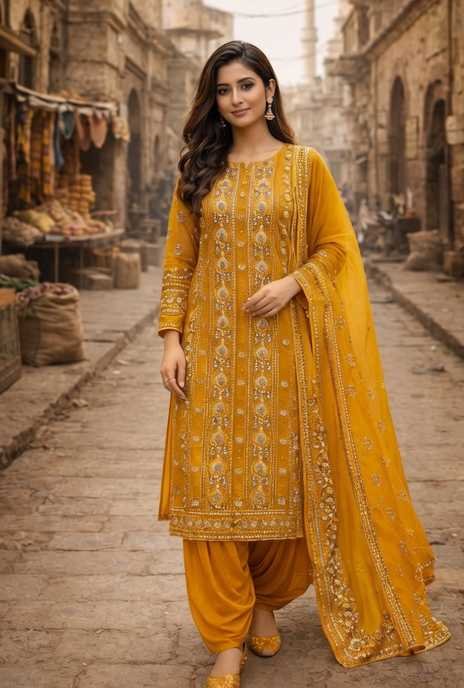
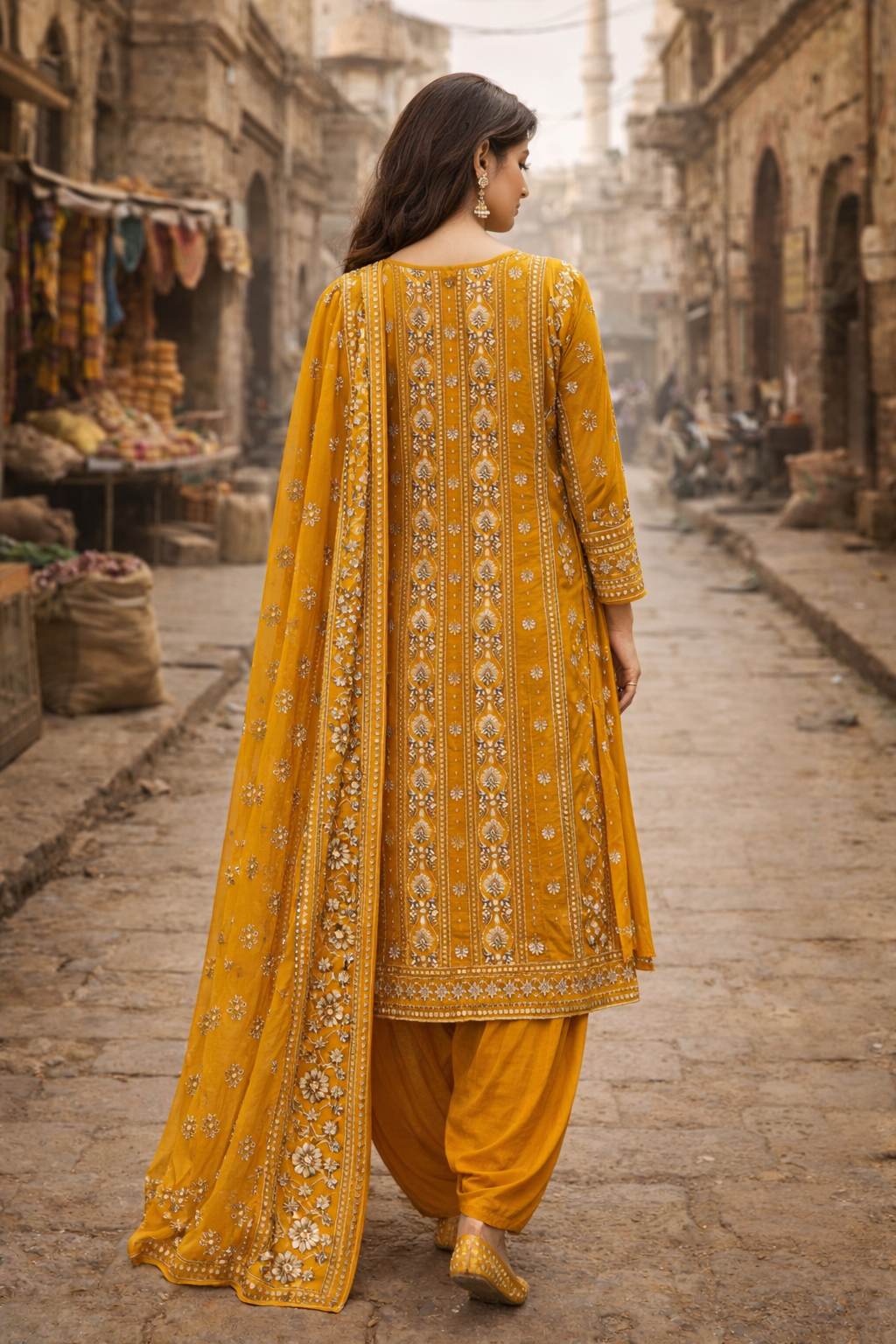
Original price was: ₨15,000.00.₨14,000.00Current price is: ₨14,000.00.
Sale!


Original price was: ₨16,000.00.₨15,000.00Current price is: ₨15,000.00.
Sale!
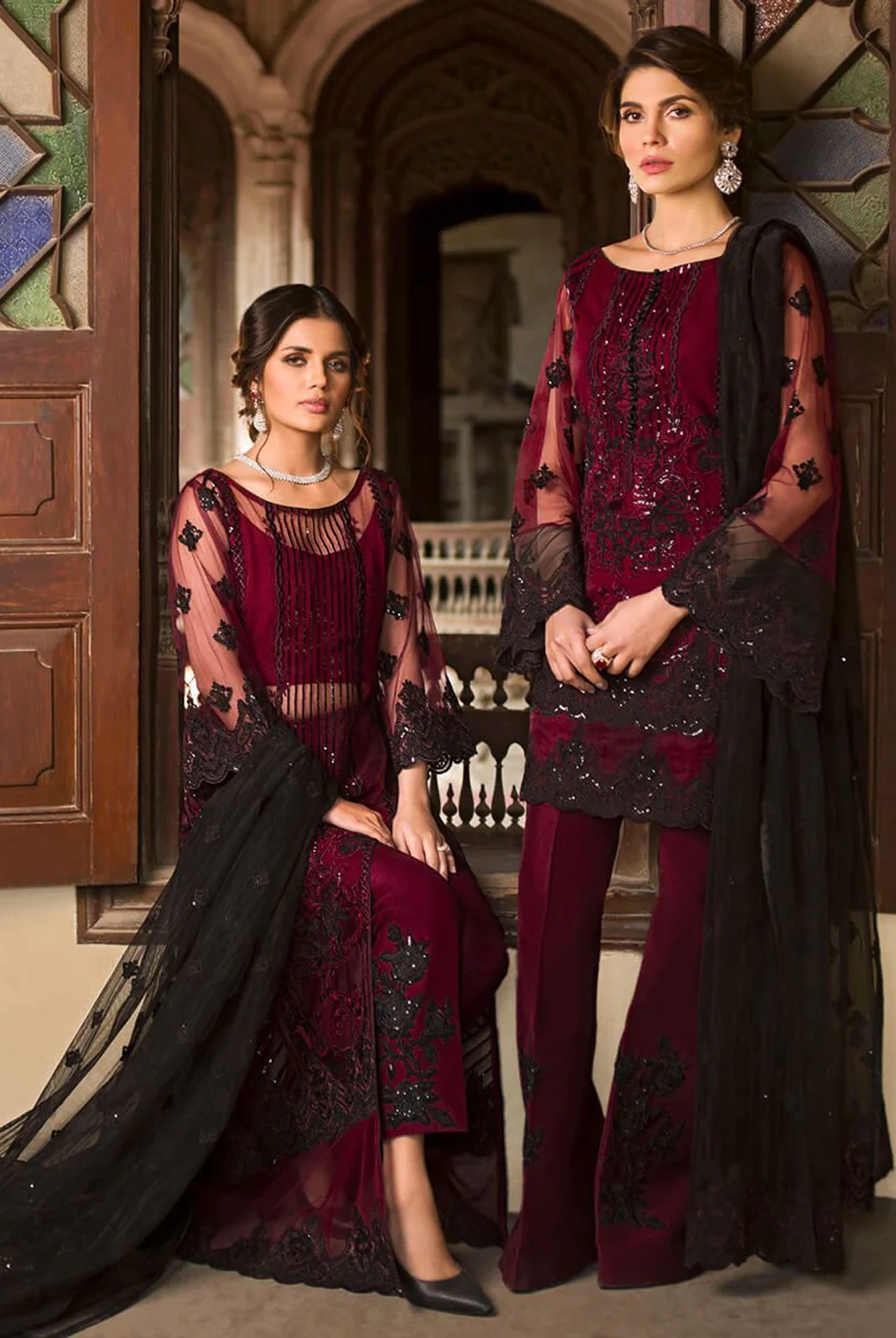

Original price was: ₨17,500.00.₨13,500.00Current price is: ₨13,500.00.
Sale!


Original price was: ₨16,000.00.₨13,000.00Current price is: ₨13,000.00.
Sale!


Original price was: ₨18,500.00.₨14,000.00Current price is: ₨14,000.00.
Sale!

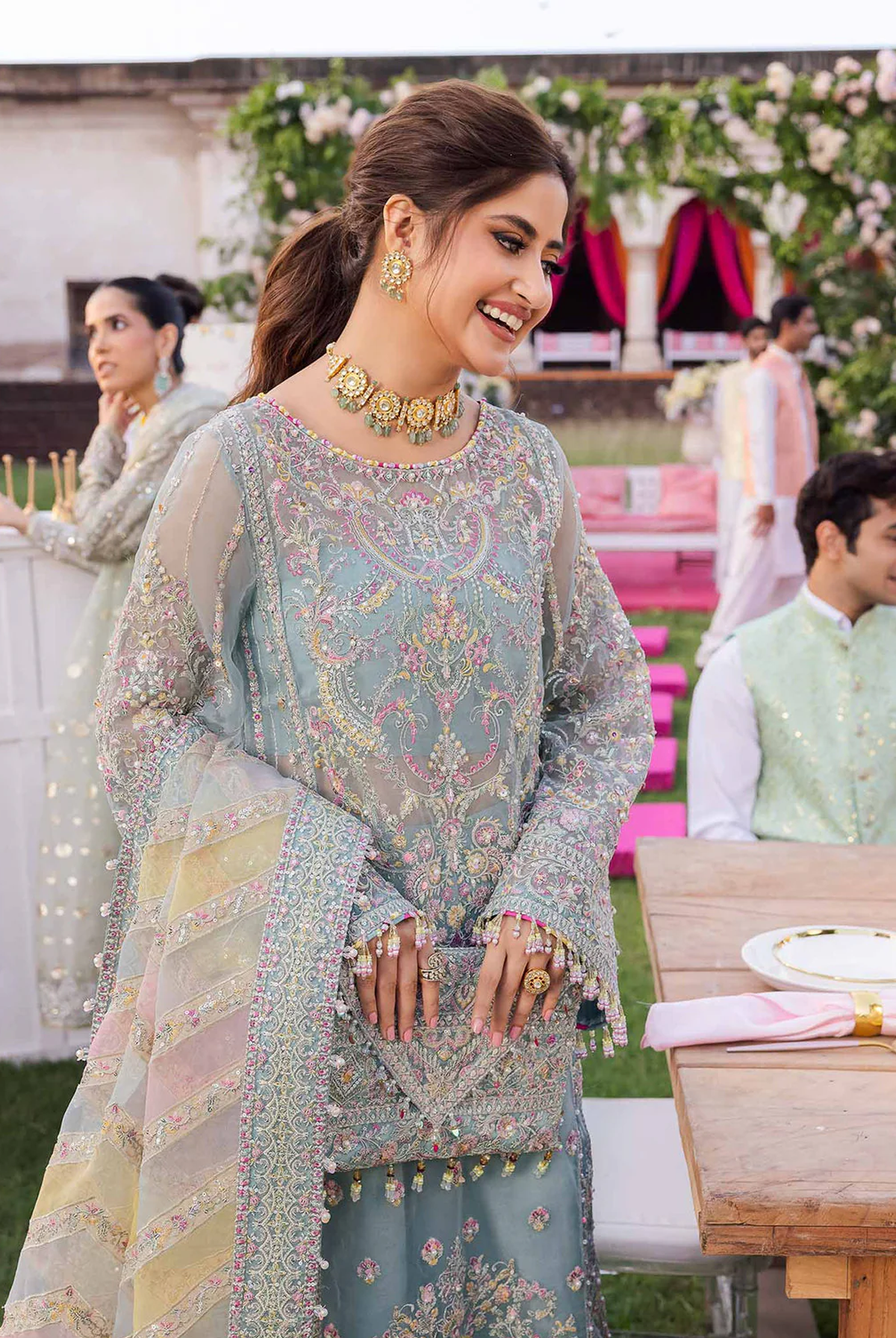
Original price was: ₨14,000.00.₨12,000.00Current price is: ₨12,000.00.
Sale!
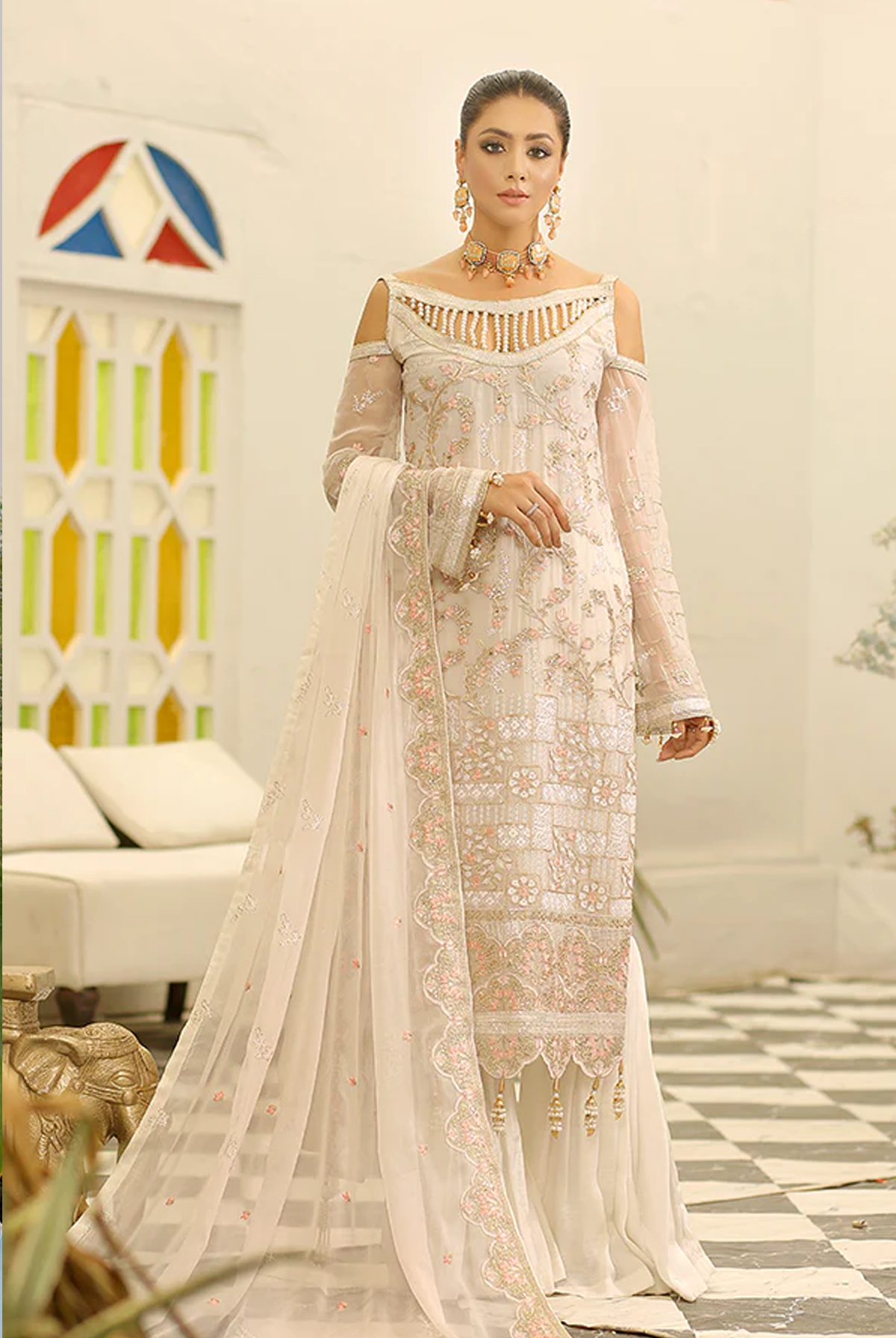

Original price was: ₨15,000.00.₨13,500.00Current price is: ₨13,500.00.
Sale!


Original price was: ₨16,000.00.₨12,500.00Current price is: ₨12,500.00.
Sale!


Original price was: ₨17,500.00.₨15,500.00Current price is: ₨15,500.00.
Sale!


Original price was: ₨15,000.00.₨13,000.00Current price is: ₨13,000.00.
Sale!


Original price was: ₨11,500.00.₨9,500.00Current price is: ₨9,500.00.
Sale!
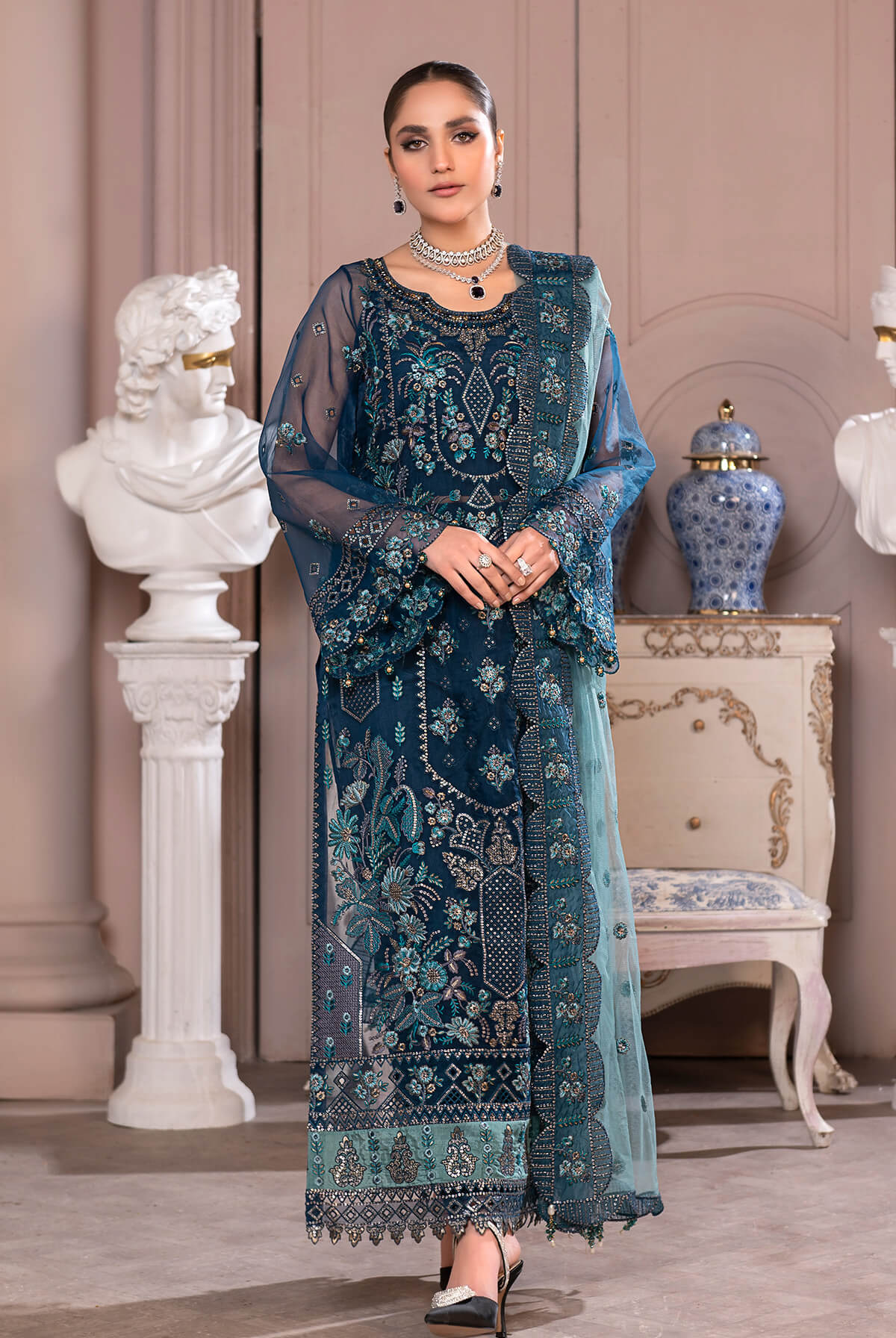

Original price was: ₨14,000.00.₨9,500.00Current price is: ₨9,500.00.
Sale!


Original price was: ₨16,000.00.₨14,000.00Current price is: ₨14,000.00.
Sale!


Original price was: ₨20,000.00.₨14,500.00Current price is: ₨14,500.00.
Sale!


Original price was: ₨19,000.00.₨14,000.00Current price is: ₨14,000.00.
Sale!


Original price was: ₨18,500.00.₨14,500.00Current price is: ₨14,500.00.
Sale!


Original price was: ₨17,500.00.₨15,000.00Current price is: ₨15,000.00.
Sale!


Original price was: ₨14,500.00.₨12,500.00Current price is: ₨12,500.00.
Sale!


Original price was: ₨17,500.00.₨16,000.00Current price is: ₨16,000.00.
Sale!

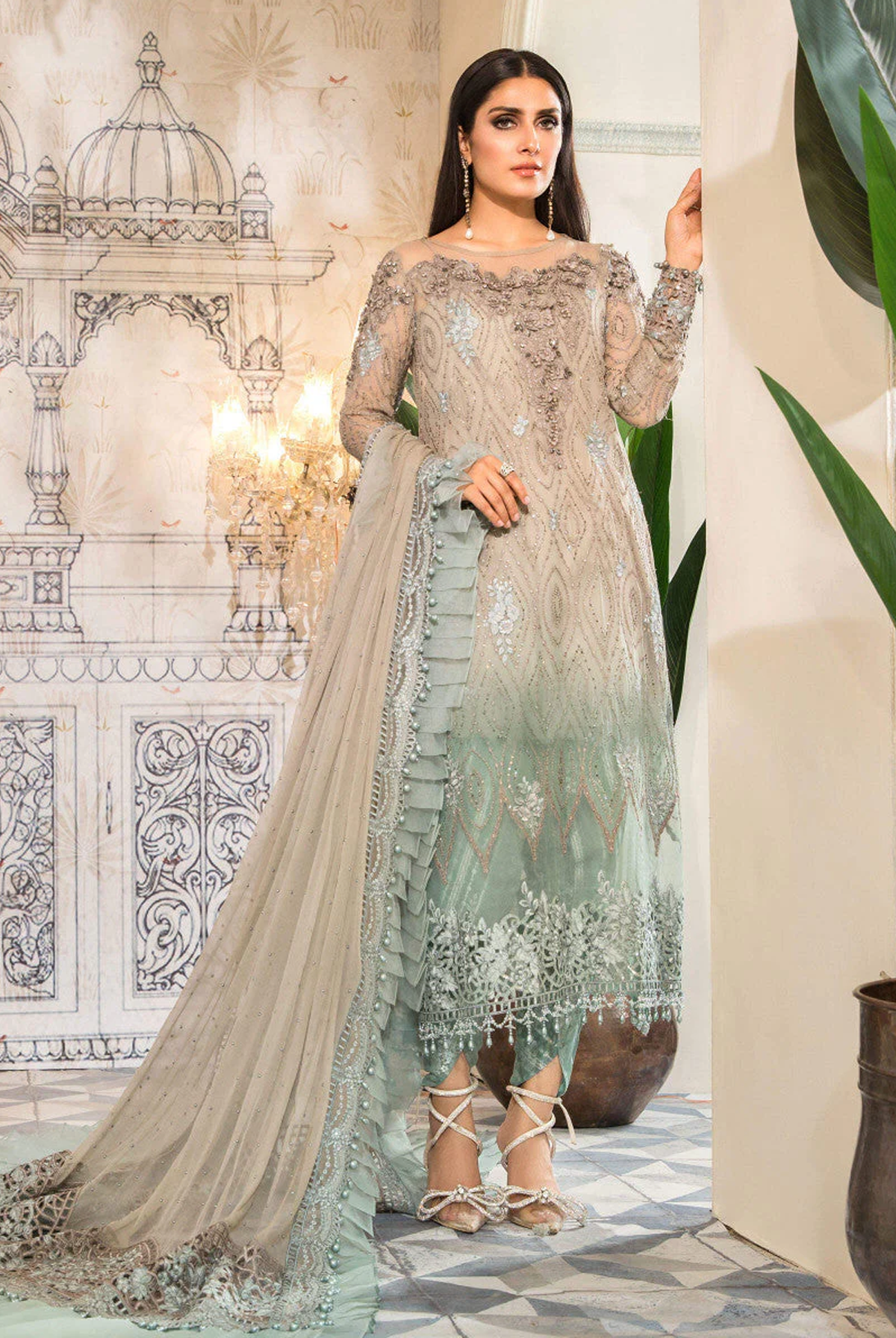
Original price was: ₨16,500.00.₨15,500.00Current price is: ₨15,500.00.
Sale!

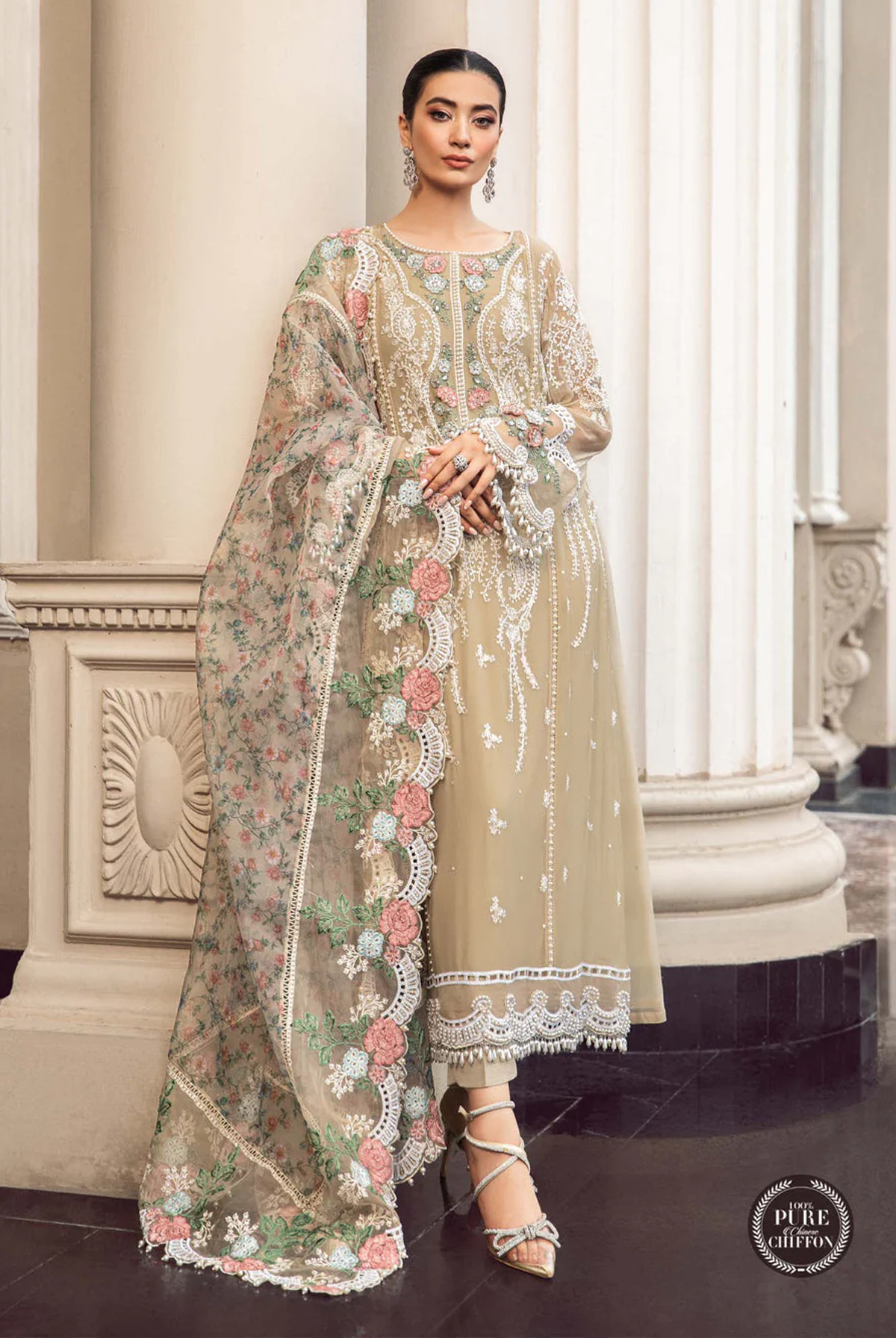
Original price was: ₨15,000.00.₨14,000.00Current price is: ₨14,000.00.
Sale!


Original price was: ₨18,500.00.₨17,000.00Current price is: ₨17,000.00.
Sale!


Original price was: ₨17,500.00.₨16,500.00Current price is: ₨16,500.00.
Sale!


Original price was: ₨16,500.00.₨15,000.00Current price is: ₨15,000.00.
Sale!


Original price was: ₨18,500.00.₨15,500.00Current price is: ₨15,500.00.
Sale!


Original price was: ₨15,000.00.₨11,500.00Current price is: ₨11,500.00.
Pakistani Dress Wholesale Supplier Greenland | Mastorat
The international fashion industry has created new opportunities for clothing retailers, independent boutiques, and fashion entrepreneurs looking to source distinctive products from different parts of the world. Pakistani clothing has gained recognition in international markets because of its detailed embroidery, versatile fabrics, traditional craftsmanship, and wide selection of designs. From elegant formal suits to everyday lawn collections and elaborate bridal outfits, Pakistani fashion offers something for different customer preferences and occasions.
Greenland has a relatively small and geographically dispersed population, which makes its retail environment different from larger European markets. However, online shopping, international connections, and access to global fashion trends have made it possible for consumers and businesses to explore clothing beyond locally available collections. Retailers interested in South Asian fashion can consider importing Pakistani garments to introduce different styles to their customers.
Mastorat connects international clothing buyers with Pakistani fashion collections through an online wholesale platform. Retailers can explore different garment categories, compare available designs, and identify products that match their business requirements. Working with a Pakistani Dress Wholesale Supplier Greenland can help boutique owners investigate opportunities in traditional clothing while building a product range that reflects their customers' needs.
This guide explains the Pakistani clothing market, wholesale sourcing considerations, available garment categories, international ordering, shipping considerations, and practical ways Greenland retailers can develop a clothing business with Mastorat.
Understanding the Pakistani Clothing Market in Greenland
Greenland's fashion market has its own characteristics. Its population is distributed across different towns and settlements, and access to physical retail stores can vary depending on location. These conditions make online product discovery and international sourcing useful options for businesses that want to offer specialist clothing collections. Pakistani fashion can introduce a distinctive category to retailers serving customers interested in South Asian clothing, modest fashion, cultural celebrations, and embroidered garments. The variety of available styles also allows retailers to explore different price points and product types instead of depending on a single clothing category. Some Pakistani clothing collections that may interest Greenland buyers include:- Embroidered shalwar kameez for formal occasions.
- Lightweight lawn suits for comfortable everyday clothing.
- Chiffon and organza outfits for celebrations.
- Traditional lehengas and shararas for wedding events.
- Unstitched fabrics for customers who prefer custom tailoring.
- Designer-style suits with detailed finishing.
- Modest clothing with traditional cuts and contemporary designs.
The Role of Mastorat in International Wholesale Sourcing
International clothing sourcing involves more than finding attractive designs. Retailers must consider fabric quality, product descriptions, wholesale prices, order requirements, packaging, communication, and delivery arrangements. A reliable supplier should make these details clear before an order is confirmed. Mastorat provides an online platform for exploring Pakistani clothing collections and identifying products for wholesale purchasing. It gives international buyers an opportunity to review fashion options without travelling to Pakistan or visiting multiple physical markets. For Greenland-based retailers, the sourcing process can begin with identifying the type of clothing they want to sell. They can then review relevant collections, shortlist suitable products, and contact the supplier to confirm availability and commercial terms. Important parts of the sourcing process include:Product Selection
The first step is choosing garments that match the target audience. Retailers should consider whether their customers are more interested in casual clothing, formal dresses, traditional outfits, or premium occasion wear.Product Information
Clear product information helps buyers understand what they are purchasing. Details such as fabric type, available sizes, colour options, stitching status, embroidery, and finishing should be reviewed before confirming an order.Wholesale Pricing
Wholesale prices can depend on the garment category, design, fabric, quantity, and supplier terms. Buyers should request a clear quotation and calculate the complete landed cost before setting their retail prices.Quality Assessment
Product quality is especially important when ordering internationally. Buyers should review available photographs, product descriptions, and samples where possible. They should also clarify the process for reporting damaged or incorrect items.Delivery Arrangements
International delivery requires coordination between the supplier, shipping provider, and recipient. Buyers should confirm the available delivery method, estimated timeframe, tracking arrangements, and customs responsibilities. Retailers who prefer to explore products online can also review Pakistani dress wholesale online before deciding which collections suit their business.Why Pakistani Fashion Can Interest Greenland Retailers
Pakistani clothing combines traditional design elements with changing fashion preferences. This makes it relevant to customers who appreciate cultural clothing as well as shoppers searching for distinctive outfits for special occasions. There are several reasons retailers may consider introducing these garments into their collections.1. Distinctive Embroidery and Craftsmanship
Pakistani outfits are known for decorative details such as thread embroidery, sequins, lacework, mirror work, and embellishments. These features create a different appearance from many standard Western clothing collections. Formal suits, embroidered dupattas, and occasion wear can attract shoppers who appreciate detailed craftsmanship. Retailers can select designs according to their customers' preferences rather than importing every available style.2. Different Clothing Options
A major advantage of Pakistani fashion is the range of available garments. A retailer can offer casual cotton outfits, semi-formal suits, festive clothing, and premium bridal collections through one product category. This variety makes it possible to serve different shopping requirements throughout the year.3. Traditional and Contemporary Designs
Pakistani designers regularly combine traditional silhouettes with modern cuts, updated colour combinations, and contemporary embellishments. These combinations can appeal to customers who want culturally inspired clothing with a modern appearance.4. Options for Different Budgets
Pakistani clothing is available across different quality and price categories. Basic everyday suits and more elaborate formal garments serve different customer budgets. Retailers should compare actual wholesale costs and product quality instead of assuming that every Pakistani outfit represents the same price or quality level.5. Opportunities for Specialist Retailing
A boutique that offers a carefully selected South Asian clothing collection can establish a specialist identity. This may help differentiate it from stores that primarily sell general fashion products. Retailers can also research established international markets through Pakistani clothes wholesale suppliers UK to understand how Pakistani clothing is presented to overseas buyers.Pakistani Clothing Collections Available for Wholesale Buyers
A successful clothing business needs products that match customer expectations. Instead of purchasing random designs, Greenland retailers should understand the main categories of Pakistani clothing and select a balanced collection. The following sections explain some popular garment types that can be considered when sourcing from Mastorat.Bridal Wear Collection
Pakistani bridal clothing is known for elaborate embroidery, rich fabrics, and traditional silhouettes. Lehengas, maxi dresses, ghararas, and shararas are among the styles associated with wedding fashion. Common design details include:- Heavy thread embroidery.
- Decorative borders and embellishments.
- Detailed dupatta work.
- Traditional bridal colour combinations.
- Premium fabric selections.
- Hand-finished decorative elements.
Luxury Formal Wear
Formal Pakistani dresses are suitable for dinners, celebrations, parties, cultural gatherings, and other special occasions. Chiffon, silk, organza, and other decorative fabrics are commonly used in formal clothing. Designs may include embroidered shirts, detailed sleeves, embellished necklines, and matching dupattas. A boutique can select several formal styles with different levels of decoration. This provides customers with options for both smaller events and more elaborate occasions.Casual Lawn Collection
Lawn clothing is an important category in Pakistani fashion, particularly for everyday and seasonal wear. Its lightweight fabric makes it a popular choice for comfortable outfits. Lawn collections may include:- Printed lawn suits.
- Embroidered lawn designs.
- Two-piece clothing sets.
- Three-piece unstitched suits.
- Printed dupattas.
- Casual stitched outfits.
Unstitched Fabric Collection
Unstitched clothing offers flexibility to customers who prefer to choose their own fitting and tailoring style. These collections generally include fabric for shirts, trousers, and dupattas. Depending on the design, they may also feature embroidery patches, decorative borders, or printed accessories. Retailers can offer unstitched products to customers who already work with a tailor or prefer customised clothing.Designer-Inspired Clothing
Designer-style Pakistani outfits combine decorative details with contemporary fashion trends. They can include formal suits, embroidered dresses, festive collections, and luxury casual wear. When selecting this category, retailers should ensure that product descriptions accurately explain the garment and its design. They should avoid presenting inspired designs as authentic branded products unless their authenticity is verified. For additional collection ideas, explore Pakistani designer dresses.Building a Suitable Clothing Collection for Greenland
Choosing the right products is one of the most important decisions for a new retailer. An attractive catalogue does not automatically mean that every product will sell in a particular market. Greenland retailers should begin by identifying their potential customers and the type of clothing they are most likely to purchase. For example, a business targeting customers interested in traditional South Asian fashion may focus on embroidered suits, formal dresses, and modest clothing. A boutique serving a wider audience may introduce selected contemporary designs alongside traditional garments.Research Customer Preferences
Before purchasing stock, retailers should investigate local interest in Pakistani fashion. Customer conversations, social media engagement, online searches, and enquiries can help identify which categories deserve attention. Useful questions include:- Are customers interested in everyday Pakistani clothing?
- Is there demand for formal and wedding outfits?
- Do shoppers prefer stitched or unstitched garments?
- Which colours and styles attract the most attention?
- What retail prices are realistic for the target audience?
Start With a Balanced Selection
A new retailer does not necessarily need a large inventory. A smaller collection of carefully selected products can provide useful information about customer demand. For example, a boutique might begin with a limited range of casual suits, several formal designs, and a few premium outfits. The business can then review which categories generate the most interest.Consider Local Climate and Seasonal Demand
Greenland's climate is different from the climate in Pakistan. Therefore, retailers should think carefully about fabric weight, garment use, and the seasons in which different products are likely to be purchased. Lightweight lawn suits may have a smaller seasonal selling window, while formal and layered clothing may be more relevant for different occasions throughout the year.Review Product Quality Before Expanding
Customer satisfaction depends on more than attractive photographs. Fabric feel, stitching, embroidery, colour accuracy, and finishing all influence the shopping experience. Retailers should evaluate these factors before increasing their order quantities.Global Wholesale Expansion and International Markets
Pakistani clothing is sold through international retailers, online stores, boutiques, and specialist fashion businesses. Overseas buyers often compare collections from different suppliers before choosing a sourcing partner. Mastorat's international product focus gives retailers an opportunity to explore Pakistani clothing for different customer markets. However, each country has its own import requirements, consumer preferences, and delivery considerations. Some important regions for Pakistani clothing businesses include:- Europe.
- North America.
- The Middle East.
- Australia.
- South Asia.
- Scandinavian markets.
Benefits of Choosing a Specialist Pakistani Clothing Supplier
A specialist supplier can make international sourcing more organised. Retailers benefit when product information, order communication, and purchasing arrangements are clear. When evaluating Mastorat or any other wholesale supplier, consider the following factors.1. Access to Different Product Categories
A varied catalogue helps retailers compare casual, formal, bridal, and designer-style garments without searching through unrelated suppliers. A wider selection can also make it easier to build a collection around a particular customer group.2. Product and Fabric Information
Reliable product descriptions help buyers understand the garments they are considering. Information about fabric, stitching, embellishments, and sizing should be checked before ordering.3. Wholesale Price Transparency
Retailers need to understand the full cost of purchasing stock. This includes garment prices, shipping, import duties, taxes, payment charges, and any additional handling expenses. A clear cost calculation helps businesses set realistic selling prices.4. Order Communication
International buyers may need clarification about product availability, order quantities, shipping methods, and payment arrangements. Responsive communication makes the process easier and helps prevent misunderstandings.5. Consistency Between Orders
Retailers who plan to purchase regularly should consider whether the supplier can maintain consistent product standards and communicate changes in availability. Before making a long-term commitment, buyers should evaluate the experience of an initial order.6. Support for Different Business Sizes
A new boutique and an established retailer may have different purchasing requirements. Flexible ordering arrangements can be useful, but minimum quantities and eligibility should always be confirmed directly.How Online Wholesale Platforms Simplify Sourcing
Digital commerce has changed the way clothing businesses find international suppliers. Retailers can now review product catalogues, compare designs, and contact suppliers without visiting manufacturing locations. For Greenland-based businesses, online sourcing is particularly useful because physical access to international wholesale markets can involve considerable travel and planning. A typical online purchasing process may involve the following steps. Step 1: Explore the Catalogue Browse available clothing categories and identify garments that match your intended market. Step 2: Shortlist Products Save or record designs that suit your preferred price range, style, and customer requirements. Step 3: Request Product Details Ask about fabric composition, measurements, stitching, availability, minimum quantities, and current pricing. Step 4: Confirm Commercial Terms Review payment conditions, delivery arrangements, return policies, and any additional charges. Step 5: Place the Order Once the details are agreed, confirm the order using the supplier's accepted purchasing process. Step 6: Monitor Delivery Keep the order confirmation and shipping information available so that you can follow the delivery process. Retailers interested in international sourcing can also investigate Pakistani clothes wholesalers Manchester, Pakistani clothes wholesalers Bradford, and Pakistani dress wholesale in Dhaka. These resources provide additional points of reference when researching Pakistani clothing collections and overseas retail markets.How Greenland Retailers Can Develop a Pakistani Fashion Business
Starting a clothing business requires planning, product research, and a clear understanding of the target customer. Pakistani fashion can be introduced through an independent boutique, an online clothing store, or a specialist section within an existing retail business. The following approach can help retailers build a practical sourcing strategy.Identify Your Target Audience
Begin by understanding who is most likely to purchase your products. Your audience may include people interested in South Asian clothing, customers looking for modest fashion, wedding shoppers, or buyers who appreciate embroidered formal wear. A clear audience helps determine the product categories and price points to prioritise.Select a Business Model
Retailers can choose between a physical boutique, an online store, or a combination of both. An online store may reduce the need for a large physical inventory, although the business still needs a reliable process for displaying products, managing customer enquiries, processing payments, and handling returns. A physical boutique allows customers to inspect garments and assess their fabric and finishing before purchasing.Establish a Realistic Purchasing Budget
Your budget should cover more than the wholesale price of clothing. Include shipping, customs duties, taxes, packaging, marketing, website expenses, and other operating costs. A complete budget makes it easier to decide how much stock to purchase without placing unnecessary pressure on the business.Create an Organised Product Catalogue
Group garments into clear categories such as casual wear, formal suits, bridal clothing, and unstitched fabrics. Use accurate product photographs and descriptions. Include measurements, available sizes, fabric details, and care information whenever possible.Develop an Online Presence
A professional website and active social media profiles can help customers discover your clothing collection. Publish useful product information, outfit photographs, styling ideas, and updates about new arrivals. Make sure customers can easily contact your business and understand your delivery and return policies.Monitor Sales and Customer Feedback
After introducing your first collection, record which products attract the most attention and which generate actual sales. Customer feedback can reveal whether shoppers prefer particular colours, fabrics, designs, or price ranges. Use this information to improve future purchasing decisions. Retailers can also explore the Pakistani dress wholesale market to learn more about wholesale sourcing and the wider clothing industry.Shipping and Logistics for Greenland-Based Buyers
Shipping is an important part of international wholesale purchasing. Greenland's geographic position means that delivery arrangements should be reviewed carefully before an order is placed. The available delivery route may depend on the destination, shipping provider, parcel size, order weight, and current logistics services. Retailers should not assume that all international suppliers offer identical shipping arrangements. Instead, they should request a delivery quotation and confirm whether the supplier can ship to their particular location in Greenland.Understanding Available Shipping Methods
International clothing orders may be transported by air freight, courier services, or sea freight where suitable routes and services are available. Air Freight and Courier Services Air transport may be appropriate for smaller or time-sensitive shipments. The actual delivery time and cost depend on the carrier, destination, shipment size, and customs processing. Sea Freight Sea freight may be considered for larger commercial shipments where suitable transport arrangements exist. It can involve additional coordination and a longer overall delivery process. Combined Logistics Arrangements Some international shipments require multiple transport stages. The supplier or logistics provider should explain how the goods will reach the final destination.Customs and Import Requirements
Importing garments into Greenland may involve customs documentation, taxes, duties, and other regulatory requirements. The buyer should confirm the applicable rules before placing a large order. Important documents may include:- Commercial invoice.
- Packing list.
- Shipping documentation.
- Product descriptions.
- Customs declarations.
- Any additional documents required by the authorities.
Packaging and Product Protection
Clothing should be packed in a way that protects it from moisture, dirt, and unnecessary handling damage during transportation. Retailers should clarify how garments will be folded, protected, labelled, and prepared for export. Premium embroidered clothing may require additional protection to preserve its appearance.Delivery Tracking
Where tracking is available, buyers should retain their tracking information and monitor shipment progress. It is also useful to confirm who is responsible for resolving delivery issues, missing parcels, or customs delays.Understanding Wholesale Costs and Retail Profit Margins
A profitable clothing business requires accurate cost calculations. Attractive wholesale prices alone do not guarantee that a product will generate a suitable return. Greenland retailers should calculate the complete cost of bringing each garment into their business before setting retail prices.Calculate the Landed Cost
The landed cost is the total expense of receiving a product at its intended destination. Depending on the purchasing arrangement, it may include:- Wholesale garment price.
- International shipping charges.
- Insurance, where applicable.
- Customs duties and import taxes.
- Handling and clearance charges.
- Currency conversion or payment fees.