Wholesale

11 wholesale designs · low MOQ · new arrivals every week · worldwide delivery. Prices are shared on request so you always get current wholesale rates for your country.
Start small, test your market, reorder what sells.
Fresh arrivals every week to keep your rails new.
Woven labels, tags and branded packaging.
Express courier to the UK, USA, Canada, Australia & UAE.
About this collection
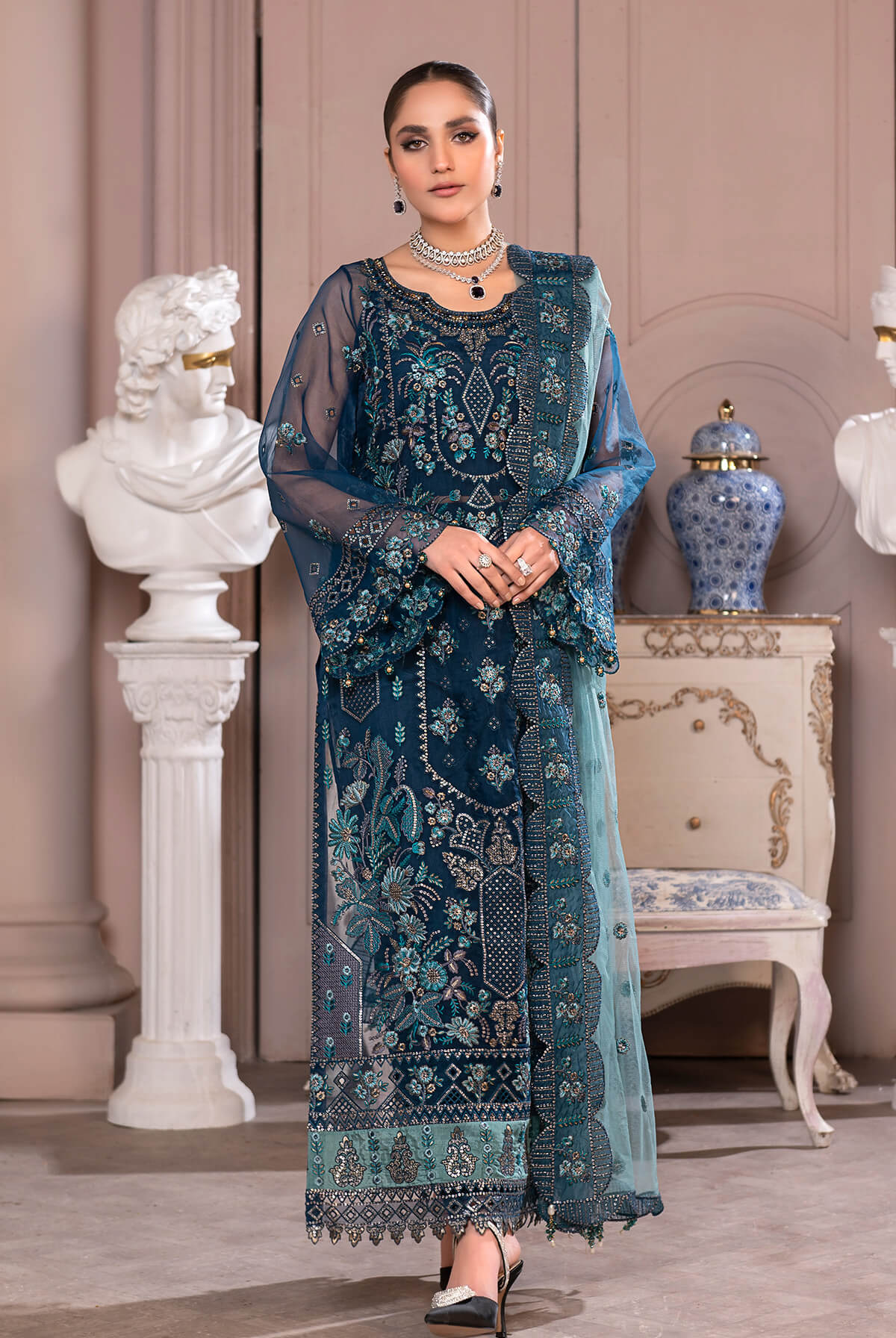
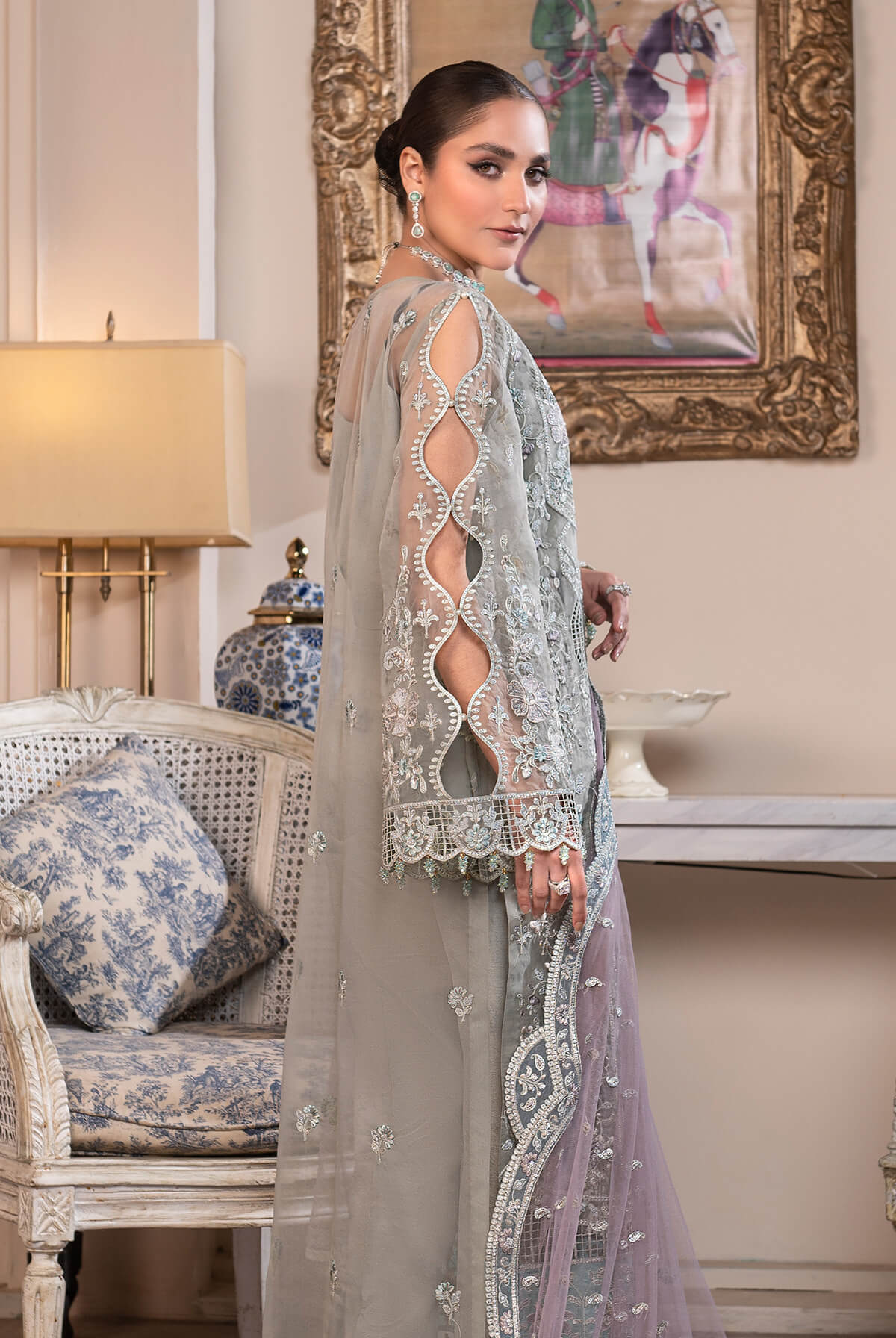
Pakistani fashion has earned recognition in international markets for its detailed embroidery, beautiful fabrics, traditional craftsmanship, and ability to combine cultural heritage with contemporary design. From elegant everyday outfits to sophisticated formal dresses, Pakistani clothing offers a diverse range of styles that appeal to customers with different tastes and preferences. For fashion retailers, boutique owners, and clothing entrepreneurs in Bosnia and Herzegovina, these collections can provide an opportunity to introduce distinctive products to their customers. Finding the right wholesale partner is an important part of building a successful clothing business. Buyers need access to attractive designs, consistent product quality, transparent purchasing information, and suitable shipping arrangements. A dependable supplier can make it easier to manage inventory, respond to seasonal demand, and develop a collection that reflects the interests of the local market. Mastorat provides a platform for exploring Pakistani clothing collections and wholesale opportunities for businesses interested in traditional South Asian fashion. Retailers researching a Pakistani Dress Wholesale Supplier Bosnia and Herzegovina can use Mastorat to explore available collections, review different clothing categories, and identify products that may suit their business requirements. Whether you operate an established boutique, manage an online clothing store, or are planning a new fashion venture, understanding the available styles and purchasing considerations can help you make more informed decisions. This guide explores Pakistani fashion, wholesale buying considerations, fabric options, seasonal collections, and ways retailers can approach the market in Bosnia and Herzegovina. Pakistani clothing is known for its diversity. Traditional silhouettes, regional embroidery techniques, printed fabrics, and contemporary cuts give buyers numerous options when developing a retail collection. Some outfits emphasize understated elegance, while others feature detailed embellishments and decorative finishes suited to special occasions. One reason this clothing category attracts attention is its adaptability. A simple cotton suit can serve as comfortable everyday clothing, while a carefully embroidered chiffon outfit may be suitable for a celebration or formal gathering. This variety allows retailers to serve customers looking for different levels of decoration, fabric types, and price points. Pakistani fashion also includes both stitched and unstitched garments. Ready-to-wear outfits offer convenience to customers who prefer finished clothing, whereas unstitched suits allow individuals to choose their own tailoring and fit. Retailers can explore different categories through Pakistani Dress Wholesale, which provides a starting point for researching clothing options for a business inventory. For stores in Bosnia and Herzegovina, the most suitable products will depend on customer preferences, local competition, available retail space, and the business's pricing strategy. Rather than selecting products solely because they are popular in another country, retailers should evaluate how each collection fits their intended audience. Bosnia and Herzegovina has a varied fashion market that includes contemporary European clothing, traditional garments, occasion wear, and modest fashion. Pakistani dresses can offer an additional option for customers interested in distinctive prints, decorative embroidery, flowing silhouettes, and versatile clothing. However, success depends on understanding the audience rather than assuming that every style will appeal to every customer. Boutique owners should consider local shopping habits, seasonal changes, cultural events, and the types of garments customers already purchase. Pakistani clothing includes traditional shalwar kameez, straight-cut suits, long shirts, embroidered outfits, and modern fusion designs. These styles can be presented as coordinated sets or incorporated into a broader collection of occasion wear and modest clothing. Contemporary designs may appeal to shoppers who prefer simpler patterns and versatile silhouettes. Traditional designs may attract customers looking for distinctive embroidery, decorative details, or clothing for celebrations. Retailers can compare different styles through Pakistani Designer Dresses and Pakistani Designer Suits. A balanced clothing collection can include casual outfits, office-appropriate styles, festive clothing, and formal designs. Offering several categories allows a retailer to serve customers with different needs rather than depending entirely on one type of garment. For example, lightweight cotton outfits may be suitable for everyday use, while embellished suits can be promoted for celebrations and special gatherings. More elaborate designs can form a smaller premium section for customers who prefer decorative clothing. The right product mix should reflect actual customer interest and the amount of inventory a business can reasonably manage. Many Pakistani outfits feature comfortable silhouettes, longer shirts, and coordinated trousers or dupattas. These characteristics can be relevant to customers searching for modest clothing without limiting the collection to one specific style. Retailers can select garments with different sleeve lengths, necklines, cuts, and levels of embellishment. Providing accurate photographs, fabric descriptions, and size information can also help customers understand what they are purchasing. Choosing a supplier requires more than comparing photographs or advertised prices. Retailers should consider product availability, fabric specifications, order requirements, communication, shipping arrangements, and the process for resolving problems with an order. Mastorat offers access to Pakistani clothing categories for buyers researching wholesale fashion. Retailers can use its website to investigate available products and determine whether particular collections align with their business goals. The Pakistani Dress Wholesale Supplier Bosnia and Herzegovina search is particularly relevant to businesses looking for clothing options that may be sourced internationally. Before making a purchase, buyers should confirm current stock, minimum order quantities, payment terms, delivery estimates, and any applicable customs requirements directly with the supplier. A useful wholesale relationship should provide enough information for a retailer to plan purchases confidently. If a business is ordering internationally for the first time, beginning with a manageable order can help establish familiarity with the product quality and delivery process before committing to a larger inventory. Retailers can also browse Pakistani Dress Wholesale Online to explore online wholesale clothing options. A well-organized inventory makes it easier for customers to discover clothing that suits their preferences. Pakistani fashion includes several categories that can be selected according to the store's target audience and budget. Designer outfits often feature distinctive cuts, decorative embroidery, coordinated accessories, or carefully selected fabrics. They can provide a premium option for boutiques that want to offer clothing for formal occasions and customers seeking more detailed designs. When selecting designer pieces, retailers should assess the quality of the stitching, finishing, embroidery, lining, and fabric. Photographs should accurately represent the garments so customers can understand the design before purchasing. Explore Pakistani Designer Clothes Online to research additional designer clothing options. Everyday suits are an important category for retailers serving customers who value comfort and versatility. These garments may include printed cotton suits, lightweight lawn outfits, simple embroidered shirts, and coordinated separates. Practical details such as fabric care, colour durability, fit, and ease of movement can influence customer satisfaction. Retailers should provide clear product descriptions and avoid making claims about fabric performance that have not been verified. A collection of versatile designs can also help customers find garments suitable for regular wear rather than occasional use only. Formal Pakistani clothing often includes decorative embroidery, chiffon dupattas, embellished shirts, and more elaborate finishing. These styles may appeal to shoppers preparing for weddings, family gatherings, celebrations, and evening events. Retailers can organize formal garments by design complexity, colour, fabric, and price range. This approach allows customers to compare options without having to browse an unstructured collection. Buyers should carefully inspect embellishments and stitching, particularly when ordering heavily decorated garments in bulk. Unstitched clothing gives customers the freedom to select their preferred fit and tailoring style. It can also appeal to boutiques that serve shoppers who want greater control over the final appearance of an outfit. Fabric sets may include shirt material, trouser fabric, and a matching or coordinating dupatta, depending on the product. Before placing an order, retailers should confirm exactly what is included in each set and whether the fabric lengths and components are consistent. For further research, visit Pakistani Dress Material Wholesale. Fabric selection influences how a garment looks, feels, and performs in different conditions. Pakistani clothing uses a variety of materials, each offering different characteristics. Lawn is a lightweight fabric commonly associated with warm-weather clothing. Printed lawn suits and lightly embroidered designs can form part of a summer collection. Retailers should examine the fabric composition, finish, opacity, and care instructions before choosing products for their customers. These details help determine whether a garment is suitable for everyday use or requires additional layering. Cotton garments are valued for their versatility and everyday practicality. Depending on the weave and construction, cotton can be used for casual suits, simple embroidered outfits, and coordinated separates. Buyers should confirm the actual fabric composition rather than assuming that every product described as cotton contains the same material blend. Chiffon is commonly used in formal clothing, particularly dupattas, overlays, and decorative elements. Its lightweight appearance can complement embroidered shirts and occasion wear. When sourcing chiffon outfits, retailers should pay attention to finishing, transparency, seam quality, and care requirements. Providing this information can help customers choose garments that match their expectations. Silk and silk-look materials can add a luxurious appearance to formal and festive collections. They are often selected for outfits with rich colours, decorative surfaces, and structured designs. Because different materials can have very different compositions and care needs, suppliers should identify the fabric accurately. Retailers should not describe a synthetic blend as pure silk unless its composition has been confirmed. Khaddar and linen-style garments can be considered for cooler-weather collections. Their suitability depends on the fabric weight, construction, and local seasonal conditions. A retailer can plan seasonal purchasing by reviewing previous sales and customer enquiries rather than ordering large quantities based on assumptions alone. The right inventory depends on a store's customer base, available budget, storage space, and expected sales. Buying too many products in one category can leave a retailer with limited flexibility if demand changes. A balanced collection may include everyday clothing, moderately decorated suits, formal outfits, and a smaller selection of premium designs. This structure gives customers a range of options while allowing the business to test demand across several categories. Before purchasing stock, define the customers you want to serve. An online store specializing in affordable everyday clothing may need a different product mix from a boutique focused on formal and designer fashion. Consider factors such as preferred colours, clothing sizes, average spending, fabric preferences, and the occasions for which customers typically shop. Customer feedback, website searches, product enquiries, and sales records can help refine purchasing decisions over time. Wholesale prices are important, but the lowest price does not always represent the best overall value. Poor stitching, inconsistent sizing, inaccurate product descriptions, or damaged embellishments can increase returns and affect customer confidence. Where possible, request product samples or detailed photographs before placing a substantial order. Confirm fabric composition, garment measurements, colour availability, and packaging details. Minimum order requirements can influence the amount of stock a retailer must purchase. Before committing, calculate the total cost of the order, including transportation, import charges, and any other relevant expenses. A smaller initial order may be useful when testing an unfamiliar product category. Once the retailer has gathered reliable sales data, future orders can be adjusted according to demand. Pricing affects both customer demand and the financial sustainability of a retail business. Retailers should consider the complete cost of acquiring and selling a garment rather than comparing the supplier's unit price alone. Relevant expenses may include the product price, international shipping, customs duties, import taxes, payment processing fees, storage, packaging, marketing, and local delivery. For international orders entering Bosnia and Herzegovina, businesses should verify the applicable import procedures and charges with the relevant authorities or a qualified customs professional. The landed cost represents the total expense of bringing goods to the intended destination. Calculating it before ordering helps retailers estimate a realistic selling price. For example, a garment purchased at a wholesale price may become significantly more expensive after shipping and import costs are added. A retailer who overlooks these expenses could set a selling price that does not cover the actual cost of the product. Use documented supplier quotations and current shipping estimates rather than relying on broad assumptions. When reviewing suppliers, compare garment quality, order flexibility, communication, product information, delivery arrangements, and the process for addressing damaged or incorrect items. A supplier that provides clear information can make purchasing easier to manage, even if its advertised unit prices are not the lowest available. You can research broader supplier categories through Pakistani Clothes Wholesale Suppliers. Other market-specific resources include Pakistani Clothes Wholesale Suppliers UK, Pakistani Clothes Wholesalers Manchester, and Pakistani Clothes Wholesalers Bradford. These pages can provide additional context when researching the international Pakistani clothing trade. Buyers should still verify the specific terms and services available for their own destination. International shipping is an important consideration when purchasing clothing from another country. Delivery arrangements can influence inventory planning, seasonal launches, and the final cost of a product. Before confirming an order, retailers should ask the supplier about available shipping methods, estimated transit times, tracking, packaging, insurance where available, and responsibility for import charges. Delivery times may vary according to the origin of the shipment, carrier schedules, customs processing, public holidays, and other logistical factors. For this reason, buyers should request a current estimate rather than assuming that all orders will arrive within a fixed period. Commercial clothing imports may require invoices, product descriptions, shipment documentation, and other information depending on the applicable rules. Retailers should confirm the requirements before goods are dispatched. It is also important to clarify which party is responsible for customs clearance and payment of duties or taxes. Written confirmation helps prevent misunderstandings when the shipment arrives. Suitable packaging helps protect clothing from moisture, dirt, and avoidable handling damage. Retailers should ask how garments will be packed and whether individual pieces or sets will be separated appropriately. When a shipment arrives, check the delivered quantities and condition against the order documentation. Report discrepancies promptly and retain photographs and relevant records where necessary. Businesses comparing international sourcing options can explore Pakistani Dress Wholesale in Dubai, Pakistani Dress Wholesale in USA, Pakistani Dress Wholesale in Pakistan, and Pakistani Dress Wholesale in Mumbai. These resources cover other markets and can help buyers explore the broader international clothing landscape. Online wholesale research makes it easier to compare clothing categories and prepare a purchasing shortlist. However, a website listing alone should not replace verification of the terms that apply to a specific order. Retailers should review product photographs, descriptions, fabric information, size details, available colours, and any stated order requirements. If an important detail is missing, contact the supplier before paying. A structured ordering process can reduce confusion and help a business maintain accurate purchasing records. Start by identifying the product categories relevant to your business. Compare casual suits, formal dresses, designer outfits, and unstitched materials according to your customers' preferences. The Pakistani Catalogue Dress Wholesale page can be used to explore catalogue-related options. Check the fabric composition, garment measurements, stitching status, set contents, and product availability. If photographs do not clearly show the garment, request additional images where possible. For repeat purchases, maintain a record of product identifiers and confirmed specifications so the next order can be compared accurately. Ask for a written quotation covering unit prices, order quantities, payment terms, shipping costs, and any applicable additional charges. Confirm the currency and the date until which the quotation remains valid. If prices depend on order volume, ask how the pricing changes at different quantities. Before payment, establish the expected dispatch date, delivery method, tracking arrangements, and responsibility for customs-related expenses. A clear understanding of these terms helps the buyer plan stock availability and communicate realistic expectations to customers. When the order arrives, compare the received goods with the invoice and packing information. Check quantities, product variations, and garment condition before adding the items to the store's inventory. Keep supplier correspondence and order documentation for future reference. Seasonal planning helps retailers select products that are appropriate for changing weather and shopping patterns. Pakistani clothing offers several options for creating collections throughout the year. Lightweight fabrics, printed designs, and breathable clothing can be suitable choices for warmer months. Retailers may consider lawn, cotton, and other lighter materials when developing a summer collection. Colour preferences and design trends can vary between customers, so it is useful to test different styles before ordering substantial quantities. During cooler periods, retailers may consider heavier fabrics, layered outfits, and garments suitable for lower temperatures. Khaddar and linen options may form part of the selection, depending on their actual composition and construction. Purchasing should be planned around expected demand and delivery schedules to reduce the risk of receiving seasonal goods too late. Formal occasions create opportunities for retailers to offer embroidered outfits, coordinated sets, and more elaborate designs. The most suitable selection will depend on the store's audience and the price range it intends to serve. Retailers can organize these products by design, colour, fabric, and level of decoration, helping customers compare garments more easily. For broader market research, visit Pakistani Dress Wholesale Market. Sourcing suitable products is only one part of operating a clothing business. Product presentation, accurate descriptions, customer service, and inventory management also influence the shopping experience. Each listing should include the product name, fabric composition, available sizes, measurements, stitching status, included accessories, and care instructions where known. Photographs should show the garment clearly and represent its actual colours and details as accurately as possible. Avoid promising specific materials, finishes, or features unless they have been verified. Clear descriptions reduce uncertainty and help customers choose suitable products. A store can make browsing easier by separating casual wear, formal clothing, designer outfits, and unstitched fabrics. Additional filters for size, colour, price, and availability may also improve the shopping experience. Consistent categorization helps customers locate relevant products and allows the retailer to monitor sales across different product groups. Track quantities received, products sold, returns, damaged goods, and items that require replenishment. This information helps identify which categories perform well and which products are moving slowly. Inventory records are particularly important for international purchasing because replenishment may take longer than buying from a local distributor. Customers may need guidance about sizing, fabric care, delivery estimates, or the contents of a clothing set. Responding with accurate information can build confidence and reduce misunderstandings. Retailers should also publish clear policies covering exchanges, returns, delivery, and customer enquiries, in line with the rules applicable to their business. A clothing business can gradually broaden its assortment after establishing demand for its initial products. Expanding too quickly, however, may tie up capital in items that customers do not want. A practical approach is to begin with a focused collection and use sales data to decide which categories to introduce next. Retailers interested in comparing additional product ranges can explore Pakistani Dress Wholesale Online, Pakistani Dress in Wholesale, and Pakistani Dress Material Wholesale in India. These pages offer additional internal resources for researching different wholesale clothing categories and market-specific topics. For international market comparisons, Mastorat also has pages covering Pakistani Dress Wholesale Supplier Albania, Pakistani Dress Wholesale Supplier Austria, Pakistani Dress Wholesale Supplier Germany, and Pakistani Dress Wholesale Supplier France. Additional regional resources include Pakistani Dress Wholesale Supplier Turkey, Pakistani Dress Wholesale Supplier Italy, Pakistani Dress Wholesale Supplier UAE, and Pakistani Dress Wholesale Supplier Saudi Arabia. For further international comparisons, retailers can also review Pakistani Dress Wholesale Supplier Canada, Pakistani Dress Wholesale Supplier Australia, and Pakistani Dress Wholesale Supplier Netherlands. These links connect related content across the website. Each page should be reviewed for its own market information rather than treated as confirmation that identical shipping terms, prices, or services apply everywhere. A dependable supplier relationship can make inventory planning more predictable. Retailers benefit from maintaining clear communication, documenting agreed terms, and providing specific feedback about product quality and customer preferences. Before placing an order, provide the supplier with a detailed list of the products, quantities, sizes, colours, and specifications required. If a particular fabric or finish is essential, request written confirmation. Clear communication helps reduce the possibility of receiving products that do not match the intended collection. Maintain copies of quotations, invoices, payment confirmations, shipping documents, and correspondence. These records can help resolve discrepancies and simplify repeat purchases. Recording the performance of individual products is equally useful. If a design sells consistently, the retailer can consider replenishing it. If a product attracts little interest, future orders can be reduced. At regular intervals, compare sales, returns, customer feedback, and inventory costs. This process helps determine whether the current product range remains suitable for the business. A long-term partnership should support informed purchasing decisions rather than encourage retailers to buy more stock than they can reasonably sell. International wholesale purchases require careful planning. Avoiding a few common mistakes can help retailers protect their budgets and maintain customer satisfaction. Ordering without checking specifications: Product photographs do not always communicate fabric composition, garment measurements, or set contents. Confirm these details before ordering. Focusing only on the unit price: Shipping, import expenses, payment charges, and storage can affect the final cost. Calculate the complete landed cost before setting retail prices. Buying too much stock initially: Large orders may be difficult to manage when demand is uncertain. Consider testing a smaller range where supplier terms allow it. Ignoring seasonal timing: Clothing that arrives after its main selling period may be harder to sell. Build realistic delivery estimates into purchasing plans. Making unsupported product claims: Avoid describing garments as pure silk, handmade, premium grade, or fully stitched unless the specifications confirm those claims. Overlooking return and damage policies: Establish how incorrect, defective, or damaged items will be handled before completing the transaction. Assuming international shipping is identical everywhere: Delivery costs, customs procedures, and transit times can vary by destination. Confirm the details for Bosnia and Herzegovina specifically. Look for clear product specifications, consistent quality, transparent pricing, reliable communication, suitable order quantities, and documented shipping terms. If possible, inspect a sample before committing to a large purchase. It is also important to understand the supplier's policies for damaged goods, incorrect items, and order discrepancies. Retailers can investigate international suppliers, including platforms that offer Pakistani clothing collections. Before purchasing, they should confirm that the supplier can fulfil orders to their destination and clarify the applicable delivery, payment, and import arrangements. A new boutique may begin with a balanced selection of everyday suits, printed outfits, moderately embroidered designs, and a limited number of formal pieces. The ideal assortment depends on the intended customers, available budget, and local demand. Testing a focused collection can provide useful information before expanding into additional categories. Pakistani clothing collections can include ready-to-wear garments and unstitched fabric sets. Availability varies by supplier and product, so buyers should confirm the stitching status and exact contents of each item before placing an order. Review fabric composition, stitching, seams, embroidery, colour consistency, measurements, and finishing. Request samples or additional photographs where available, and inspect delivered goods against the confirmed order specifications. Maintaining a written record of quality requirements can also make repeat orders easier to evaluate. Add the product cost to shipping, applicable duties and taxes, payment fees, and other expenses associated with receiving and preparing the goods for sale. Divide the total cost by the number of saleable units to estimate the cost per garment. Because import requirements can change, verify current charges with the relevant authorities or a qualified customs professional. Common options include lawn, cotton, chiffon, silk and silk-look materials, khaddar, and linen. Each material has different characteristics, uses, and care requirements. Retailers should confirm the composition of each product instead of relying on the fabric name alone. Yes, retailers can include Pakistani clothing in an online store if they have suitable products and fulfilment arrangements. Clear photographs, accurate measurements, fabric details, transparent delivery information, and a well-defined returns policy can help customers make informed purchasing decisions. Review previous sales, customer enquiries, weather patterns, and delivery estimates when planning seasonal purchases. Start with quantities appropriate to the business's budget and adjust future orders according to actual demand. Researching suppliers helps retailers compare product ranges, verify purchasing conditions, estimate import costs, and assess whether a collection fits their target customers. This preparation can reduce avoidable purchasing mistakes and support more sustainable inventory planning. Businesses can begin their research through Pakistani Dress Wholesale and the relevant product categories on Mastorat's website. Pakistani clothing offers retailers a diverse selection of traditional and contemporary styles, ranging from lightweight everyday suits to embroidered formal outfits and unstitched dress materials. For businesses in Bosnia and Herzegovina, the opportunity lies in choosing products that suit local customer preferences, presenting them accurately, and managing international purchasing costs carefully. Mastorat provides a starting point for exploring Pakistani fashion collections and related wholesale resources. Retailers should review the available products, confirm current supplier terms, compare the full cost of importing garments, and establish realistic expectations for delivery and product quality before placing an order. A thoughtful approach to sourcing can help boutiques and online stores develop a distinctive collection without committing too much capital to untested products. Consistent quality checks, accurate inventory records, and responsive customer service can further support long-term business development. If you are researching a Pakistani Dress Wholesale Supplier Bosnia and Herzegovina, begin by exploring Mastorat's wholesale clothing collection, reviewing the relevant product categories, and confirming the terms that apply to your business. Careful supplier evaluation and a customer-focused product strategy can provide a stronger foundation for building a sustainable Pakistani fashion business.
Understanding the Appeal of Pakistani Clothing
Why Pakistani Dresses Can Suit the Bosnia and Herzegovina Market
Traditional and Contemporary Designs
Options for Different Occasions
Opportunities for Modest Fashion
Mastorat as a Wholesale Fashion Resource
Exploring Different Pakistani Dress Categories
Designer Pakistani Dresses
Casual and Everyday Suits
Formal and Party Wear
Unstitched Dress Materials
Choosing the Right Fabrics for Your Collection
Lawn
Cotton
Chiffon
Silk and Silk-Look Fabrics
Khaddar and Linen
How to Build a Balanced Wholesale Inventory
Identify Your Target Customers
Compare Product Quality
Plan Quantities Carefully
Understanding Wholesale Pricing and Business Costs
Calculate the Landed Cost
Compare Suppliers on More Than Price
International Shipping to Bosnia and Herzegovina
Prepare for Customs Requirements
Protect Garments During Transit
Ordering Pakistani Dresses Online
Step One: Browse Available Collections
Step Two: Confirm Product Details
Step Three: Review the Quotation
Step Four: Confirm Delivery Arrangements
Step Five: Inspect the Shipment
Seasonal Collections and Fashion Planning
Spring and Summer
Autumn and Winter
Weddings and Special Events
Selling Pakistani Clothing Through a Boutique or Online Store
Create Clear Product Listings
Organize Products Into Useful Categories
Maintain Accurate Stock Records
Provide Helpful Customer Service
Expanding Your Product Range With Related Collections
Building a Long-Term Wholesale Relationship
Communicate Requirements Clearly
Keep Records of Previous Orders
Review Performance Regularly
Common Mistakes to Avoid When Buying Wholesale
Frequently Asked Questions
What should I look for in a Pakistani dress wholesale supplier?
Can retailers in Bosnia and Herzegovina source Pakistani dresses internationally?
What types of Pakistani dresses should a new boutique consider?
Are stitched and unstitched Pakistani dresses both available?
How can I check the quality of wholesale garments?
How do I calculate the cost of imported clothing?
What fabrics are commonly used in Pakistani clothing?
Can Pakistani dresses be sold through an online store?
How can retailers manage seasonal clothing inventory?
Why research a Pakistani Dress Wholesale Supplier Bosnia and Herzegovina before ordering?
Conclusion
How wholesale works
Tap “Get price” on any design, or send us your list on WhatsApp.
Wholesale prices, MOQ and shipping for your country, usually within a few hours.
Every piece is inspected, and you get photos of your packed order.
DHL, FedEx, Skynet or cargo. Typically 5–7 working days by courier.
“Today I have received 5 boxes like 276 suits. All the dresses are so beautiful and the quality is 100% good…”
“Mastorat is a game-changer in the world of unstitched suits! The quality of fabric is top-notch…”
“Best place to buy wholesale cloth UK”
Free wholesale quote
Tell us which designs you like and roughly how many pieces. We will reply with wholesale prices, MOQ and delivery options for your country.
Wholesale · Free quote