
Sale!


Original price was: ₨19,000.00.₨14,000.00Current price is: ₨14,000.00.
Sale!


Original price was: ₨16,500.00.₨15,000.00Current price is: ₨15,000.00.
Sale!


Original price was: ₨15,000.00.₨11,500.00Current price is: ₨11,500.00.
Sale!

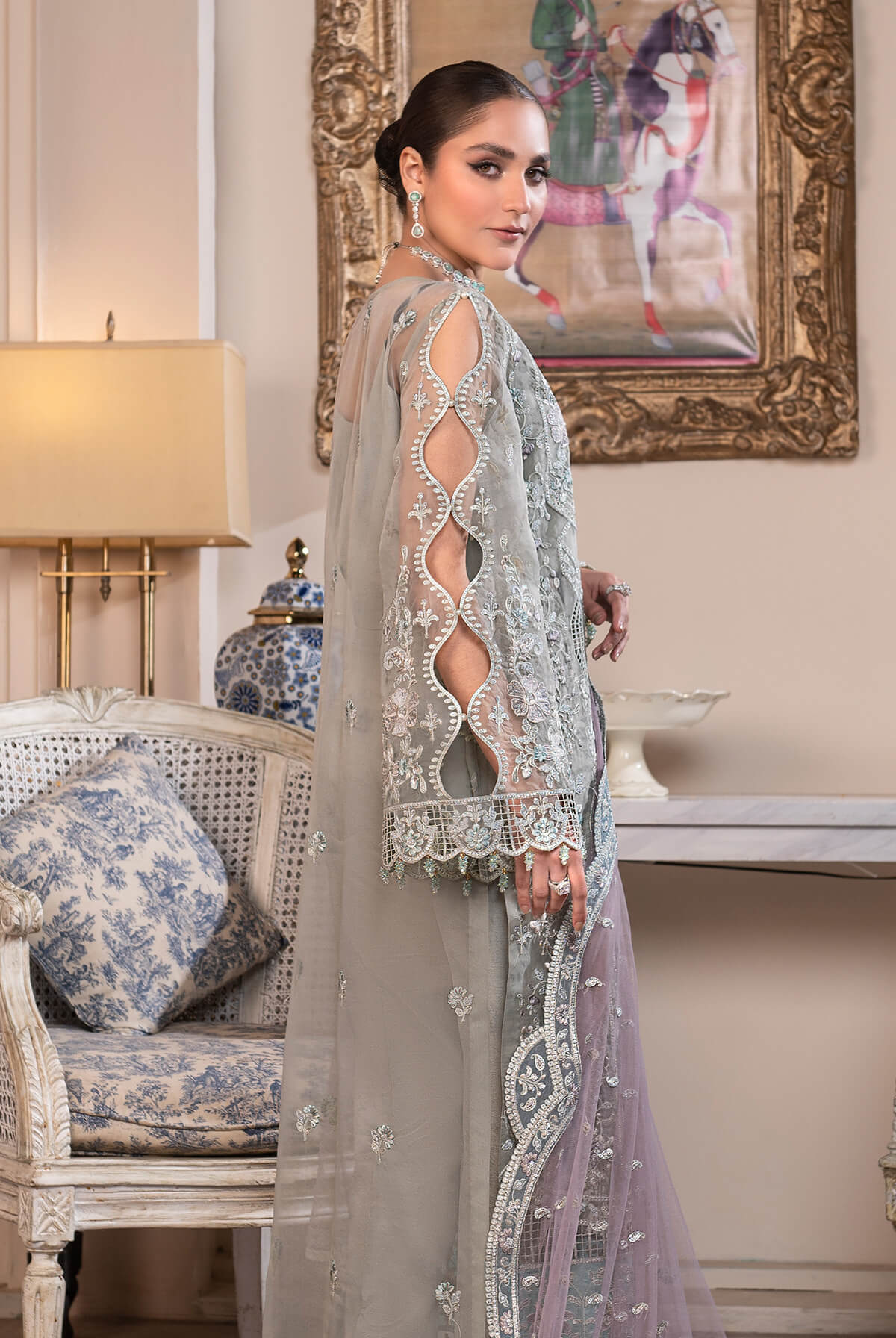
Original price was: ₨14,000.00.₨11,500.00Current price is: ₨11,500.00.
Sale!


Original price was: ₨15,500.00.₨13,500.00Current price is: ₨13,500.00.
Sale!


Original price was: ₨13,500.00.₨12,500.00Current price is: ₨12,500.00.
Pakistani Dress Wholesale Supplier Australia | Mastorat
Finding the right clothing supplier is an important decision for any fashion retailer. Australian boutiques, online stores, and independent clothing businesses need collections that offer attractive designs, dependable quality, and prices that allow them to operate sustainably. Pakistani fashion provides an interesting opportunity for retailers looking to expand beyond conventional Western clothing and introduce customers to distinctive South Asian styles.
Mastorat helps buyers explore Pakistani clothing collections and wholesale sourcing opportunities through its range of fashion-related resources. From embroidered formal suits to lightweight summer outfits, Pakistani clothing offers a variety of options for businesses serving customers with different tastes, budgets, and occasions in mind.
For Australian retailers, choosing a suitable supplier involves more than comparing prices. Fabric quality, stitching, sizing, order quantities, production schedules, shipping arrangements, and communication all influence the success of a wholesale purchase. Understanding these factors can help businesses make informed decisions and build collections that suit their customers.
This guide explains how Australian retailers can approach Pakistani fashion wholesale, which clothing categories may be worth considering, how to evaluate suppliers, and what to keep in mind when managing international orders. It also explores how online sourcing and careful inventory planning can help businesses establish a more organized purchasing process.
Understanding the Australian Market for Pakistani Fashion
Australia has a diverse population with a wide range of clothing preferences. Traditional South Asian outfits are relevant to customers shopping for weddings, religious celebrations, family gatherings, cultural events, and everyday wear. At the same time, contemporary designs can appeal to people who appreciate distinctive fabrics, decorative details, and modest clothing styles. Demand varies by location, audience, season, and retail channel. A boutique serving a large South Asian customer base may need a different collection from an online store targeting customers interested in contemporary ethnic fashion. Retailers should therefore research their own audiences instead of assuming that every Pakistani clothing category will perform equally well. Customer feedback is a useful starting point. Retailers can review previous sales, ask shoppers about preferred colors and fabrics, examine product inquiries, and identify occasions when customers are most likely to purchase formal clothing. These observations can help determine which products deserve more space in the buying budget. Businesses exploring Pakistani dress wholesale in Australia can use this market information to develop a more focused sourcing strategy. Rather than ordering a large number of unrelated designs, retailers can select products that match their customers' preferences and test new categories gradually.Why Pakistani Clothing Appeals to Retailers
Pakistani fashion combines traditional silhouettes with a broad selection of fabrics, embroidery techniques, prints, and contemporary styling. This variety allows retailers to build collections for everyday use as well as special occasions. Some outfits feature understated designs and comfortable materials, while others include decorative stitching, embellished necklines, detailed borders, or elaborate formal finishes. Retailers can choose between these styles according to their brand identity and customer expectations. Another advantage is the range of clothing formats available. Unstitched dress materials appeal to customers who prefer tailoring garments to their measurements, while ready-to-wear suits offer convenience to shoppers who want a finished outfit. Formal dresses and coordinated sets can serve customers preparing for celebrations and important events. However, a product's appeal does not automatically guarantee sales. Businesses should consider fabric care, sizing consistency, color accuracy, finishing, and the final selling price before committing to a purchase. Retailers comparing international sourcing options may also explore the US wholesale market and the UK supplier market. These resources can provide additional perspectives on how Pakistani clothing is presented to different audiences, although individual supplier terms and product availability should always be checked directly.Clothing Categories Worth Considering
A balanced inventory can help retailers serve different customers without making their product range unnecessarily complicated. The most suitable categories depend on the business model, available budget, storage capacity, and expected demand.Bridal Wear and Wedding Collections
Pakistani bridal clothing is known for elaborate decoration, traditional silhouettes, and detailed craftsmanship. Depending on the collection, garments may feature embroidery, embellishments, layered fabrics, decorative borders, or coordinated accessories. These products can appeal to customers preparing for weddings, engagement celebrations, and other formal occasions. Because bridal outfits may involve higher purchase prices and more specific fitting requirements, retailers should assess each item carefully before ordering. Important considerations include the garment's measurements, lining, fabric composition, embroidery finish, color consistency, and any included accessories. Buyers should also confirm whether a displayed outfit is available in finished form or requires stitching. Bridal clothing may be a suitable category for specialist boutiques, but it may not be the best starting point for every new retailer. Businesses with limited budgets can begin with a small selection of formal pieces and expand once they understand customer demand.Formal Dresses and Occasion Wear
Formal Pakistani clothing provides options for dinners, family celebrations, festive gatherings, and other occasions that call for a more refined appearance. Depending on the collection, this category may include embroidered suits, chiffon outfits, long shirts, shararas, ghararas, and coordinated sets. Retailers can create a varied selection by offering both heavily decorated garments and simpler formal designs. This helps customers choose outfits according to their personal style and the nature of the event. When assessing formal collections, pay attention to the placement of embroidery, the weight of the fabric, the comfort of the lining, and the quality of finishing. Detailed product photographs and accurate descriptions can also help online shoppers understand what they are purchasing. Businesses looking for more premium designs can browse Pakistani designer dresses and designer suit collections when planning their product assortment.Casual Wear and Everyday Suits
Everyday Pakistani clothing can provide a practical foundation for retailers seeking products that customers can wear regularly. Cotton suits, printed lawn outfits, simple embroidered shirts, and comfortable coordinated sets may appeal to shoppers looking for versatile clothing. For Australian businesses, climate and season should influence purchasing decisions. Lightweight materials may be more suitable for warmer periods, while customers in cooler regions may prefer heavier fabrics or outfits that can be layered. Comfort, durability, and ease of care are important selling points in this category. Retailers should confirm fabric details and washing instructions instead of relying only on photographs or general product descriptions. Offering several color options in proven designs may be more practical than purchasing many different styles in small quantities. This approach can also make stock management easier.Lawn and Summer Collections
Lawn clothing is associated with lightweight fabric and printed or embroidered designs. It can be a useful category for retailers whose customers prefer breathable clothing and seasonal collections. Popular design features may include floral prints, geometric patterns, subtle embroidery, and coordinating dupattas. Some collections are supplied as unstitched fabric sets, while others are available as ready-made outfits. Before placing an order, buyers should confirm the exact contents of each set. A product photograph may show a complete styled outfit even when the package includes only fabric pieces. Clear specifications prevent misunderstandings and help retailers describe their products accurately. Seasonal purchasing should be planned around local customer demand rather than copied directly from another country's calendar. Australian weather patterns and regional preferences can affect when particular fabrics and designs are most suitable.Unstitched Dress Materials
Unstitched clothing materials allow customers to select their preferred tailoring style and fit. These products can suit retailers serving shoppers who have established relationships with local tailors or prefer personalized garments. A typical set may contain fabric for a shirt, trousers, and dupatta, but the exact contents vary by supplier. Retailers should confirm fabric lengths, material composition, printed panels, embroidery pieces, and any included accessories before advertising the product. Packaging and product identification also matter. Organized stock records can help staff distinguish between similar colorways and designs, especially when multiple collections are purchased together. For businesses that want to compare material-based products, Pakistani dress material wholesale is a useful internal resource.Contemporary and Fusion Styles
Contemporary Pakistani fashion combines traditional elements with modern cuts, simpler silhouettes, and styling that may appeal to a broader audience. Depending on the collection, this can include straight shirts, coordinated separates, minimal embroidery, and versatile formal-casual outfits. Fusion clothing may help retailers reach customers who appreciate South Asian design but prefer garments that fit into a modern wardrobe. However, the best approach is to learn what local customers actually want instead of relying on assumptions about age or cultural background. A small trial collection can help a retailer assess interest before increasing order quantities. Feedback on fit, length, fabric, color, and price can then guide future purchases.How to Choose a Reliable Wholesale Supplier
A dependable supplier should be able to explain product specifications, order requirements, pricing, production timelines, and shipping arrangements clearly. Retailers should evaluate these practical details before deciding where to place a substantial order. Start by reviewing the available catalog. Check whether product descriptions include fabric information, garment measurements, available sizes, colors, and details about stitching or embellishment. When information is missing, request clarification before making a payment. Next, ask about order quantities. Some suppliers may require a minimum number of pieces per design, while others may allow mixed designs or smaller trial orders. There is no universal minimum order quantity across the industry, so buyers should confirm the actual terms for each product. Communication is another important consideration. A supplier should be able to explain how orders are confirmed, how changes are handled, and what happens if an item is unavailable or arrives with a quality issue. Retailers should also check the supplier's business details, payment terms, returns policy, and shipping arrangements. Independent reviews and references may provide additional context, but no single review or marketing statement should replace appropriate checks. Businesses can begin their research through Pakistani clothes wholesale suppliers and compare the information available before contacting potential partners.How the Wholesale Ordering Process Works
International wholesale purchasing generally involves several stages, from choosing products to receiving and checking the shipment. Establishing a consistent process can help retailers reduce avoidable mistakes. The first stage is product selection. Buyers review the catalog and shortlist garments that match their audience, pricing strategy, and seasonal requirements. It is useful to maintain a list of selected styles, colors, sizes, and quantities so that the supplier can prepare an accurate quotation. The next stage is confirming the order details. Retailers should request a written breakdown covering the product specifications, unit prices, minimum quantities, total cost, estimated production period, shipping charges, and payment conditions. Where possible, businesses should request samples before making a large commitment. Samples provide an opportunity to inspect fabric, stitching, color, sizing, and finishing. They may involve additional costs, so the terms should be agreed upon in advance. Once the details are approved, the buyer can proceed according to the supplier's payment process. Before dispatch, it is sensible to confirm the final quantities and packaging arrangements. Online resources such as Pakistani dress wholesale online can help retailers explore available sourcing options. However, the exact ordering procedure depends on the individual supplier and should be verified directly.Understanding Wholesale Pricing and Profit Margins
Wholesale pricing varies according to fabric, design complexity, garment construction, embroidery, order size, and production requirements. A simple printed suit generally has a different cost structure from an elaborately embellished formal outfit. Retailers should compare the complete cost of obtaining a product rather than looking only at the supplier's unit price. International orders may include packaging, freight, insurance, customs duties, taxes, currency conversion charges, and local delivery expenses. A basic landed-cost calculation can help businesses evaluate their purchasing decisions: Landed cost per item = Total purchase and import-related costs ÷ Number of saleable items received. For example, if an order contains several products and the combined purchase, freight, and other applicable costs are allocated across the shipment, the resulting per-item figure gives a more realistic starting point for pricing. Actual calculations should reflect the retailer's circumstances and applicable import requirements. Retailers should also account for operating expenses such as rent, website costs, payment processing, packaging, marketing, and the possibility of unsold inventory. The difference between the wholesale price and the retail price is not necessarily the final profit. It is useful to compare products at different price levels. A collection with a higher unit cost may offer better value if customers appreciate the quality, while a cheaper product may create problems if its finishing or sizing is inconsistent. Before confirming an order, buyers should ask whether the quoted prices depend on quantity, whether sample charges are refundable, and how any additional fees will be calculated. These details make budgeting more reliable.Shipping Pakistani Clothing to Australia
Shipping is an important part of international sourcing because delivery schedules affect inventory planning and customer commitments. The most appropriate method depends on the shipment's size, urgency, cost, and the supplier's available logistics arrangements. Air freight may be appropriate for smaller or time-sensitive shipments. Sea freight may be considered for larger consignments when the delivery schedule allows more flexibility. Courier services can also be useful for samples or selected smaller orders. Delivery estimates should be treated as estimates rather than guarantees unless the shipping provider explicitly offers a guaranteed service. Production time, collection arrangements, customs processing, public holidays, and seasonal demand can all influence the final arrival date. Before ordering, retailers should ask for the expected dispatch date and estimated transit period. They should also confirm who is responsible for customs documentation, import charges, and any issues that arise during transportation. Australian import requirements can vary according to the goods, their materials, value, and the circumstances of the shipment. Buyers should consult the relevant Australian government guidance or a qualified customs professional when necessary rather than assuming that every clothing shipment follows identical rules. Packaging deserves attention as well. Garments should be protected from moisture, crushing, and unnecessary handling. On arrival, the retailer should compare the shipment against the order documents and report discrepancies promptly in line with the supplier's policy.Quality Control Before and After Delivery
Quality control helps retailers protect their reputation and avoid selling products that do not meet customer expectations. The process should begin before an order is placed and continue when the shipment arrives. Before purchasing, request clear photographs and detailed product specifications. If the order is significant, consider asking for a sample or a pre-dispatch inspection. Buyers should agree on acceptable quality standards and understand the supplier's procedure for dealing with defects. When evaluating garments, inspect stitching, seams, buttons, zippers, lining, embroidery, color consistency, and overall finishing. For fabric-based products, check whether the supplied material matches the description and whether the quantity is correct. Sizing should be checked against a measurement chart rather than assumed from a size label alone. International suppliers may use different sizing conventions, and even garments carrying the same label can vary by design. After delivery, retailers should inspect a representative selection of items and document any problems. Photographs, order references, and written communication can make it easier to explain a discrepancy to the supplier. Online retailers should also make product descriptions transparent. Information about fabric, fit, included pieces, care instructions, and possible color differences between screens and physical products can help customers make informed decisions. Consistent quality standards are especially important for businesses hoping to develop repeat customers. A supplier that communicates clearly about quality issues can be more useful in the long term than one selected solely on price.Building an Inventory That Fits Your Customers
A successful clothing assortment balances variety with manageable stock levels. Buying too many designs can tie up working capital, while offering too few options may make it difficult to serve different preferences. Retailers can begin by dividing their assortment into categories such as everyday wear, summer clothing, formal suits, bridal outfits, and unstitched materials. The proportion allocated to each category should reflect the business's actual customer base. Sales records can help identify which colors, sizes, fabrics, and price points perform well. Retailers should review these records regularly and adjust future orders accordingly. New products can be introduced in small quantities when demand is uncertain. This allows businesses to collect feedback and evaluate performance before investing in a larger restock. Seasonal planning is also useful. Retailers may need to place orders well before major celebrations or periods when customers are likely to shop for formal clothing. However, purchasing should account for production and shipping timelines, not simply anticipated sales. A clear inventory system should record the supplier, product reference, purchase date, quantity received, cost, and current stock level. This information can help identify slow-moving items, avoid duplicate orders, and support more accurate financial planning.Using Online Catalogs to Make Better Buying Decisions
Online catalogs make it easier to review designs and compare product categories without visiting multiple suppliers in person. They can be particularly helpful for businesses sourcing clothing internationally. A useful catalog should provide enough detail for a retailer to evaluate a product. Images are valuable, but they should be supported by information about fabric, color, size, stitching, set contents, and availability. Retailers should save product references and supplier quotations so that selected items can be compared consistently. It is also important to distinguish between an indicative catalog price and a confirmed quotation, since prices and stock availability may change. The Pakistani dress wholesale market and catalog-based wholesale resources can serve as starting points for researching products and organizing purchasing decisions. Buyers interested in comparing broader sourcing options may also review information about wholesale clothing in Pakistan. The objective should be to understand product availability and supplier terms, not to assume that every listed design is available for immediate dispatch.The Role of Mastorat in Wholesale Research
Mastorat provides fashion-related resources for businesses and buyers exploring Pakistani clothing collections. Retailers can use these resources to learn about different product categories, investigate sourcing options, and organize their research before making purchasing decisions. For a business operating in Australia, a structured approach can be especially valuable when dealing with suppliers in another country. Buyers need to compare product specifications, establish order requirements, understand shipping arrangements, and maintain records of supplier communication. Mastorat's pages covering Pakistani dress wholesale and wholesale supplier options can help readers explore the wider market. As with any sourcing resource, retailers should confirm current prices, stock availability, shipping terms, and business arrangements directly before placing an order. A website or catalog can support the research process, but the final purchasing decision should be based on verified details relevant to the particular transaction.Exploring International Wholesale Markets
International sourcing research can help retailers understand how Pakistani clothing is distributed across different markets. However, a supplier operating in one country may have different stock, pricing, shipping arrangements, or minimum order requirements from a supplier serving another region. Retailers interested in international options can explore the following resources:- Pakistani clothing wholesale in Canada for additional sourcing research.
- Pakistani fashion wholesale in Germany for information relevant to another European market.
- Pakistani clothing suppliers in France for further market exploration.
- Pakistani dress wholesale in Italy for another international reference.
- Pakistani clothing wholesale in Spain for additional research.