
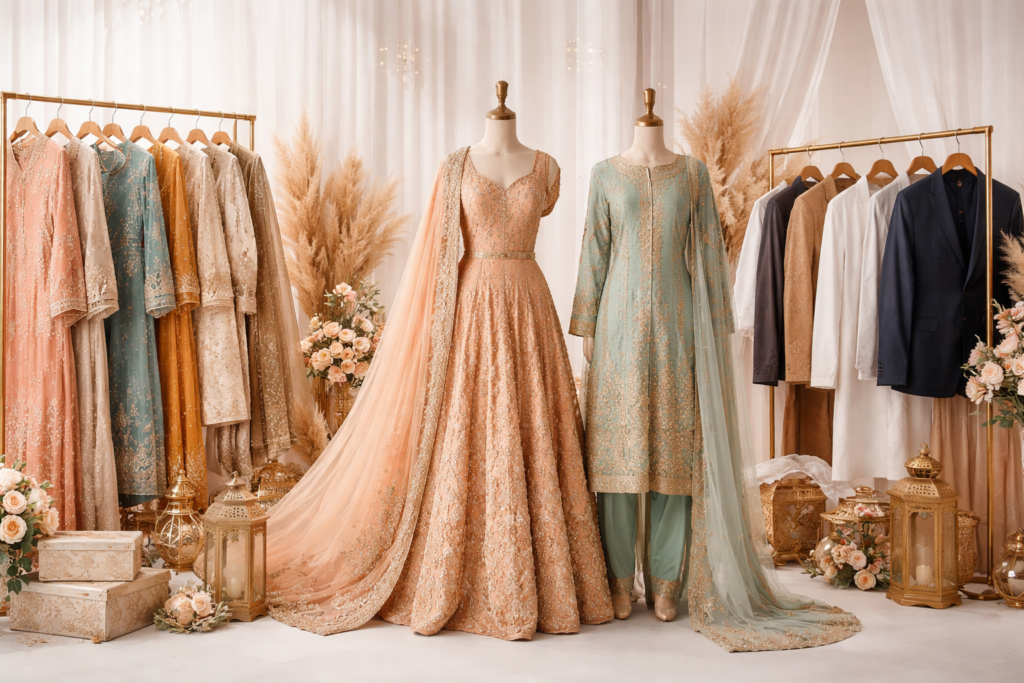
Starting an Asian clothing boutique in the USA is a highly profitable and culturally rich business opportunity. With the growing South Asian diaspora and increasing global interest in ethnic fashion, items like shalwar kameez, sarees, lehengas, and modest wear are in high demand across cities like New York, Houston, Chicago, and California.
This guide will walk you step-by-step through everything you need to know—from sourcing fabrics and suppliers to shipping, branding, and scaling your boutique successfully.
1. Understanding the Asian Clothing Market in the USA
Before launching your boutique, it’s important to understand your target market.
Asian clothing in the USA primarily caters to:
- Pakistani, Indian, Bangladeshi communities
- Muslim modest fashion buyers
- Wedding & festive shoppers
- Fusion fashion lovers (East meets West)
Demand peaks during:
- Eid seasons
- Wedding seasons
- Cultural festivals (Diwali, Ramadan, etc.)
The key to success is offering:
- Trendy designs
- Premium quality fabrics
- Fast delivery
2. Choosing Your Boutique Model
You need to decide how you want to run your business:
A. Online Boutique (Recommended)
- Shopify / WooCommerce store
- Lower startup cost
- Nationwide reach
B. Physical Store
- Higher investment
- Best for cities with large South Asian populations
C. Hybrid Model
- Online + showroom or studio
3. Selecting the Right Fabrics (Core of Your Business)
Asian clothing revolves around fabric quality. Your success depends heavily on sourcing the right materials.
Lawn Fabric (Summer Favorite)


6
- Lightweight and breathable
- Ideal for summer collections
- Highly popular in the USA among Pakistani communities
👉 Best for:
- Casual wear
- Daily outfits
- Budget-friendly collections
Chiffon Fabric (Luxury & Party Wear)


5
- Elegant and flowy
- Used in wedding & formal wear
👉 Best for:
- Bridal collections
- Party wear
- High-margin products
Khaddar Fabric (Winter Collection)


6
- Thick and warm
- Popular in colder regions of the USA
👉 Best for:
- Fall/Winter collections
- Premium seasonal launches
Cotton Fabric (All-Season Essential)


8
- Affordable and comfortable
- Year-round demand
👉 Best for:
- Basics
- Everyday wear
- Men’s kurtas
4. Finding Wholesale Suppliers & Understanding MOQ
Your supplier is the backbone of your boutique.
Key Supplier Options
1. Direct Asian Manufacturers
- Pakistan, India, Bangladesh
- Lowest cost
- High customization
👉 Example:
- MOQ starts from 30 suits for wholesale orders
2. Startup-Friendly Manufacturers
- Ideal for new brands
👉 Some manufacturers offer:
- MOQ as low as 100 pieces per design
- Private labeling
- Custom branding
3. US-Based Wholesale Platforms
- Faster delivery
- Easier returns
Popular platforms:
- Fashion marketplaces with 2000+ suppliers
- Boutique-friendly MOQs as low as 6–12 pieces per style
MOQ (Minimum Order Quantity) Explained
MOQ means the minimum quantity you must order.
Typical MOQs:
- Small startups: 30–100 pieces
- Standard wholesale: 100–300 pieces
- Large production: 500+
💡 Tip:
Start small to test demand, then scale.
5. Adding Men’s Wear (High Profit Segment)
Don’t ignore men’s fashion—it’s highly profitable.
Popular Categories:
- Shalwar Kameez
- Kurta Pajama
- Waistcoats
- Pent Coat / Uniforms
Why Add Men’s Wear?
- Less competition
- Repeat customers
- Bulk orders for weddings
👉 Uniforms and pent coats can also target:
- Schools
- Corporate clients
- Event organizers
6. Branding Your Boutique
Your brand is what makes you stand out.
Essentials:
- Logo & brand identity
- Packaging (luxury feel)
- Social media presence
Platforms to Focus On:
- Instagram (primary)
- TikTok (viral reach)
- Pinterest (fashion inspiration)
💡 Tip:
Use reels with models wearing your outfits.
7. Setting Up Your Online Store
Recommended tools:
- Shopify (best for beginners)
- WooCommerce (WordPress users)
Must-Have Features:
- High-quality product images
- Size guides
- Easy checkout
- Mobile optimization
8. Shipping & Delivery (Critical for USA Market)
Fast delivery is a major competitive advantage.
Popular Shipping Partners
- DHL
- FedEx
- SkyNet
Delivery Timelines:
- Express shipping: 3–7 days
- Standard international: 7–15 days
Many suppliers offer:
- Worldwide shipping via courier partners
- Fast fulfillment within 3–7 days for ready stock
Shipping Strategy
Option 1: Ship from Pakistan/Asia
- Lower cost
- Longer delivery time
Option 2: Stock in USA
- Faster delivery
- Higher upfront investment
💡 Best approach:
Hybrid model (bulk import + local shipping)
9. Pricing Strategy & Profit Margins
Typical pricing model:
| Cost Type | Example |
|---|---|
| Purchase Cost | $20 |
| Shipping | $5 |
| Total Cost | $25 |
| Selling Price | $50–$80 |
👉 Profit margin: 40%–60%
10. Marketing Your Boutique
Organic Marketing
- Instagram reels
- Influencer collaborations
- Customer testimonials
Paid Marketing
- Facebook Ads
- TikTok Ads
- Google Shopping
11. Scaling Your Business
Once you gain traction:
- Launch your own brand label
- Increase MOQ for better margins
- Expand product categories
- Offer custom stitching
12. Common Mistakes to Avoid
❌ Ordering too much stock initially
❌ Ignoring quality control
❌ Poor product photography
❌ Slow shipping times
❌ No branding strategy
13. Legal Requirements in the USA
To run legally:
- Register your business (LLC recommended)
- Get EIN (tax ID)
- Sales tax permit
- Trademark your brand (optional but recommended)
14. Future Trends in Asian Fashion
- Modest fashion boom
- Fusion wear (East + West)
- Sustainable fabrics
- Custom tailoring services
15. Final Thoughts
Starting an Asian clothing boutique in the USA is not just a business—it’s a powerful opportunity to connect culture with commerce. With the right fabrics, reliable suppliers, strong branding, and fast shipping, you can build a highly profitable fashion brand.
The key is:
- Start small
- Focus on quality
- Build trust
- Scale smartly
📢 Call to Action (CTA)
If you’re ready to launch your boutique:
👉 Order Bulk Today
👉 Contact a Trusted Supplier
👉 Start Your Asian Clothing Business Now
delivery improves customer satisfaction and repeat purchases.
1. How do I start an Asian clothing boutique in the USA?
Starting an Asian clothing boutique in the USA begins with market research and niche selection. Identify your target audience, such as South Asian communities or modest fashion buyers. Choose whether to sell online, open a physical store, or both. Next, find reliable wholesale suppliers offering fabrics like lawn, chiffon, khaddar, and cotton. Register your business, build an eCommerce website, and create a strong brand identity. Start with a small inventory to test demand. Focus on marketing through social media platforms like Instagram and TikTok to attract customers and build your brand presence effectively.
2. What fabrics should I stock in my boutique?
You should stock a mix of fabrics to meet year-round demand. Lawn and cotton are ideal for summer and everyday wear because they are breathable and affordable. Chiffon is perfect for formal and wedding collections due to its elegant and flowy texture. Khaddar is essential for winter collections, especially in colder US regions. Offering a balanced variety ensures you cater to different customer preferences and seasons. High-quality fabric selection is key to customer satisfaction and repeat business, so always prioritize quality when sourcing from suppliers.
3. What is MOQ and why is it important?
MOQ stands for Minimum Order Quantity, which is the smallest number of units a supplier requires you to purchase. It is important because it directly affects your startup cost and inventory risk. For new boutique owners, choosing suppliers with low MOQ (30–100 pieces) is ideal, as it allows you to test different designs without investing too much money. Higher MOQs usually offer lower per-unit costs but require larger capital. Understanding MOQ helps you manage inventory efficiently and avoid overstocking, especially in the early stages of your business.
4. Where can I find reliable wholesale suppliers?
Reliable wholesale suppliers can be found in countries like Pakistan, India, and Bangladesh, where Asian clothing is manufactured at scale. You can also explore US-based wholesalers for faster delivery. Look for suppliers that offer consistent quality, reasonable MOQ, and international shipping via services like DHL or FedEx. Always request samples before placing bulk orders to ensure quality standards. Building a long-term relationship with a trusted supplier can help you negotiate better pricing and maintain consistency in your product line.
5. Should I start with an online store or physical shop?
Starting with an online store is highly recommended for beginners because it requires lower investment and offers wider reach across the USA. Platforms like Shopify and WooCommerce make it easy to set up your boutique. A physical store, on the other hand, requires higher capital for rent, inventory, and staffing but works well in areas with large South Asian populations. Many successful boutiques begin online and later expand into physical locations. A hybrid model combining both can maximize your growth potential.
6. How do I price my Asian clothing products?
Pricing your products involves calculating your total cost, including purchase price, shipping, duties, and packaging. Once you know your cost, apply a markup of 2x to 3x depending on your brand positioning and target audience. For example, if a suit costs you $25, you can sell it for $50–$80. Premium collections like chiffon or bridal wear can have higher margins. Competitive pricing combined with good branding and quality helps attract customers while ensuring profitability for your boutique.
7. What shipping options should I use for the USA?
For shipping to the USA, reliable courier services like DHL, FedEx, and SkyNet are commonly used. These companies offer fast and secure delivery, typically within 3–7 working days for express shipping. If you are importing from Asia, consider bulk shipping to a US warehouse and then distributing locally for faster delivery. Offering multiple shipping options, including express and standard, improves customer satisfaction. Always provide tracking information so customers can monitor their orders and feel confident in your service.
8. How can I market my boutique effectively?
Marketing your boutique effectively requires a strong presence on social media platforms such as Instagram, TikTok, and Pinterest. Post high-quality images and videos of your products, including reels and try-on content. Collaborate with influencers in the South Asian and modest fashion niche to reach a wider audience. You can also run paid ads on Facebook and TikTok to drive traffic to your store. Email marketing and customer reviews also play a key role in building trust and encouraging repeat purchases.
9. Is men’s wear profitable in an Asian boutique?
Yes, men’s wear is a highly profitable segment in Asian clothing boutiques. Products like shalwar kameez, kurta pajama, waistcoats, and pent coats are always in demand, especially during weddings and religious events. Men’s fashion often has less competition compared to women’s wear, making it easier to stand out. Additionally, bulk orders for uniforms or wedding events can significantly increase your revenue. Including men’s collections in your boutique helps diversify your product range and attract a broader customer base.
10. How long does it take to grow a successful boutique?
Building a successful Asian clothing boutique typically takes 6–12 months, depending on your strategy, consistency, and marketing efforts. In the beginning, focus on testing products, understanding customer preferences, and building your brand identity. As you gain experience and customer trust, you can scale by increasing inventory, launching new collections, and expanding marketing campaigns. Consistency in quality, fast shipping, and strong customer service are key factors in long-term success. With the right approach, your boutique can become a profitable and sustainable business.
