
Sale!


Original price was: ₨16,000.00.₨15,000.00Current price is: ₨15,000.00.
Sale!

Original price was: ₨17,500.00.₨13,500.00Current price is: ₨13,500.00.
Sale!


Original price was: ₨16,000.00.₨13,000.00Current price is: ₨13,000.00.
Sale!


Original price was: ₨18,500.00.₨14,000.00Current price is: ₨14,000.00.
Sale!

Original price was: ₨14,000.00.₨12,000.00Current price is: ₨12,000.00.
Sale!

Original price was: ₨15,000.00.₨13,500.00Current price is: ₨13,500.00.
Sale!


Original price was: ₨16,000.00.₨12,500.00Current price is: ₨12,500.00.
Sale!


Original price was: ₨11,500.00.₨9,500.00Current price is: ₨9,500.00.
Sale!

Original price was: ₨14,000.00.₨9,500.00Current price is: ₨9,500.00.
Sale!


Original price was: ₨20,000.00.₨14,500.00Current price is: ₨14,500.00.
Sale!


Original price was: ₨19,000.00.₨14,000.00Current price is: ₨14,000.00.
Sale!


Original price was: ₨18,500.00.₨14,500.00Current price is: ₨14,500.00.
Sale!


Original price was: ₨14,500.00.₨12,500.00Current price is: ₨12,500.00.
Sale!


Original price was: ₨17,500.00.₨16,000.00Current price is: ₨16,000.00.
Sale!

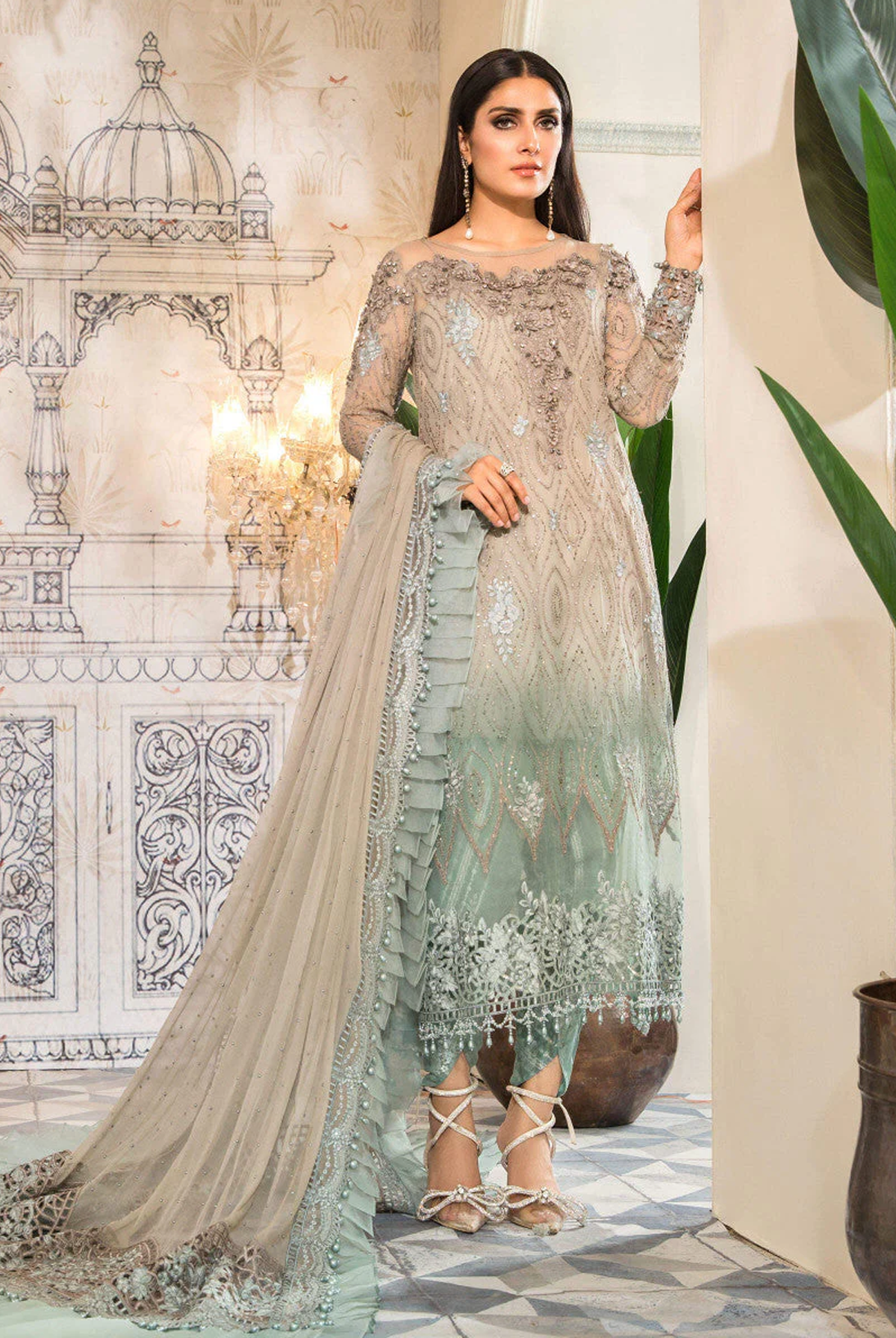
Original price was: ₨16,500.00.₨15,500.00Current price is: ₨15,500.00.
Sale!

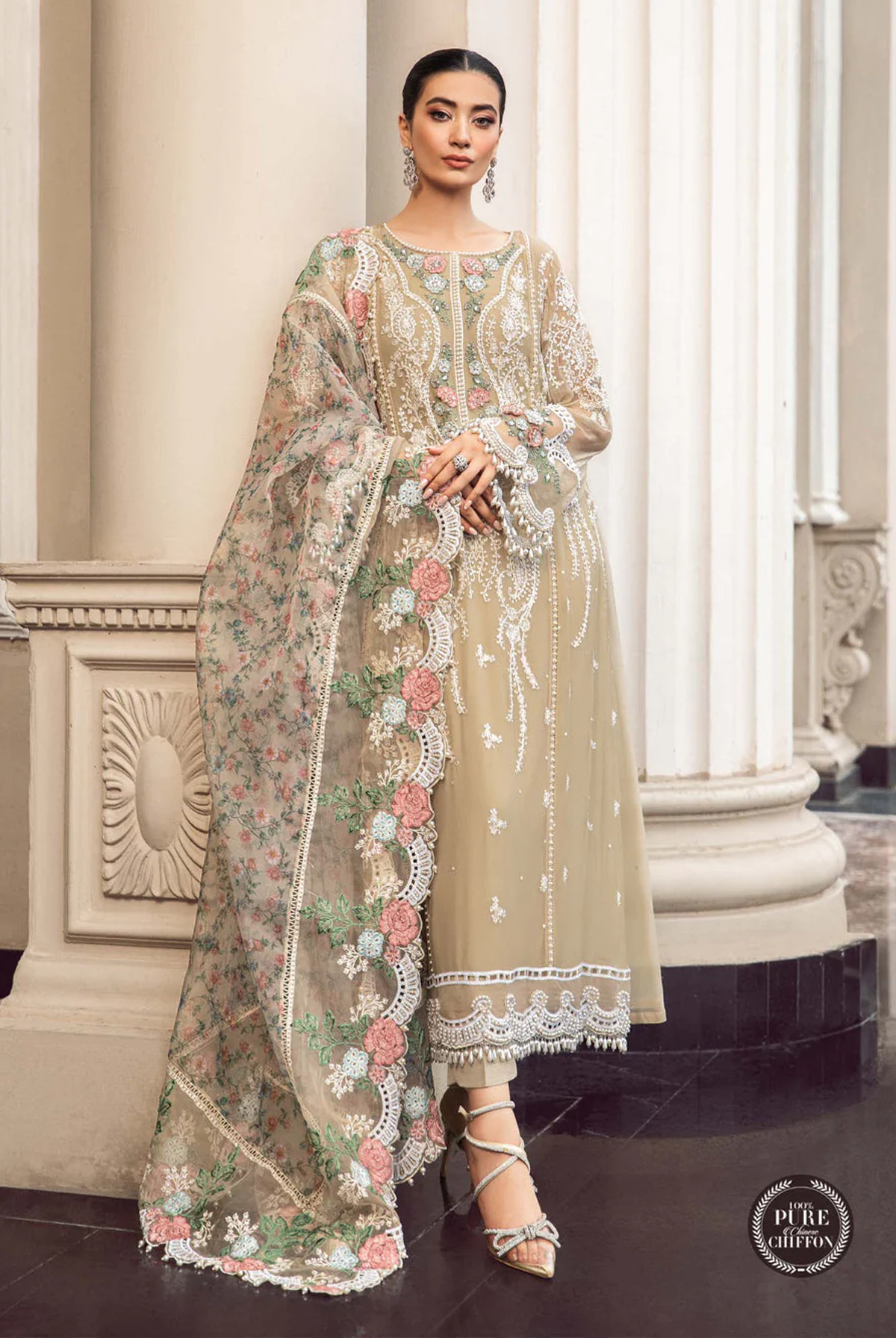
Original price was: ₨15,000.00.₨14,000.00Current price is: ₨14,000.00.
Sale!


Original price was: ₨16,500.00.₨15,000.00Current price is: ₨15,000.00.
Sale!


Original price was: ₨12,500.00.₨9,500.00Current price is: ₨9,500.00.
Sourcing Pakistani Clothing for Retailers in Chad | Mastorat
The international fashion market offers growing opportunities for retailers who want to introduce distinctive clothing, traditional designs, and versatile fabrics to their customers. Pakistani fashion has attracted attention across many international markets because of its embroidery, diverse textile traditions, carefully developed patterns, and collections suitable for everyday wear and special occasions. For retailers in Chad, exploring Pakistani clothing can provide an opportunity to diversify their product ranges and serve customers looking for something different from conventional ready-to-wear fashion.
Businesses researching a Pakistani Dress Wholesale Supplier Chad option generally want to understand where to source clothing, how wholesale pricing works, which product categories may suit their customers, and what to consider before placing an international order. These decisions require more than simply comparing catalog photographs. Buyers must evaluate fabric quality, garment construction, order quantities, shipping arrangements, payment terms, and the consistency of the supplier.
Mastorat provides a starting point for exploring Pakistani fashion and wholesale clothing categories. Retailers can use its website to research available collections, understand different sourcing options, and identify products that may fit their business model. Whether you operate a boutique, manage an online clothing store, or are planning a new retail venture, a thoughtful purchasing strategy can help you build a more organized and customer-focused clothing business.
This guide explains the Pakistani clothing wholesale market, product selection, supplier evaluation, international purchasing considerations, and practical ways to develop a sustainable retail operation in Chad.
Understanding the Pakistani Wholesale Clothing Market
Pakistan has an established textile and garment industry that includes fabric production, printing, embroidery, stitching, and finished clothing. This range of capabilities supports different fashion categories, from simple cotton outfits to elaborately decorated formal dresses. Wholesale clothing businesses commonly serve retailers that need multiple garments, coordinated collections, or recurring stock replenishment. Depending on the supplier, buyers may be able to choose stitched garments, unstitched fabric sets, ready-to-wear clothing, or selected designs produced in larger quantities. For international retailers, the main advantage of researching wholesale suppliers is the ability to compare product types and purchasing arrangements before committing to an order. A boutique focusing on formal fashion, for example, will have different requirements from a shop selling affordable everyday clothing. Buyers can begin exploring relevant categories through Pakistani Clothes Wholesale Suppliers, which provides a relevant starting point for researching wholesale clothing options. Before choosing a supplier, retailers should consider the following questions:- Does the collection match the preferences of the intended customers?
- Are fabric details and garment measurements clearly explained?
- Can the supplier confirm available stock and production lead times?
- Is the minimum order quantity suitable for the business?
- Are payment, delivery, and return conditions documented?
- Can the supplier provide recent product photographs or samples?
Why Pakistani Fashion May Interest Retailers in Chad
Chad has a diverse population with different clothing preferences, purchasing habits, and cultural influences. Retailers serving customers in N'Djamena and other commercial areas may explore a variety of clothing styles, including modest outfits, formal dresses, lightweight garments, and coordinated sets. Pakistani clothing offers several categories worth evaluating. Cotton outfits can be considered for everyday collections, while embroidered suits and formal dresses may appeal to customers shopping for celebrations and social gatherings. Unstitched fabric sets can also be relevant where customers prefer garments tailored to their individual measurements. However, product suitability should be assessed locally. Retailers should not assume that every design popular in Pakistan will automatically appeal to customers in Chad. Climate, fabric weight, garment length, color preferences, local purchasing power, and cultural expectations can all influence buying decisions. When researching a Pakistani Dress Wholesale Supplier Chad arrangement, retailers should focus on the products they can realistically sell rather than ordering a large assortment simply because a catalog contains many options. A practical approach is to begin with customer research. Speak with existing buyers, review the products competitors offer, and identify gaps in the local market. If customers frequently request lightweight clothing, prioritize breathable fabrics. If formalwear generates stronger interest, investigate embroidered and occasion-focused collections. This approach helps retailers build an inventory around demonstrated demand while reducing the risk of purchasing products that remain unsold.Popular Pakistani Clothing Categories for Wholesale Buyers
Pakistani fashion includes several product categories, each serving different customers and occasions. Understanding these differences makes it easier to develop a balanced inventory.Everyday Cotton and Lawn Suits
Cotton and lawn garments are widely associated with Pakistani clothing. These fabrics are commonly used in casual outfits, coordinated suits, and seasonal collections. For retailers in Chad, lightweight cotton products may be worth testing where customers prefer comfortable clothing for regular use. The actual suitability depends on the fabric's weight, weave, finishing, and construction, so buyers should request accurate specifications before ordering. Unstitched sets can offer flexibility to customers who prefer customized tailoring. Ready-to-wear alternatives may suit buyers who want convenient outfits without arranging additional stitching.Embroidered Formal Dresses
Formal dresses often feature decorative stitching, patterned fabrics, lace, embellishments, or coordinated dupattas. Their appearance can make them suitable for parties, family celebrations, and other special occasions. Retailers can explore Pakistani Designer Dresses to research formal clothing styles and understand the range of designs available in Pakistani fashion. When purchasing these garments, inspect the quality of embroidery, seam finishing, lining, closures, and embellishment attachment. Detailed photographs and sample garments can help buyers assess construction before placing a larger order.Designer Suits
Designer suits combine coordinated fabrics, cuts, and decorative elements to create complete outfits. Depending on the collection, they may be suitable for festive occasions, formal gatherings, or customers seeking more distinctive clothing. The Pakistani Designer Suits category is another useful reference for researching this segment. Retailers should compare the actual garment specifications rather than judging products by photographs alone. Differences in fabric composition, stitching, embellishments, and included accessories can affect both the selling price and customer satisfaction.Unstitched Dress Materials
Unstitched dress materials allow customers to choose their own tailoring style. A set may include fabric for the main garment, a matching dupatta, and additional decorative material, depending on the product. This category can be useful for retailers whose customers prefer personalized fits or have established relationships with local tailors. Buyers should confirm the quantity and dimensions of every included fabric piece. Clear product descriptions help prevent misunderstandings about what is included in each set. Retailers can review Pakistani Dress Material Wholesale when researching this product category.Bridal and Occasionwear
Bridal clothing and elaborate occasionwear represent a specialized segment of the market. These garments may include extensive embroidery, decorative fabrics, multiple components, and more complex finishing. Because production costs and quality expectations can be higher, retailers should approach this category carefully. It may be more suitable for businesses with customers who specifically request premium outfits than for stores focused on low-cost everyday clothing. A limited selection, supported by clear product photographs and accurate descriptions, can help retailers evaluate demand without committing too much capital to expensive inventory.Ready-to-Wear Collections
Ready-to-wear clothing offers convenience because customers can purchase finished garments without arranging tailoring. This category may include casual suits, formal outfits, tunics, and coordinated clothing sets. Retailers should request size charts that specify actual garment measurements. Sizing conventions can vary between manufacturers, so relying only on labels such as small, medium, and large may lead to avoidable fit problems. A well-planned collection can include a combination of everyday products, selected formal designs, and a smaller number of premium pieces.How to Research Wholesale Suppliers
Finding a suitable supplier requires more than identifying a business that advertises wholesale clothing. Retailers should evaluate the supplier's communication, product information, commercial terms, and ability to meet their requirements.Review the Product Catalog
Start by examining the available catalog. Look for clear images, fabric descriptions, color options, sizing information, and details about included accessories. A useful catalog should help buyers understand what they are purchasing without relying on vague descriptions. If a product listing does not explain the fabric composition or stitching status, request clarification before ordering. Retailers can also compare product categories through Pakistani Dress Wholesale Online to support their initial research.Confirm Minimum Order Quantities
Some wholesalers accept small mixed orders, while others require buyers to purchase multiple units of the same design. Minimum order quantities can influence how much money a retailer needs to invest before making the first sale. Ask whether different sizes, colors, or designs can be combined in one order. Also confirm whether minimum quantities apply to each product or to the overall purchase. Small businesses often benefit from starting with a manageable assortment and expanding once they have reliable sales information.Request Samples When Practical
Samples provide a more realistic understanding of a garment's quality than photographs alone. They allow buyers to examine the fabric, stitching, finishing, color, and overall fit. If samples are available, ask whether the sample price can be credited against a later bulk purchase. Confirm the sample's delivery cost and expected arrival date before proceeding. For products with elaborate embroidery or several coordinated components, sample inspection can be particularly valuable.Verify Business Information
Before sending payment, confirm the supplier's legal business details where available, business contact information, invoice arrangements, and payment terms. Look for consistent communication and written responses to commercial questions. Be cautious of sellers who pressure buyers to pay immediately, refuse to explain their terms, or make promises that cannot be documented. Retailers should also check the applicable payment protections and dispute procedures offered by their chosen payment provider.Compare Several Quotations
Request quotations from more than one supplier when possible. Compare the garment price, minimum quantity, packaging, sample charges, shipping, and expected delivery time. The lowest quoted price does not necessarily represent the best overall value. A slightly higher garment price may be more reasonable if the supplier offers clearer specifications, better finishing, or more dependable communication.Wholesale Sourcing Options Through Mastorat
Retailers researching Pakistani fashion can use Mastorat's website to explore clothing categories and relevant wholesale information. Its pages cover different aspects of Pakistani clothing, including dress materials, designer collections, online purchasing, and regional wholesale markets. For example, Pakistani Dress Wholesale Market can be used as a starting point for researching wholesale market considerations, while Pakistani Catalogue Dress Wholesale is relevant to buyers exploring catalog-based collections. The website also has pages covering Pakistani Dress Wholesale in Pakistan and Pakistani Clothes Wholesale Suppliers UK. These pages can help readers investigate different sourcing topics and compare how wholesale clothing is presented across markets. Retailers should distinguish between researching a supplier and confirming a transaction. A website page alone does not establish current inventory, export availability, shipping costs, or delivery schedules. Those details should be confirmed directly with the relevant business before an order is placed. For Chad-based buyers, this verification step is especially important because the final cost and delivery process depend on the seller's location, shipping arrangements, and the import requirements applicable to the goods.Understanding International Clothing Supply Chains
International clothing orders can pass through several stages between the manufacturer and the retailer. Understanding these stages helps buyers estimate costs, plan inventory, and ask more precise questions.Manufacturing and Product Preparation
The process begins with garment production or stock selection. Depending on the supplier, clothing may be manufactured in-house, purchased from partner factories, or sourced from established brands and distributors. Before production begins, buyers should agree on design details, fabric specifications, sizes, colors, quantities, and acceptable quality standards. If an order contains customized products, obtain written confirmation of the final specifications. Changes made after production starts can affect the cost and delivery schedule.Packing and Export Preparation
Once the garments are ready, the seller prepares the shipment according to the agreed order. Buyers should confirm carton quantities, packaging standards, product labeling, and the commercial documents that will accompany the goods. For larger orders, it is helpful to receive a packing list showing the quantities and product categories in each package. This makes it easier to compare the delivered shipment with the purchase order.International Transportation
Depending on the shipment size, urgency, destination, and available services, clothing may be transported by air freight or through a sea-and-land combination. Air freight can be useful for smaller or time-sensitive orders, although its cost may be higher. Sea freight can be more economical for some larger consignments but may involve longer transit times and additional handling. Retailers should request a written shipping quotation that identifies what is included and what remains their responsibility.Customs Clearance and Local Delivery
International shipments entering Chad may require customs documentation, duties, taxes, and clearance procedures. The exact requirements depend on the products, their declared value, origin, shipment arrangement, and applicable regulations. Before dispatch, buyers should consult a qualified customs broker or relevant authority to understand the documents and charges involved. It is also important to clarify whether the seller is responsible for arranging transportation only or whether the agreed service includes additional delivery and import-related responsibilities. Never assume that a quoted shipping price covers every charge.Choosing the Right Shipping Arrangement for Chad
Shipping should be considered during product selection rather than after the order has been finalized. Transportation expenses can significantly change the total cost of a garment, particularly when a retailer imports a relatively small quantity. For example, a low-priced dress may become less competitive after international freight, insurance where applicable, customs charges, and local delivery costs are added. When discussing a Pakistani Dress Wholesale Supplier Chad arrangement, ask the seller for the proposed shipping method, estimated transit time, available tracking, packaging details, and responsibilities for customs documentation. The following factors can help determine the most appropriate arrangement:- Shipment size: Smaller orders may be easier to handle through courier or air cargo services.
- Urgency: Time-sensitive stock may require a faster service.
- Product value: Higher-value consignments may justify additional attention to insurance and shipment security.
- Destination: Delivery options and costs may differ between major cities and more remote locations.
- Import requirements: Documentation should be prepared according to the applicable customs rules.
Exploring International Wholesale Markets
International distribution networks can give retailers additional options when researching Pakistani clothing. However, the presence of a wholesale market in another country does not automatically mean that it is the most convenient or affordable source for a buyer in Chad.United Arab Emirates
The UAE is an established commercial and logistics center connecting businesses across Asia, Africa, and the Middle East. Retailers may investigate UAE-based distributors when they need access to available stock or prefer dealing with a regional trading business. Mastorat's Pakistani Dress Wholesale in Dubai page is relevant to this sourcing route. Before purchasing through an intermediary, compare its garment prices, delivery charges, stock availability, and documentation with the terms offered by other suppliers.Turkey
Turkey has a substantial apparel and textile sector and is another market that international clothing buyers may investigate. The suitability of a Turkish distributor depends on whether it actually carries the desired Pakistani products and can supply them on acceptable terms. Retailers can explore Pakistani Dress Wholesale Supplier Turkey for related sourcing information.United Kingdom
The UK has businesses serving customers interested in South Asian clothing. Some retailers may find it useful to investigate distributors offering relevant garments or established brands. The Pakistani Clothes Wholesalers Manchester and Pakistani Clothes Wholesalers Bradford pages provide additional points of reference. However, buyers should confirm whether any particular wholesaler exports to Chad and whether purchasing through the UK offers a commercial advantage over sourcing elsewhere.United States
US-based clothing distributors may provide access to particular brands, designer collections, or specialized product ranges. Their suitability depends on stock, export arrangements, and the final cost of delivery. Retailers can review Pakistani Dress Wholesale in USA when comparing international sourcing options. The best route is the one that meets the retailer's requirements for product quality, total cost, order flexibility, and delivery reliability.Understanding Wholesale Pricing and Total Costs
Wholesale prices vary according to the type of garment, materials, manufacturing process, order quantity, and supplier. A basic cotton suit will generally have a different cost structure from a heavily embroidered formal dress. Retailers should ask for a detailed quotation rather than relying on a single advertised price.Product and Manufacturing Costs
Fabric quality, embroidery, stitching, lining, embellishments, and finishing all influence the cost of a garment. Custom colors or special production requirements may also increase the price. Buyers should compare products with similar specifications. Comparing an unstitched fabric set with a fully stitched outfit, for example, may produce a misleading picture of the available value.Order Quantity and Discounts
Some suppliers offer different unit prices at different order quantities. However, purchasing additional stock only makes sense when there is a reasonable expectation of selling it. A larger order can reduce the price per garment but may increase storage requirements and the amount of money tied up in inventory. Small businesses should evaluate whether the potential saving outweighs the risk of holding unsold products.Freight, Customs, and Other Charges
The final cost of imported clothing may include transportation, packaging, insurance, customs duties, applicable taxes, clearance fees, and local delivery. These expenses should be considered before calculating a retail price. Retailers can also investigate Pakistani Dress Wholesale in Mumbai and other market-related resources to understand different wholesale sourcing contexts. Any comparison should account for differences in shipping distance, supplier terms, and applicable import charges.Calculating a Sustainable Selling Price
A retailer should calculate the landed cost of the order before deciding what customers will pay. For example, divide the total cost of the shipment and associated import expenses by the number of saleable garments to estimate the average landed cost per unit. Then account for local operating expenses, payment processing, packaging, marketing, and any expected returns. The resulting price should reflect both the business's costs and what customers are willing to pay. A clear calculation is more useful than assuming that every imported garment will generate a large profit margin.Quality Control Before and After Delivery
Consistent product quality is essential for building customer confidence. Clothing that looks attractive in a catalog but arrives with inconsistent sizing, loose stitching, damaged embellishments, or incorrect colors can create unnecessary business expenses. Retailers should establish a simple quality-control process before placing repeat orders.Inspect Fabric and Construction
Check whether the fabric matches the agreed specification. Examine stitching, seam strength, hems, closures, lining, and decorative details. For embroidered garments, verify that embellishments are secure and that the finished design is consistent with the approved sample.Confirm Measurements and Sizes
Ask the supplier for a size chart with actual measurements. If a garment is intended to be sold as a ready-to-wear product, verify that the measurements correspond to the finished garment rather than a general sizing label. Where possible, inspect a sample before approving a larger production run.Verify Colors and Product Components
Color differences can occur between digital images and physical fabrics because of lighting, screens, and production variations. Request clear photographs and written color descriptions. Confirm whether the order includes a dupatta, trousers, lining, accessories, or other components. A detailed product list can help prevent disputes when the shipment arrives.Keep Records of Defects
When goods arrive, compare the shipment with the purchase order and packing list. Document missing items, damaged garments, or other discrepancies promptly. Photographs, invoices, product specifications, and written supplier communications provide useful evidence when requesting a correction or discussing a future order.Managing Inventory for a Clothing Business in Chad
A successful wholesale purchase is only the beginning of the retail process. Businesses also need to manage inventory so that popular products remain available without accumulating excessive unsold stock.Start with a Focused Collection
New retailers may benefit from selecting a small group of products across a few clear categories. For example, an initial assortment might include everyday suits, a limited number of formal outfits, and several unstitched fabric options. This makes it easier to evaluate customer preferences and identify the products worth restocking.Monitor Sales by Product Type
Record how many units sell, how long products remain in stock, and which price ranges attract the most interest. Even a basic spreadsheet can help identify patterns. Retailers should distinguish between products that sell quickly and those that generate higher revenue but move more slowly.Plan Seasonal Purchases
Special occasions and seasonal changes may influence clothing demand. Retailers should review their own sales history and ask customers about upcoming needs before increasing purchases. Avoid ordering large quantities based solely on assumptions about a seasonal trend.Maintain a Restocking Budget
Reserve part of the business budget for replenishing products that demonstrate consistent demand. This is often more practical than spending the entire purchasing budget on an initial shipment. Keeping adequate cash available for transport, local expenses, and future orders can make the business more resilient when sales fluctuate.Marketing Pakistani Clothing to Local Customers
A well-selected collection needs clear presentation to attract customers. Retailers in Chad can use both physical and digital channels, depending on their customer base and available resources.Use Clear Product Photography
Photographs should show the garment's color, fabric texture, embroidery, and overall shape. Include close-up images where decorative details are important. If possible, provide accurate information about fabric composition, garment measurements, included components, and care instructions.Build a Useful Online Catalog
A simple online catalog can help customers compare designs before visiting a shop or placing an order. Organize products by category, occasion, price range, and availability. Retailers using social media or messaging services should keep product information current and explain how customers can confirm orders.Explain the Value of Each Product
Customers may need help understanding the differences between stitched and unstitched clothing, cotton and chiffon, or everyday and formal collections. Clear descriptions can make purchasing decisions easier without exaggerating quality or promising results that cannot be guaranteed.Encourage Genuine Customer Feedback
After a completed purchase, invite customers to share their experience voluntarily. Feedback can help retailers identify issues with sizing, fabric, delivery, or product presentation. Use genuine reviews and obtain appropriate permission before publishing customer photographs or personal details.Common Challenges in International Wholesale Purchasing
Importing clothing can create opportunities, but it also introduces risks that should be addressed before payment and dispatch.Unclear Product Specifications
A brief description may leave important questions unanswered. Buyers should request details about fabric, measurements, stitching, and included components before confirming an order.Unpredictable Delivery Timelines
International shipping can be affected by transport availability, customs processing, weather, and other operational factors. Treat delivery estimates as estimates unless the agreement provides a specific commitment.Unexpected Import Costs
A quotation may exclude certain duties, taxes, clearance fees, or local delivery charges. Obtain a clear breakdown and confirm local requirements before ordering.Supplier Communication Problems
Delayed responses or inconsistent information can make it difficult to resolve issues. Keep important agreements in writing and avoid making large commitments when basic commercial questions remain unanswered.Excessive Inventory
Ordering too many garments can tie up working capital and increase storage costs. Use customer research and sales records to guide purchasing decisions.Payment and Fraud Risks
Verify the seller's identity and payment instructions before transferring money. Be especially careful if bank details change unexpectedly or a seller requests payment through an unusual channel without a clear explanation. A documented purchasing process helps retailers manage these challenges more effectively.Building Long-Term Supplier Relationships
A reliable business relationship develops through clear expectations, consistent communication, and fair handling of problems. Retailers should provide accurate order requirements, confirm specifications before production, and make payments according to the agreed terms. Suppliers, in turn, should communicate stock availability, pricing changes, production delays, and shipping arrangements clearly. After the first order, evaluate the supplier using practical criteria:- Did the garments match the agreed specifications?
- Were quantities and product components correct?
- Was communication clear throughout the order?
- Were the shipping documents supplied as agreed?
- Were problems handled professionally?
- Did the final landed cost match the purchasing budget?