
Sale!
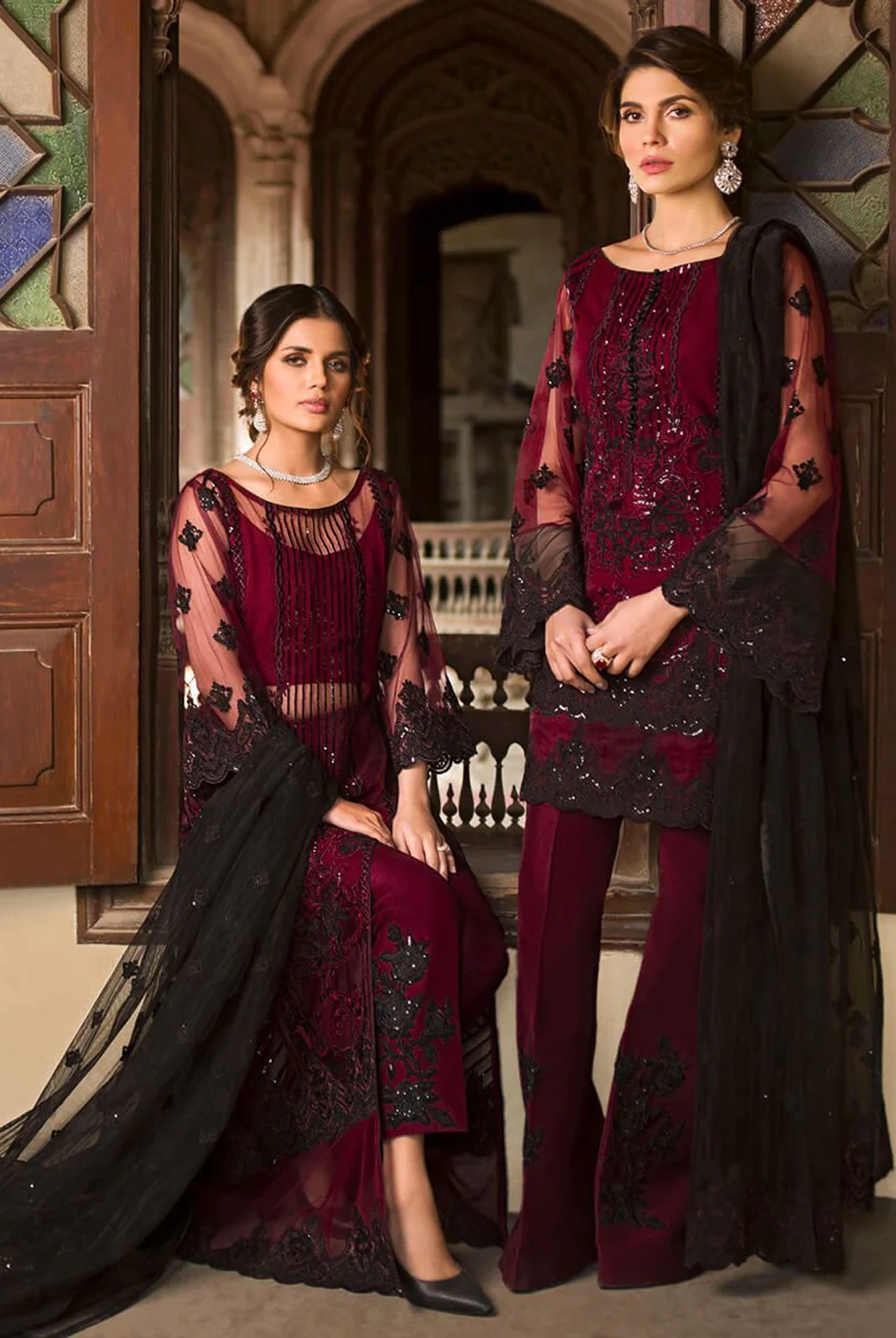

Original price was: ₨17,500.00.₨13,500.00Current price is: ₨13,500.00.
Sale!


Original price was: ₨16,000.00.₨13,000.00Current price is: ₨13,000.00.
Sale!


Original price was: ₨18,500.00.₨14,000.00Current price is: ₨14,000.00.
Sale!

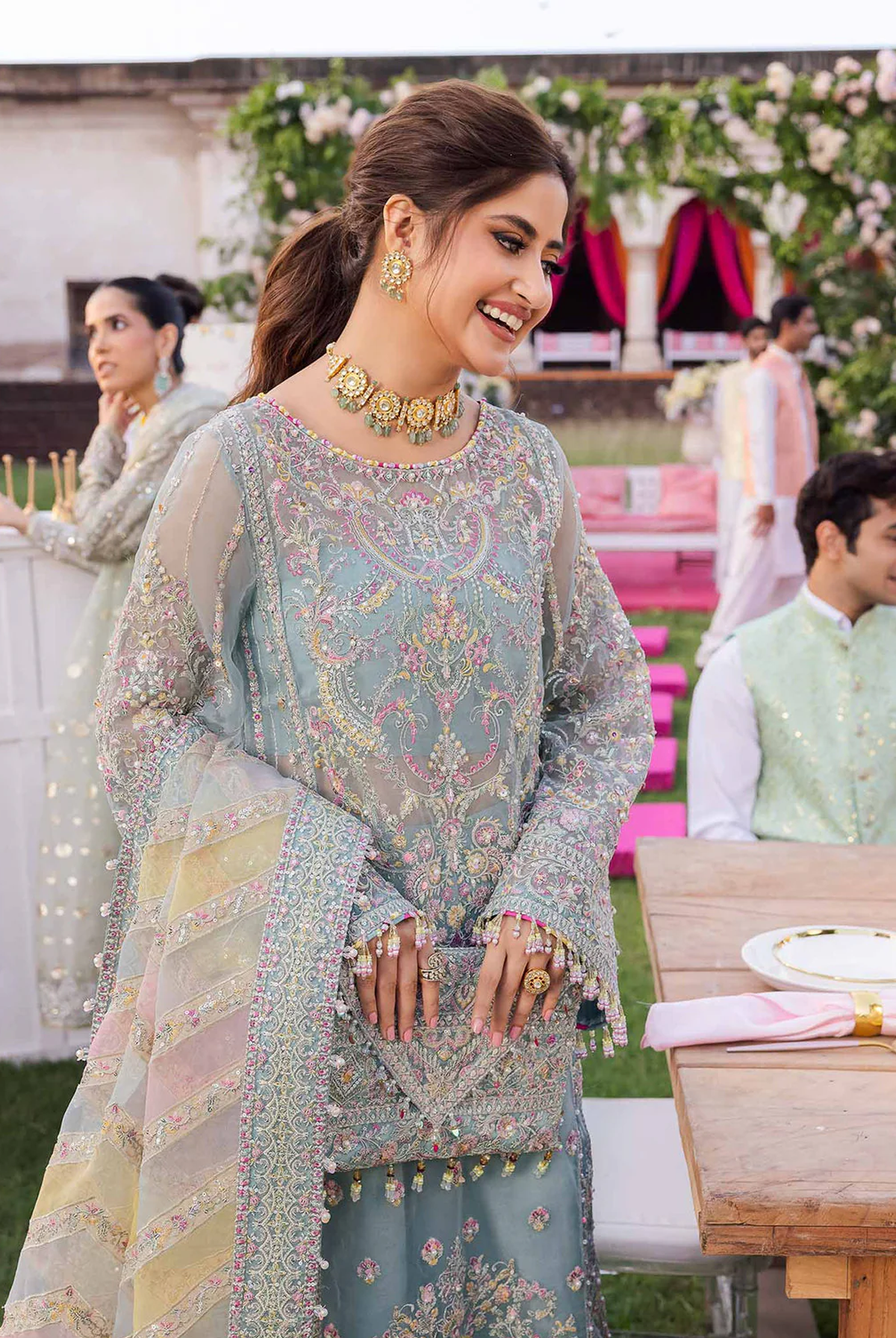
Original price was: ₨14,000.00.₨12,000.00Current price is: ₨12,000.00.
Sale!
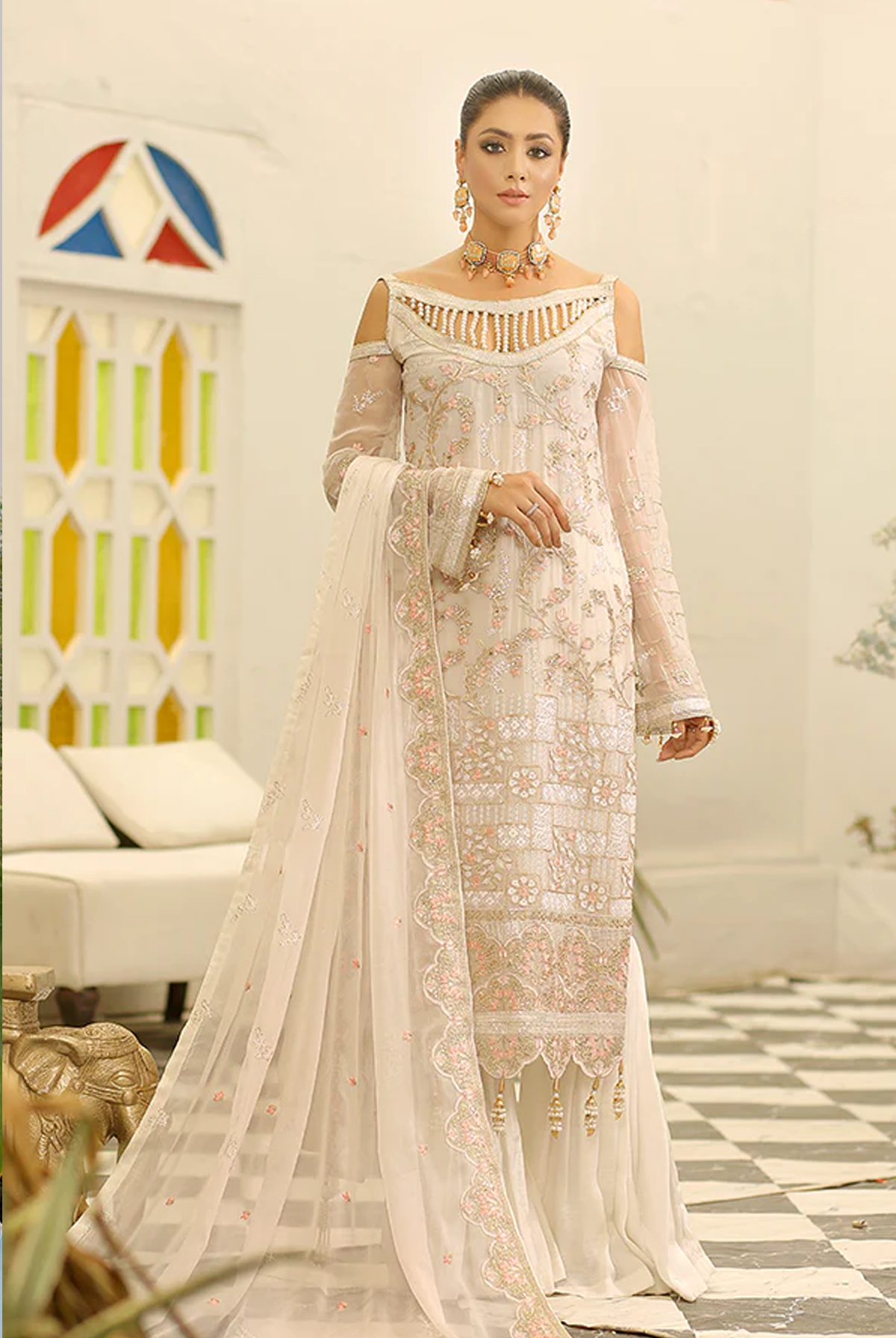

Original price was: ₨15,000.00.₨13,500.00Current price is: ₨13,500.00.
Sale!


Original price was: ₨16,000.00.₨12,500.00Current price is: ₨12,500.00.
Sale!


Original price was: ₨17,500.00.₨15,500.00Current price is: ₨15,500.00.
Sale!
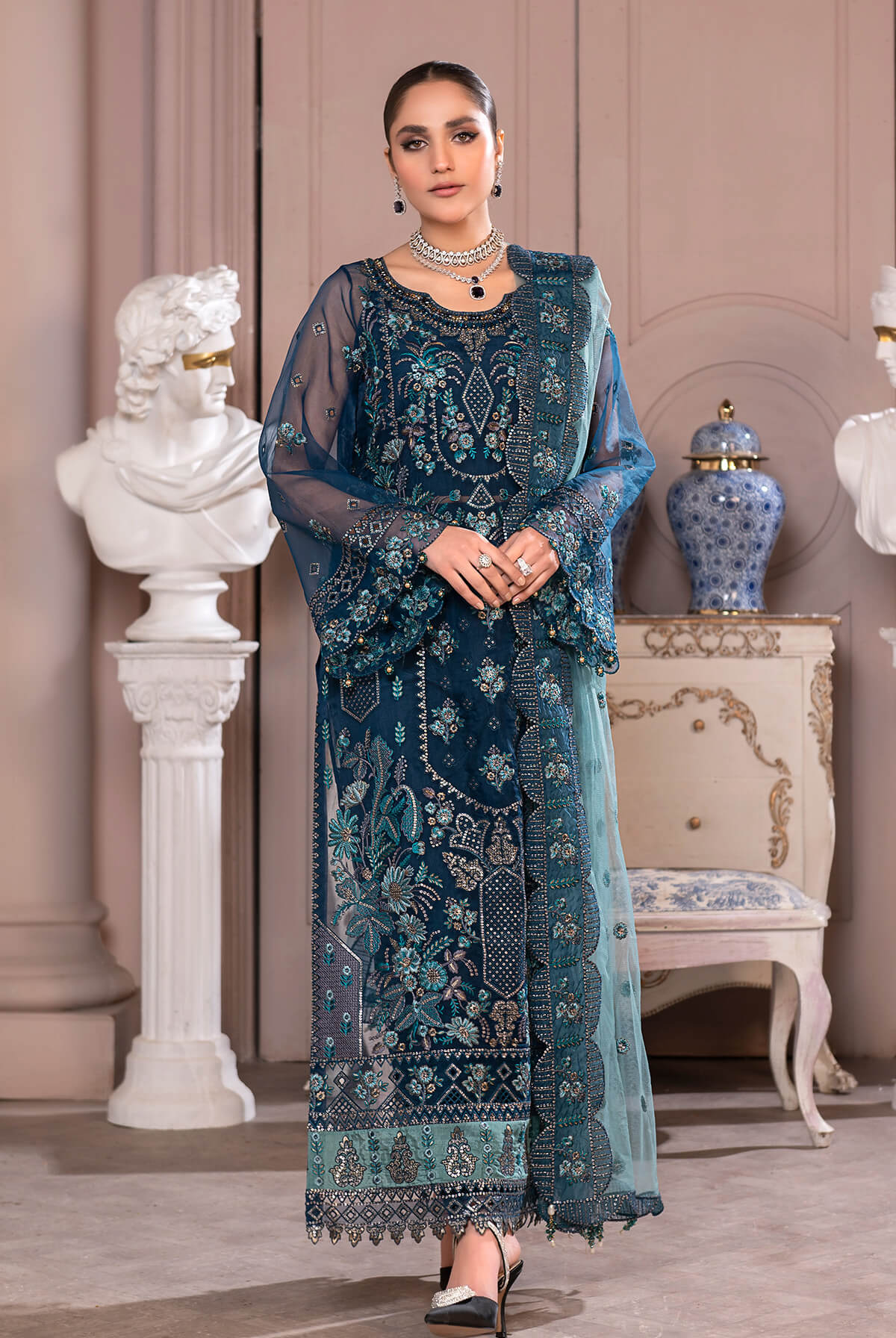

Original price was: ₨14,000.00.₨9,500.00Current price is: ₨9,500.00.
Sale!


Original price was: ₨16,000.00.₨14,000.00Current price is: ₨14,000.00.
Sale!


Original price was: ₨19,000.00.₨14,000.00Current price is: ₨14,000.00.
Sale!


Original price was: ₨16,500.00.₨15,000.00Current price is: ₨15,000.00.
Sale!


Original price was: ₨15,000.00.₨11,500.00Current price is: ₨11,500.00.
Sale!

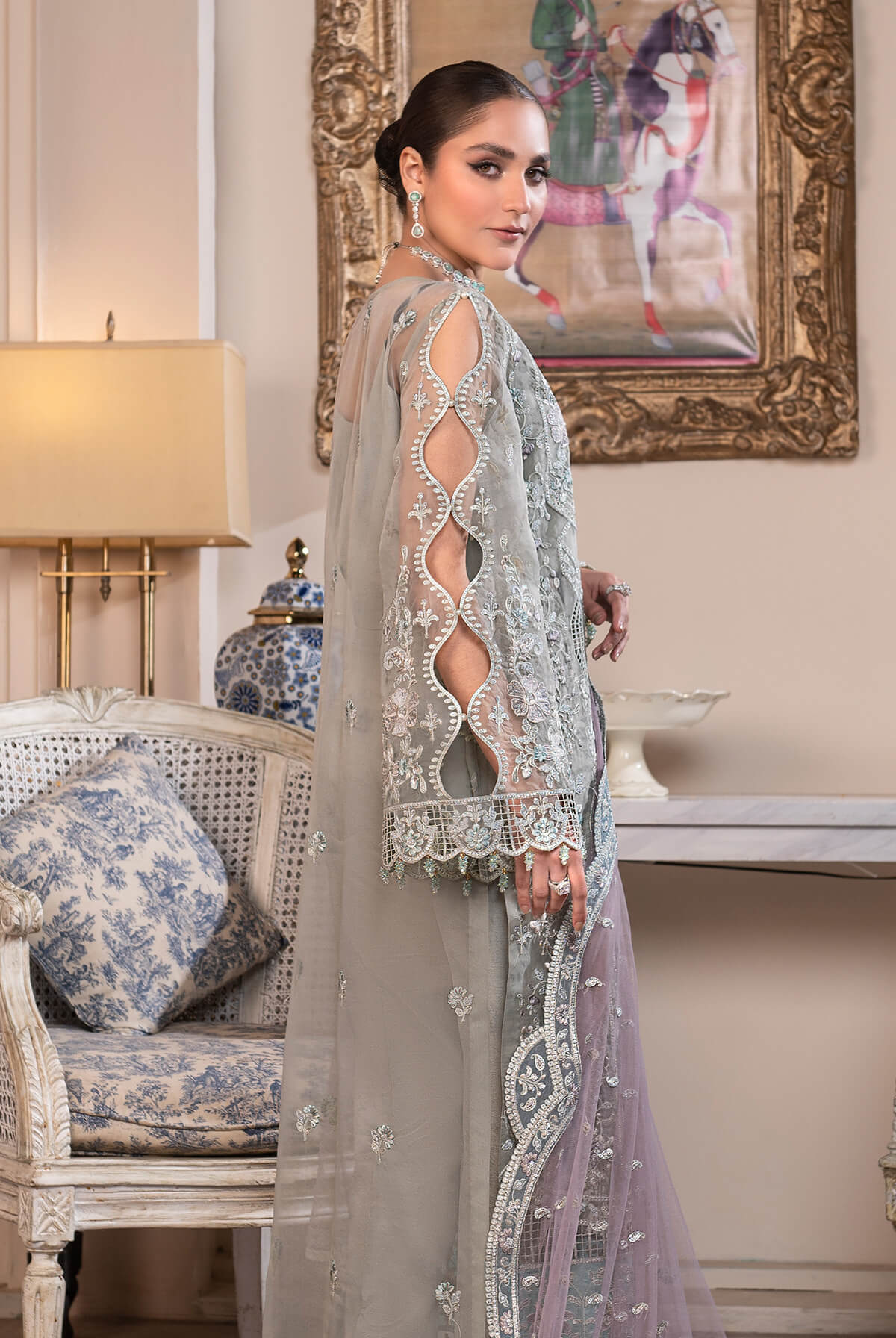
Original price was: ₨14,000.00.₨11,500.00Current price is: ₨11,500.00.
Sale!


Original price was: ₨15,500.00.₨13,500.00Current price is: ₨13,500.00.
Sale!


Original price was: ₨13,500.00.₨12,500.00Current price is: ₨12,500.00.
Pakistani Dress Wholesale Supplier Argentina | Mastorat
Pakistani clothing has earned international recognition for its detailed embroidery, distinctive prints, elegant silhouettes, and combination of traditional craftsmanship with contemporary fashion. From comfortable everyday suits to sophisticated formal outfits and elaborate bridal collections, Pakistani fashion offers a diverse range of products for retailers serving different customer preferences. This variety creates opportunities for international clothing businesses looking to introduce distinctive designs to their local markets.
Argentina has a diverse fashion culture influenced by European traditions, Latin American styles, contemporary trends, and international retail developments. For boutiques, independent retailers, online stores, and specialist clothing businesses, introducing Pakistani outfits can provide an opportunity to expand beyond conventional clothing collections. These garments may appeal to customers interested in cultural fashion, embroidered clothing, special-occasion outfits, and distinctive textile designs.
Mastorat provides a platform for exploring Pakistani clothing collections and wholesale sourcing opportunities. Retailers can use the available product information to research different garment categories, compare styles, and consider which products may fit their business requirements.
Successful international sourcing involves more than finding attractive garments. Buyers must also consider fabric quality, sizing, pricing, order quantities, delivery arrangements, import expenses, and the preferences of their intended customers. A clear sourcing strategy can help businesses make informed decisions and build a collection that suits their market.
This guide explores how retailers in Argentina can approach Pakistani clothing wholesale, select suitable products, evaluate quality, plan international shipping, and develop a practical inventory strategy.
Businesses researching additional destinations can also explore Pakistani Dress Wholesale Supplier USA and Pakistani Clothes Wholesale Suppliers UK for broader international sourcing information.
Understanding Argentina's Fashion Retail Market
Argentina has an established fashion culture in which clothing choices reflect personal style, seasonal conditions, social occasions, and changing consumer preferences. Retailers operate across a variety of segments, including everyday apparel, designer clothing, formalwear, boutique fashion, and online retail. For businesses considering Pakistani garments, the first step is understanding where these products might fit within the existing market. Not every customer will be familiar with South Asian fashion, so retailers should consider how to present the clothing in a way that communicates its design, purpose, fabric, and styling options. Buenos Aires offers a broad retail environment, while businesses in Córdoba, Rosario, and other cities may serve different customer groups and purchasing patterns. Online stores can also reach customers beyond their immediate location, although they need effective product descriptions, accurate sizing information, and reliable delivery arrangements. Retailers should avoid assuming that demand will be identical across Argentina. Customer interest may vary depending on the business's location, audience, price range, and marketing approach. A practical way to assess potential demand is to research local competitors, review customer enquiries, examine online shopping trends, and speak with potential customers. Businesses can also introduce a limited selection of products to evaluate interest before expanding their inventory. This approach helps retailers identify the most relevant styles instead of investing heavily in a broad collection without sufficient market information.Why Pakistani Fashion May Appeal to International Buyers
Pakistani clothing combines traditional textile techniques with a wide range of contemporary designs. Depending on the collection, garments may feature printed cotton, decorative embroidery, coordinated fabrics, elegant cuts, and detailed finishing. This variety allows retailers to serve different customer needs. Simple outfits can appeal to shoppers looking for versatile everyday clothing, while embroidered garments may attract customers preparing for celebrations, formal events, or cultural occasions. Several characteristics make these collections worth exploring for international retail businesses. Distinctive craftsmanship: Embroidery, decorative stitching, and carefully coordinated designs can give garments a recognisable appearance. Variety of fabrics: Pakistani clothing collections may include cotton, lawn, chiffon, silk blends, and other materials suited to different styles and occasions. Different price segments: Retailers can investigate products at various price points, depending on fabric, design complexity, finishing, and supplier terms. Traditional and contemporary styling: Many collections combine established design traditions with modern silhouettes and colour combinations. Options for different occasions: Everyday suits, festive clothing, formal outfits, and bridal garments allow retailers to build a collection around a specific customer group. These characteristics do not guarantee demand in every location. Retailers should select products according to their customers' preferences and the commercial conditions of their business. For UK-focused sourcing research, visit Pakistani Clothes Wholesale Suppliers UK.Exploring Mastorat as a Wholesale Sourcing Platform
Mastorat can be explored by businesses researching Pakistani clothing collections for wholesale purchasing. The platform provides a starting point for identifying garment categories and considering products that may suit a boutique, online store, or specialist fashion retailer. For buyers in Argentina, the sourcing process should begin with a clear list of requirements. These may include the type of clothing needed, the expected price range, preferred fabrics, available sizes, and the quantity the business can realistically sell. Retailers should review the current product information and confirm the details of any intended purchase. Product availability, prices, order conditions, and shipping arrangements should be checked directly rather than assumed from general descriptions. When evaluating a potential supplier, businesses should consider:- The range of products available.
- The clarity of product descriptions and measurements.
- The consistency of fabric and garment specifications.
- Minimum order quantities and bulk pricing.
- Payment arrangements and order confirmation procedures.
- Dispatch timelines and international delivery options.
- The process for reporting damaged or incorrect products.
Product Categories for Argentine Retailers
A well-planned clothing collection usually includes products selected for a particular customer group or shopping occasion. Pakistani fashion offers several categories that retailers can evaluate when developing their assortment.Casual Suits and Everyday Clothing
Casual Pakistani outfits may include printed cotton suits, lawn garments, simple embroidered shirts, and ready-to-wear clothing. These products can be suitable for customers who prefer practical garments with distinctive patterns and traditional design elements. For Argentina-based retailers, it is important to consider local seasonal conditions. Lightweight materials may be useful during warmer periods, while layering options and different fabric weights may be more relevant at other times of the year. Retailers should review the exact fabric composition, garment construction, and care instructions before selecting products. They should also check whether the outfit includes a shirt, trousers, dupatta, or other components. A carefully selected casualwear collection can include different colours, prints, and silhouettes without requiring an unnecessarily large inventory. Starting with a manageable assortment allows businesses to learn which styles customers prefer.Formal and Embroidered Outfits
Formal Pakistani clothing often features decorative embroidery, coordinated colours, textured fabrics, and more detailed finishing. Depending on the design, these outfits may be appropriate for weddings, parties, evening gatherings, and other special occasions. Retailers can consider offering a range of formality levels. Some customers may prefer subtle embroidery and simple silhouettes, while others may look for more elaborate garments. When choosing formalwear, buyers should inspect embroidery placement, stitching quality, fabric weight, and finishing details. Product photographs can help with initial selection, but additional images or videos may be useful when evaluating decorative work. Businesses should also confirm whether embellishments, lining, accessories, and matching components are included in the listed price.Luxury Pret and Designer-Inspired Collections
Luxury pret generally refers to ready-to-wear clothing with more elaborate design features than basic everyday garments. Depending on the collection, these outfits may combine modern cuts, decorative details, premium fabrics, and coordinated styling. This category may suit boutiques that focus on customers looking for distinctive clothing without commissioning a completely custom outfit. Retailers should carefully assess the price range and expected customer demand before investing in premium stock. Higher-priced garments may require more detailed descriptions, stronger product photography, and a more targeted marketing strategy. Buyers should also confirm the origin and specifications of products rather than making unsupported claims about designer brands or exclusivity. For further product research, explore Pakistani Designer Dresses.Bridal and Wedding Collections
Pakistani bridalwear includes a variety of elaborate outfits, such as lehengas, shararas, heavily embroidered suits, and other garments designed for weddings and formal celebrations. These products can be relevant to specialist boutiques serving customers who appreciate South Asian wedding fashion. However, bridalwear requires more careful planning than everyday clothing because of its price, sizing requirements, decorative details, and possible production timelines. Before purchasing bridal garments, retailers should verify the measurements, fabric specifications, embroidery details, included accessories, and expected dispatch date. If a garment is made to order or requires alterations, buyers should confirm the process and timeline in writing. Businesses should also establish how fitting issues or product discrepancies will be handled.Unstitched Fabrics and Coordinated Materials
Unstitched clothing gives customers or local tailors the flexibility to create garments according to individual measurements and styling preferences. These products may appeal to retailers serving customers who prefer customised fits. When sourcing unstitched materials, buyers should confirm the fabric dimensions, components included in each set, colour variations, and any embroidery or embellishment supplied with the material. Retailers should describe these products clearly so customers understand whether the purchase includes a complete outfit or fabric pieces that require additional tailoring. Businesses interested in this category can also review Pakistani Dress Material Wholesale.Selecting Fabrics for Different Customer Needs
Fabric selection can influence comfort, appearance, durability, maintenance, and retail pricing. Pakistani clothing collections may include several material types, each with characteristics that suit different designs. Cotton and lawn are commonly associated with lightweight clothing. They may be suitable for everyday garments, although the actual comfort and durability depend on fabric construction, garment design, and care requirements. Chiffon is often used in decorative and formal outfits because of its light appearance and flowing drape. Silk and silk-blend fabrics can offer a different texture and finish, while other woven materials may be selected for specific designs or seasonal collections. Retailers should request accurate fabric information before purchasing. The name of a garment category alone does not establish its exact composition or performance. Useful questions include:- What is the fabric composition?
- Is the garment lined?
- What are the care and washing instructions?
- Are decorative elements attached securely?
- Are fabric colours consistent across the selected quantity?
- Do the actual measurements match the supplied size chart?
- Are there any differences between the sample and bulk production?
Quality Control Before and After Purchasing
Quality control is essential when buying garments from an international supplier. Inconsistent stitching, inaccurate measurements, unexpected fabric differences, or damaged embellishments can affect customer satisfaction and increase the cost of running a retail business. Retailers should define their quality expectations before confirming an order. This may include agreed measurements, fabric composition, embroidery placement, finishing standards, colour selection, and packaging requirements.Fabric and Construction
Buyers should check whether the fabric matches the product description and whether seams, hems, closures, and other construction details appear suitable for the intended garment. Where the business is ordering a large quantity, it may be useful to request samples or additional information before confirming the full order.Measurements and Sizing
Sizing can vary between suppliers and garment styles. Retailers should use actual measurements where possible rather than assuming that a particular size will fit every customer in the same way. Providing a clear size chart to end customers can also reduce confusion and help shoppers make informed choices.Embroidery and Decorative Details
Embroidered garments should be reviewed for consistent placement, secure attachment, and finishing quality. Retailers should confirm whether decorative details are handmade, machine-produced, or created through another process before describing them to customers.Colour and Product Accuracy
Photographs can display colours differently depending on screen settings and lighting. Buyers should confirm the selected colours and clarify whether minor variations between production batches are possible.Packaging and Shipment Condition
Garments should be packed in a way that protects them during transportation. Retailers should establish packaging expectations and inspect the shipment when it arrives. Mastorat's current quality-control arrangements should be confirmed directly for the products being considered. Buyers should also ask how shortages, damage, or differences from the agreed specifications are handled. For further international market research, explore Pakistani Dress Wholesale Supplier Brazil and Pakistani Dress Wholesale Supplier Nigeria.Wholesale Pricing and Business Planning
Wholesale purchasing can help retailers obtain garments at costs that support resale, but a lower unit price does not automatically mean a better commercial outcome. Buyers should compare the complete cost of each sourcing option. This includes the garment price, shipping, applicable taxes and duties, payment fees, packaging, insurance where appropriate, and other costs associated with importing and selling the products. A clear quotation should identify the selected products, quantities, unit prices, currency, payment conditions, and delivery arrangements. Retailers should also ask whether the quoted price changes according to order size or product selection. Minimum order quantities deserve particular attention. Some products may be available in smaller quantities, while others may require larger purchases because of production arrangements or supplier policies. Retailers should not order more stock simply to obtain a discount unless the additional quantity fits their business plan. Unsold inventory can tie up working capital and create storage costs. A simple landed-cost calculation can help businesses set realistic retail prices. Once the full cost of importing a garment is known, the retailer can consider its intended selling price, operating expenses, and expected margin. It is also wise to maintain a reserve for unexpected expenses, slower sales, and potential product issues. Careful financial planning can help businesses manage international sourcing more confidently. For additional wholesale information, visit Pakistani Dress Wholesale Supplier.Managing Minimum Order Quantities
Minimum order quantity, commonly shortened to MOQ, refers to the smallest quantity a supplier is willing to accept for a particular order or product. The applicable quantity may vary according to the garment, design, colour, size, and production method. For a small boutique, a high MOQ can make it difficult to test new products. A larger retailer may have the sales volume and storage capacity to purchase more units at once. Before placing an order, businesses should ask whether minimum quantities apply to the entire order or to individual designs and colours. They should also confirm whether mixed sizes or different styles can be included in the same purchase. If the supplier offers different pricing levels, retailers should calculate the cost and inventory implications of each option. A lower unit price may be attractive, but it must be weighed against the risk of holding unsold garments. New businesses may benefit from starting with a focused collection that matches their budget and target audience. Sales records can then help determine whether larger repeat orders are appropriate. The available order quantities and terms should be verified directly with Mastorat or the relevant supplier before making purchasing decisions.International Shipping to Argentina
International logistics play a major role in the wholesale purchasing process. Retailers need to understand how their garments will be transported, when they are expected to arrive, and which charges or responsibilities apply during delivery. The most suitable shipping method depends on the order's size, weight, value, urgency, and destination arrangements. Air freight may suit certain time-sensitive shipments, while other cargo options may be more appropriate for larger consignments. The best choice should be based on a current quotation rather than a general assumption. Before confirming an order, buyers should ask about:- Estimated preparation and dispatch dates.
- Available shipping methods.
- Transportation costs and any additional fees.
- Shipment tracking and documentation.
- Packaging for delicate or embellished garments.
- Customs clearance responsibilities.
- Applicable import duties and taxes.
- Procedures for delayed, lost, or damaged shipments.
Understanding Import Documentation and Customs
Importing commercial clothing requires attention to documentation and the regulations applicable in the destination country. Argentine retailers should check the current requirements before arranging an international shipment. Depending on the nature of the goods and the applicable rules, documentation may include a commercial invoice, packing list, transport documents, product descriptions, and other information requested by customs authorities or the shipping provider. Retailers should determine who will prepare the necessary documents and who will be responsible for customs clearance. They should also verify whether any registration, tax, or import-related requirements apply to their business. Import duties, taxes, and other charges can affect the total cost of the garments. Buyers should use current information from relevant Argentine authorities or a qualified customs professional rather than relying on estimates from unrelated shipments. Accurate records are important throughout this process. Keeping copies of quotations, invoices, payment confirmations, shipping documents, and delivery records can help retailers track costs and resolve discrepancies. Businesses should also clarify which party is responsible for unexpected charges or delays under the agreed shipping terms. Taking these steps before an order is dispatched can reduce uncertainty and make the importing process easier to manage.How to Place a Wholesale Clothing Order
A structured purchasing process helps retailers communicate their requirements and compare sourcing options effectively. Businesses considering Pakistani clothing through Mastorat can use the following steps when evaluating a potential order.Step 1: Define Your Business Requirements
Identify the type of customer you want to serve, the garment categories you need, your budget, and the quantity you can realistically sell.Step 2: Review the Available Collection
Browse the current product information and create a shortlist of suitable designs. Consider the fabric, style, measurements, colours, and intended retail price.Step 3: Request a Detailed Quotation
Ask for current prices, minimum quantities, stock availability, preparation time, payment conditions, and shipping costs.Step 4: Verify Product Specifications
Confirm exactly what is included in each garment. Check the sizing, fabric composition, colour, embroidery details, and any accessories.Step 5: Calculate the Landed Cost
Include the purchase price and all relevant expenses involved in getting the garments to your business in Argentina.Step 6: Confirm the Agreement in Writing
Keep a written record of the final products, quantities, prices, payment schedule, delivery arrangements, and procedures for dealing with problems.Step 7: Track and Inspect the Shipment
Use the available tracking information and inspect the products after delivery. Document any discrepancies and report them promptly through the agreed process. Retailers can also research digital purchasing options through Pakistani Dress Wholesale Online.Opportunities for Small Boutiques and Online Sellers
Small retailers often operate with limited budgets and storage space. They may also need to test new product categories before deciding whether to expand their investment. A focused clothing collection can help manage these challenges. Rather than purchasing many designs at once, a boutique can select a smaller range of products that represent its intended style and customer base. For example, a retailer might begin with casual printed outfits, a few embroidered suits, and a limited selection of formal garments. This provides some variety while allowing the business to observe which products attract interest. Online sellers should give particular attention to product photography, accurate descriptions, size information, delivery estimates, and customer service. Since shoppers cannot physically inspect the garments before buying, clear information can help set appropriate expectations. Retailers should also monitor stock levels and record customer feedback. Questions about fabric, sizing, colour, and price can reveal which areas deserve improvement. A small starting order may be useful when the supplier's terms allow it, but businesses should confirm minimum quantities and all associated costs before proceeding. Retailers researching additional markets can explore Pakistani Dress Wholesale Supplier in India for another regional sourcing reference.Marketing Pakistani Clothing in Argentina
Product selection is only one part of building a successful retail business. How the garments are presented and marketed can influence whether customers understand their value and feel confident purchasing them. Retailers should create accurate product descriptions that explain the garment's material, design, measurements, available sizes, included components, and care instructions. Descriptions should focus on useful information instead of repeating the same keyword or relying on exaggerated claims. Photography should show the outfit clearly, including important details such as embroidery, sleeves, neckline, fabric texture, and overall length. Where possible, multiple images can help customers assess the product more accurately. Businesses can also organise their websites and catalogues by product category. Casualwear, formal clothing, festive outfits, and bridal garments can be separated to make browsing easier. Social media and email updates may help retailers introduce new arrivals, share styling ideas, and communicate promotions. Businesses should ensure that promotional messages accurately reflect available stock and the terms of each offer. Customer reviews and feedback can provide useful information about sizing, comfort, product presentation, and delivery. Reviewing this information regularly can help retailers improve their assortment and customer service. The goal is to build trust through clear communication and a consistent shopping experience.Adapting Product Selection to Seasonal Demand
Argentina's seasons differ from those in Pakistan, so retailers should plan their collections according to the needs of their local customers rather than following the supplier's seasonal calendar automatically. The Southern Hemisphere experiences summer during the period when Pakistan is generally experiencing winter. As a result, product launches and purchasing schedules may need to be adjusted to fit the Argentine retail calendar. Lightweight outfits may be relevant during warmer periods, while garments with different fabric weights or more layered styling may be appropriate during cooler months. Formalwear and festive garments should be planned around the occasions that matter to the retailer's audience. Businesses should consider production and transportation time when arranging seasonal stock. Ordering too late can result in products arriving after the intended selling period. A useful planning calendar can include expected delivery dates, product launch dates, promotional periods, and the time required to sell existing stock. Retailers should also review previous sales and customer enquiries when preparing future orders. This allows purchasing decisions to be guided by observed demand rather than assumptions about which styles will be popular.Designer Influence and Contemporary Styling
Pakistani fashion includes a broad spectrum of design approaches, from traditional silhouettes and intricate embroidery to contemporary ready-to-wear clothing. Some collections emphasise decorative craftsmanship, while others focus on simpler cuts, printed fabrics, and versatile styling. This variety allows retailers to build an assortment that reflects their own brand identity. For a boutique in Argentina, the most appropriate collection will depend on the customers it serves. A business focused on occasionwear may prefer embroidered formal outfits, while an online store serving a broader audience may concentrate on ready-to-wear garments and everyday styles. Retailers should describe products accurately and avoid suggesting that a garment is produced by a particular designer unless this can be verified. The same applies to claims about handmade work, premium materials, or exclusive designs. Businesses interested in designer-oriented categories can explore Pakistani Designer Suits for additional product research.Strengths of Pakistan's Textile and Garment Industry
Pakistan has an established textile and clothing sector that includes fabric production, garment manufacturing, embroidery, stitching, and export-related services. The industry offers a wide range of materials and clothing styles, allowing international buyers to research products for different customer segments. Manufacturing capabilities and pricing vary by supplier, product type, production volume, and level of finishing. For wholesale buyers, the most important consideration is identifying a source that can meet the required specifications and commercial terms. Retailers should compare fabric quality, construction, production timelines, communication, and total delivered cost when evaluating potential suppliers. They should also establish how product availability and specifications will be confirmed for repeat orders. A clear purchasing process can help businesses maintain more consistent inventory and reduce avoidable issues. For additional sourcing information, explore Pakistani Dress Wholesale in Pakistan.Expanding Beyond the Argentine Market
Some retailers may eventually consider selling to customers in other countries or sourcing additional product categories. International expansion can create new opportunities, but it also introduces additional responsibilities relating to shipping, customs, customer service, and local market requirements. Before entering a new market, businesses should research customer preferences, expected prices, competitors, delivery costs, and applicable regulations. They should also consider whether their current inventory and fulfilment processes can support additional demand. Country-specific sourcing pages can provide a starting point for further research, although availability and commercial conditions should always be verified for each destination. Retailers interested in UK regional wholesale information can explore Pakistani Clothes Wholesalers Manchester. Businesses should expand gradually and use sales data to decide which opportunities are worth pursuing. A measured approach can help protect working capital and keep operations manageable as the business develops.The Value of Catalogue-Based Wholesale Shopping
Digital catalogues can make it easier for retailers to research clothing without travelling to a physical showroom. They allow buyers to review designs, compare available categories, and shortlist products before discussing order details with a supplier. However, catalogue information should be treated as the starting point of the purchasing process rather than a substitute for verification. Photographs may not show every detail, and product availability can change. Retailers should confirm current prices, stock status, sizes, fabrics, and order quantities before placing an order. They should also ask for additional images or measurements when necessary. Maintaining a shortlist of preferred products can help businesses compare alternatives and make purchasing decisions more efficiently. For catalogue-focused sourcing research, visit Pakistani Catalogue Dress Wholesale.Exploring Emerging Markets for Pakistani Clothing
Pakistani clothing is relevant to a variety of international retail segments, including specialist ethnicwear stores, online boutiques, occasionwear retailers, and businesses serving multicultural communities. Different countries may have different customer preferences, purchasing habits, and import requirements. A product that performs well in one market may need different pricing, presentation, or positioning elsewhere. Retailers should therefore use international market research to understand possible opportunities while relying on their own customer data for final purchasing decisions. For example, businesses researching the African market can explore Pakistani Dress Wholesale Supplier Nigeria. The broader objective is to understand where a product category fits, which customers it serves, and whether the expected sales can support the cost of sourcing and delivering the garments.Building Long-Term Supplier Relationships
A dependable supplier relationship can make repeat purchasing easier and help retailers maintain a consistent product range. However, a strong working relationship should be built on clear expectations, reliable communication, and transparent commercial terms. Retailers should keep records of previous orders, including product specifications, quantities, prices, dispatch dates, and any problems encountered. These records can help compare future purchases and identify areas that need improvement. Before placing repeat orders, buyers should confirm whether the original designs, colours, fabrics, and measurements remain available. Similar-looking products may differ between production batches, so specifications should be reviewed each time. It is also useful to agree on how shortages, delays, damaged products, or incorrect items will be handled. Written records make it easier for both parties to understand their responsibilities. Retailers should evaluate supplier performance over time by reviewing product consistency, communication, delivery arrangements, and the total cost of each order. For businesses in Argentina, these practices can support a more organised sourcing process and help reduce avoidable purchasing risks.Why Retailers May Consider Mastorat
Retailers looking for Pakistani clothing can explore Mastorat as part of their supplier research. The platform provides a starting point for investigating different clothing categories and identifying products that may suit a boutique, online store, or specialist fashion business. When evaluating the available options, buyers should focus on practical considerations such as:- Whether the product range matches their intended customer base.
- Whether the garment specifications are clear.
- Whether the prices fit the planned retail positioning.
- Whether minimum quantities are suitable for the business.
- Whether shipping arrangements meet the retailer's needs.
- Whether quality expectations and order terms are clearly documented.
Frequently Asked Questions
1. What should Argentine retailers know before sourcing Pakistani dresses?
Retailers should begin by identifying their target customers, preferred clothing categories, budget, and expected sales volume. Pakistani clothing includes everyday suits, printed outfits, embroidered formalwear, festive garments, and bridal collections, so buyers can select products that suit different retail strategies. Before ordering, businesses should review the fabric composition, garment measurements, product quality, minimum quantities, and total purchase cost. Shipping charges, import expenses, and possible customs requirements should also be considered. It is advisable to confirm current stock, prices, payment terms, and delivery arrangements directly with the supplier. Starting with a carefully selected collection can help retailers evaluate customer interest before expanding their inventory. For additional international sourcing research, visit Pakistani Dress Wholesale Supplier USA.2. How can Mastorat help retailers research wholesale clothing?
Mastorat provides a platform for exploring Pakistani clothing categories and researching potential wholesale sourcing options. Retailers can use the available product information to identify styles that may suit their stores and prepare questions about the products they wish to purchase. Buyers should verify the current product specifications, prices, minimum quantities, and shipping conditions before committing to an order. They should also consider whether the selected garments match their customers' preferences and their intended retail price range. A clear comparison of product quality, total cost, and delivery arrangements can help businesses make more informed decisions. Retailers can research broader supplier options through Pakistani Clothes Wholesale Suppliers.3. Which clothing categories can buyers explore?
Depending on current availability, buyers may explore casual suits, cotton and lawn outfits, embroidered formalwear, luxury pret, bridal garments, festive clothing, and unstitched fabrics. Everyday outfits may suit customers looking for versatile clothing, while more elaborate garments may appeal to shoppers preparing for weddings, parties, or cultural events. Retailers should confirm the fabric, measurements, included components, and finishing details for each product. They should also consider the quantity and price range that best fit their customer base. For designer-focused product research, visit Pakistani Designer Dresses.4. What should buyers consider when importing clothing into Argentina?
Importing garments requires careful planning around shipping, customs, documentation, and the full cost of receiving the goods. Retailers should confirm the available shipping methods, estimated dispatch and delivery periods, tracking arrangements, and responsibilities for customs clearance. They should also verify current import requirements and applicable charges through the relevant authorities or a qualified customs professional. The quotation should clearly identify which costs are included and which may be payable separately. Buyers should keep copies of invoices, shipping documents, and payment confirmations for their records. These steps can help retailers prepare more accurate budgets and avoid unexpected expenses.5. How can retailers choose suitable products for their customers?
The best product selection depends on the retailer's target audience, location, price range, and business model. Businesses can research customer preferences, review competitor offerings, and track enquiries to identify which styles may be worth stocking. A boutique focused on occasionwear may prioritise embroidered outfits, while a general online store may prefer a wider selection of everyday garments. Retailers should also consider local seasonal conditions, garment measurements, fabric requirements, and the amount of inventory they can afford to hold. Starting with a focused range and reviewing actual sales can provide a more reliable basis for future purchasing decisions.6. How should a retailer calculate wholesale clothing costs?
Retailers should calculate the complete cost of receiving and selling each garment, rather than relying only on the supplier's unit price. The total may include the purchase price, freight, insurance where applicable, customs duties, taxes, payment fees, packaging, and other relevant expenses. Once these costs are known, businesses can evaluate possible retail prices and account for their operating expenses. They should also consider the risk of unsold stock and avoid ordering excessive quantities solely to obtain a discount. Keeping accurate records can help retailers understand their margins and compare sourcing options more effectively.7. Can a small boutique start with a limited selection?
A small boutique can consider beginning with a focused collection if the supplier's order conditions allow it. A limited assortment can help the business evaluate customer interest without committing too much money to untested products. The retailer might start with a few casual styles and selected formal garments, then monitor sales and customer feedback before expanding. However, minimum order quantities, available sizes, and delivery costs should be confirmed before placing an order. A small selection is most effective when the products fit the business's intended audience and budget.8. How can buyers evaluate the quality of Pakistani garments?
Buyers should review fabric composition, stitching, measurements, embroidery, finishing, and the accuracy of product descriptions. Additional photographs, videos, measurements, or samples may help clarify details that are difficult to assess through a catalogue alone. For larger orders, it is useful to agree on quality expectations before confirming production or dispatch. After receiving the shipment, retailers should inspect the garments and document any differences from the agreed specifications. They should report issues promptly and follow the supplier's agreed procedure for resolving them. A consistent inspection process can help protect the business's reputation and reduce avoidable costs.9. What information should a wholesale quotation include?
A useful quotation should identify the selected products, quantities, unit prices, currency, payment conditions, and any applicable minimum order requirements. It should also clarify stock availability, preparation time, expected dispatch dates, shipping charges, and which party is responsible for customs-related procedures. Retailers should ask whether additional costs may apply and confirm how changes to the order will be handled. Keeping the final agreement in writing provides a useful record for both the buyer and supplier. Clear quotations help businesses compare sourcing options and prepare realistic budgets before committing to a purchase.10. How can retailers build a long-term wholesale sourcing strategy?
Retailers can build a stronger sourcing strategy by maintaining accurate inventory records, tracking sales, reviewing customer feedback, and evaluating supplier performance. After each order, businesses should record product quality, delivery timing, total costs, and any issues encountered. This information can help them decide which garments to reorder and which products may need to be replaced with alternatives. It is also important to confirm product specifications and availability before every repeat purchase. Maintaining clear communication and written order terms can make the process more predictable. A gradual approach to expansion allows businesses to adapt their product range as customer demand and operating conditions change.Conclusion: Developing a Practical Wholesale Strategy for Argentina
Pakistani fashion offers a broad selection of clothing styles, from everyday printed outfits to embroidered formalwear, luxury pret, and bridal garments. For retailers in Argentina, these products may provide an opportunity to develop a distinctive collection for customers interested in South Asian design and versatile occasionwear. The most effective sourcing strategy begins with understanding the customer. Retailers should research local preferences, select suitable product categories, review garment quality, and plan quantities according to their budgets and expected sales. International purchasing also requires careful attention to the landed cost of products, shipping arrangements, customs responsibilities, and delivery timelines. Confirming these details before placing an order can help businesses avoid unnecessary uncertainty and manage inventory more effectively. Retailers looking for a Pakistani Dress Wholesale Supplier Argentina can explore Mastorat to research Pakistani clothing collections and wholesale sourcing options. Buyers should review current product information and confirm the specific terms that apply to their intended purchases. A focused starting collection, accurate product descriptions, consistent quality checks, and regular sales analysis can help businesses improve their purchasing decisions over time. Rather than relying on assumptions about demand, retailers can use customer feedback and inventory performance to guide future orders. For additional sourcing research across international markets, explore the following resources:- Pakistani Dress Wholesale Supplier Australia
- Pakistani Dress Wholesale Supplier Canada
- Pakistani Dress Wholesale Supplier Germany
- Pakistani Dress Wholesale Supplier France
- Pakistani Dress Wholesale Supplier Italy
- Pakistani Dress Wholesale Supplier Spain
- Pakistani Dress Wholesale Supplier Sweden
- Pakistani Dress Wholesale Supplier Turkey
- Pakistani Dress Wholesale Supplier Saudi Arabia
- Pakistani Dress Wholesale Supplier UAE